
Minimum wage by state by year
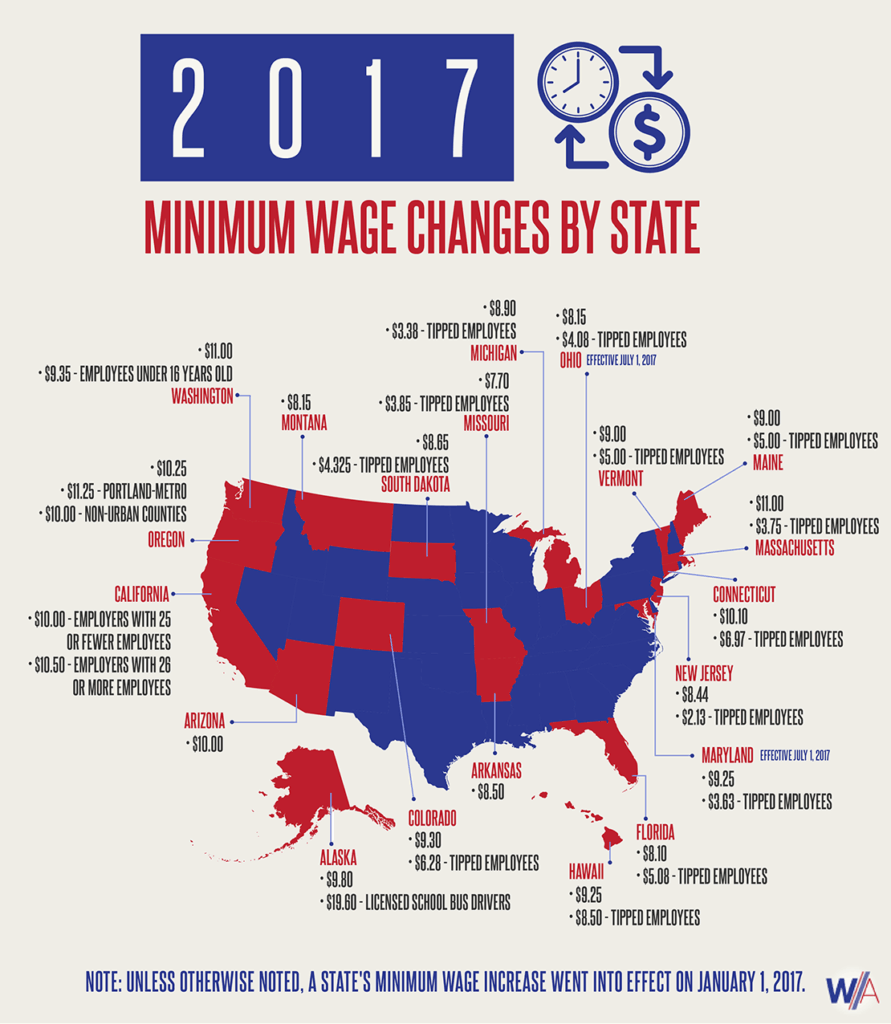
The minimum wage by state by year reflects a dynamic and often complex landscape across the United States.
While the federal government sets a baseline, individual states have the authority to establish higher wage floors, leading to significant regional variation. Over the years, many states have adjusted their minimum wages in response to rising living costs, inflation, and economic pressures. These changes impact millions of workers and employers nationwide.
Understanding the annual shifts in state-level minimum wages provides crucial insights into economic trends, labor rights, and regional disparities. This article explores how minimum wage rates have evolved across states year by year, highlighting key legislative milestones and their broader implications.
 2018 minimum wage by state
Minimum Wage by State by Year: A Comprehensive Overview
The minimum wage by state by year reflects the evolving economic landscape across the United States, where labor standards are shaped by federal mandates and state-level legislation.
While the federal minimum wage has remained at $7.25 per hour since 2009, many states have chosen to enact higher rates to address rising cost of living and advocate for fair worker compensation. This dynamic results in significant variation from state to state, with some states adjusting their rates annually based on inflation or cost-of-living indices.
Understanding these fluctuations is crucial for employers, employees, and policymakers, as it influences employment trends, business operations, and economic equity nationwide. Over recent years, momentum has grown toward $15 minimum wage initiatives in several states, further emphasizing the importance of monitoring yearly changes in wage legislation.
State Variations in Minimum Wage Rates
Minimum wage rates across U.S. states vary widely due to differing economic conditions, political climates, and labor market needs.
 2019 minimum wage by state
As of 2024, states like California and Washington lead the nation with minimum wages exceeding $16 per hour, while others such as Georgia and Wyoming technically allow a rate as low as $5.15—though most employers in these states still follow the higher federal standard of $7.25. The key driver behind state-level increases is often voter initiatives, legislative action, or pressure from labor advocacy groups.
States without a state minimum wage law default to the federal rate, but most states have adopted their own standards, creating a complex mosaic of wage floors. These differences underscore the importance of local economic context in determining fair pay.
Annual Adjustments and Indexing to Inflation
Many states implement automatic annual adjustments to their minimum wage based on inflation or changes in the consumer price index (CPI), a practice known as indexing. This mechanism ensures that the purchasing power of low-wage workers does not erode over time due to rising prices.
For example, Colorado, Oregon, and Florida adjust their wages each January based on inflation data from the previous year. Indexing promotes economic predictability for both workers and businesses, eliminating the need for annual legislative debates to raise wages.
 2021 minimum wage by state
However, not all states use this system—some, like Texas and Mississippi, lack any minimum wage increase protocols, leaving workers vulnerable to stagnant wages despite increasing living costs. This contrast highlights disparities in worker protections across the country.
Recent Trends and Movement Toward $15 Minimum Wage
In recent years, the push for a $15 minimum wage has gained significant traction across several states and major cities as part of broader efforts to combat income inequality and support working families.
States such as New York, California, and Illinois have passed legislation to gradually phase in a $15 hourly wage, with specific timelines based on employer size and geographic location. Some cities, including Seattle and Los Angeles, have already reached or surpassed this benchmark.
While proponents argue that higher wages reduce poverty and boost consumer spending, critics express concerns about potential job losses or increased costs for small businesses. Regardless of the debate, the trajectory toward higher wages reflects a national shift in values around labor rights and economic justice.
 2023 minimum wage by state
| State | 2022 Minimum Wage ($) | 2023 Minimum Wage ($) | 2024 Minimum Wage ($) | Notes |
|---|---|---|---|---|
| California | 15.00 | 15.50 | 16.00 | Minimum wage adjusted for businesses with 26+ employees; higher in cities like San Francisco. |
| New York | 13.20–14.20 | 14.20–15.00 | 15.00–16.00 | Varies by region; New York City reached $16 in 2024. |
| Texas | 7.25 | 7.25 | 7.25 | Follows federal minimum wage; no state increase enacted. |
| Washington | 14.49 | 15.74 | 16.28 | Indexed annually to inflation; one of the highest in the nation. |
| Florida | 10.00 | 11.00 | 12.00 | On path to $15 by 2026 via voter-approved ballot initiative. |
Frequently Asked Questions
What is the minimum wage by state by year?
The minimum wage by state by year refers to the hourly pay rate set by each U.S. state, which can differ from the federal minimum wage and often changes annually.
States may adjust their rates based on cost of living, inflation, or legislation. Some states follow the federal rate of $7.25, while others have higher rates. Employers must pay the higher of the two when state and federal wages differ.
How can I find the minimum wage for a specific state and year?
You can find the minimum wage for any U.S. state and year by visiting official government websites like the U.S. Department of Labor, labor law resources, or state labor department sites.
Many online databases and tools also track historical and current wage data by state. Always verify the information with a reliable source to ensure accuracy for legal or employment purposes.
 Minimum wage by state us
Why do minimum wages vary by state and change over time?
Minimum wages vary by state due to differences in cost of living, economic conditions, and state-specific labor laws. States have the authority to set wages above the federal level.
Rates change over time through legislative action, voter initiatives, or automatic adjustments tied to inflation. These changes aim to help workers keep up with rising living expenses in their local areas.
Does the federal minimum wage apply if a state’s rate is lower?
Yes, if a state’s minimum wage is lower than the federal rate—or has no minimum wage law—employees are entitled to the higher federal minimum wage of $7.25 per hour. The Fair Labor Standards Act (FLSA) ensures workers receive the most favorable rate when multiple wage laws apply, meaning employers must follow whichever standard offers greater pay.
Leave a Reply