
Where do i report unsafe working conditions

Workers have the right to a safe and healthy workplace, but hazards can still arise across various industries. Recognizing unsafe working conditions is the first step, but knowing where to report them is crucial for protection and change.
Whether facing inadequate equipment, poor ventilation, exposure to toxic substances, or lack of emergency procedures, employees need clear guidance on reporting protocols.
In the United States, the Occupational Safety and Health Administration (OSHA) is the primary federal agency responsible for enforcing workplace safety standards. Reporting unsafe conditions can help prevent accidents, protect coworkers, and ensure employers comply with regulations designed to safeguard employee well-being.
 Who do i report unsafe working conditions to
Where and How to Report Unsafe Working Conditions
Unsafe working conditions pose serious risks to employee health and safety, but workers have clear rights and multiple avenues to report such hazards. In the United States, the primary agency responsible for enforcing workplace safety standards is the Occupational Safety and Health Administration (OSHA).
Employees or their representatives can file a complaint online, by phone, by mail, or in person at an OSHA office. Complaints can be filed anonymously, and OSHA provides protections against retaliation for workers who speak up about unsafe conditions.
Employers are legally required to maintain a safe work environment, and reporting through official channels ensures that inspections can be conducted and corrective actions taken. It's important to document hazards with photos, notes, or witness statements when possible to support the complaint.
Reporting to OSHA: The Primary Channel
The most effective and widely recognized way to report unsafe working conditions is through OSHA. Workers can visit the OSHA website to submit a complaint, which triggers an evaluation process.
 Who do you report unsafe working conditions to
Depending on the severity, OSHA may conduct an on-site inspection or issue a written request for information from the employer. Complaints involving imminent dangers—such as exposure to toxic chemicals or risk of fall from heights—are prioritized.
Employees do not need to provide their name to file a complaint, but doing so can help OSHA follow up more effectively. The agency also offers resources in multiple languages to ensure accessibility, and it investigates claims within a structured timeframe to ensure accountability.
Using Internal Company Procedures
Many organizations have internal reporting systems, such as a safety officer, human resources department, or anonymous hotline, to address workplace hazards.
Reporting through internal channels should be the first step—when safe to do so—because many companies are equipped to respond quickly to identified risks. Employees should review their company's employee handbook or safety policy to understand proper reporting protocols.
 Who to report unsafe working conditions
While internal reporting is valuable, it may not always lead to corrective actions, especially in environments where management disregards safety. In such cases, escalation to OSHA or another regulatory body is necessary to ensure worker protection.
Alternative Reporting Agencies and Unions
In certain industries, other federal or state agencies oversee workplace safety. For example, Mine Safety and Health Administration (MSHA) handles hazardous conditions in mining operations, while the Department of Transportation (DOT) regulates safety in transportation sectors.
Workers in unionized environments can also report unsafe conditions through their union representative, who can initiate formal grievances or request inspections.
State-level labor departments may offer additional reporting options, especially in states with OSHA-approved state plans that provide equal or greater protections. Utilizing these alternative pathways ensures that industry-specific risks are addressed by the appropriate authority.
 How do you report unsafe working conditions
| Reporting Method | When to Use | Key Benefit |
|---|---|---|
| OSHA Complaint | Severe hazards or lack of internal action | Federal enforcement and anti-retaliation protection |
| Company Safety Officer | Minor or correctable issues | Fast internal resolution |
| Union Representative | Unionized workplaces with recurring issues | Collective bargaining support |
| State Labor Department | Working in a state with its own OSHA plan | Localized enforcement and bilingual services |
How to Report Unsafe Working Conditions: A Step-by-Step Guide
Where can I report unsafe working conditions in my workplace?
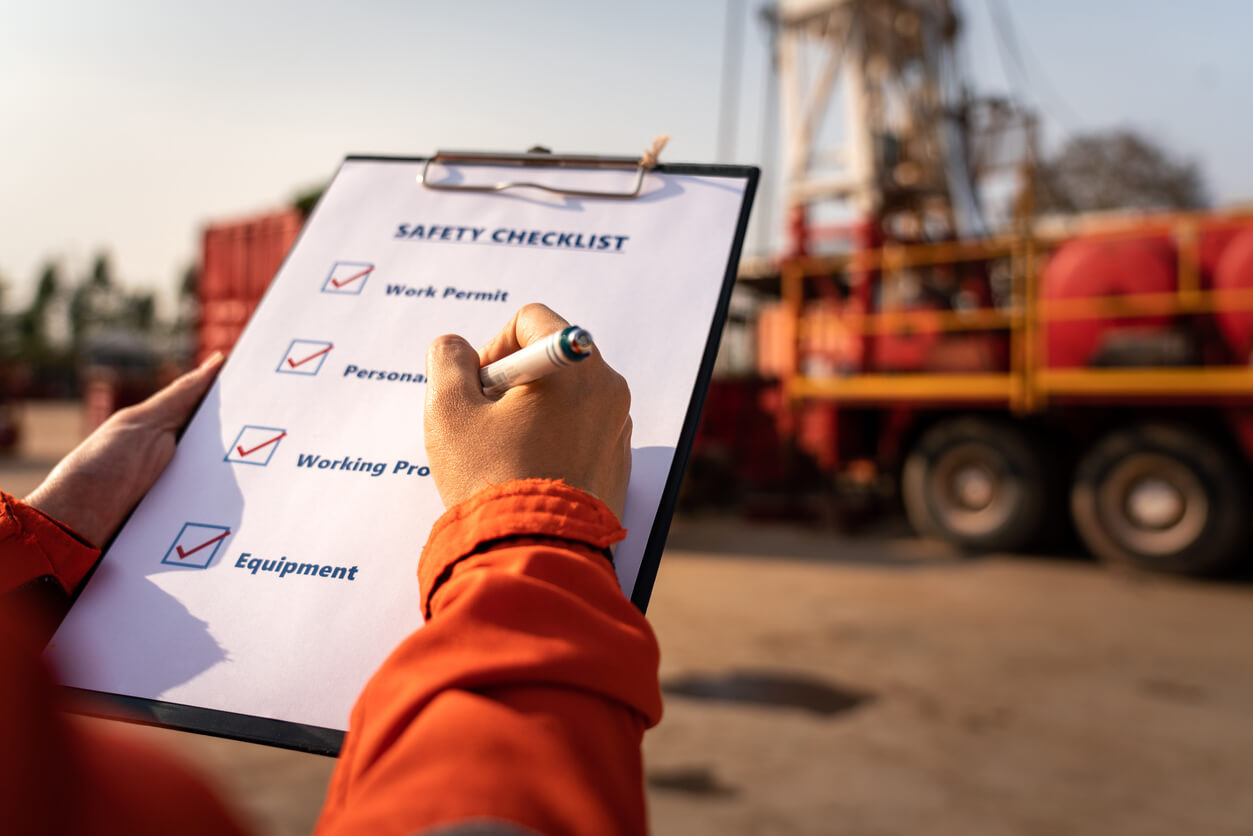
Reporting Unsafe Working Conditions to Government Agencies
- The most effective way to report unsafe working conditions in the United States is by contacting the Occupational Safety and Health Administration (OSHA). OSHA enforces workplace safety laws and offers multiple reporting options, including online forms, phone calls, and written submissions. Employees or their representatives can file a complaint if they believe hazardous conditions exist at their job site.
- When filing with OSHA, you have the right to request confidentiality so your employer does not learn your identity. OSHA will review the complaint and may conduct an on-site inspection, especially if the reported hazard could cause serious harm or death. It's important to include specific details such as the nature of the hazard, location, and any previous attempts to resolve the issue.
- Workers in federal agencies or unionized workplaces can also file through designated safety representatives. OSHA provides protections against retaliation, meaning employers cannot legally fire, demote, or otherwise punish employees for reporting safety concerns in good faith.
Contacting State or Local Occupational Safety Programs
- In addition to federal OSHA, many U.S. states operate their own occupational safety and health programs approved by OSHA. These state-run programs, like Cal/OSHA in California or MOSH in Maryland, cover the same types of hazards and often provide faster response times or additional protections beyond federal standards.
- Workers should check whether their state operates under a state plan by visiting OSHA’s website. If so, reports must typically be submitted directly to the state agency rather than the federal office. These agencies accept complaints in similar ways—via phone, online portal, or fax—and conduct investigations with comparable authority.
- Some local municipalities also have departments or hotlines for reporting unsafe conditions, particularly in industries like construction or sanitation. While not always equipped to conduct full investigations, local agencies may coordinate with state or federal bodies to address urgent safety issues.
Reporting Internally Through Employer or Union Channels
- Before or alongside external reporting, employees can raise safety concerns through internal workplace procedures. Most companies have a designated health and safety officer or committee responsible for addressing reported hazards. Submitting a written report ensures there is a formal record of the issue.
- Unionized workers can contact their union representative to file a grievance or request an immediate inspection. Unions often have strong leverage to press employers for quick corrective action and can provide legal and organizational support during the process.
- If management fails to respond or retaliates against the employee, internal reporting still provides documented evidence that can strengthen a later external complaint. This documentation may prove crucial if OSHA or another authority investigates potential violations or retaliation claims.
Where can I report unsafe working conditions professionally and confidentially?
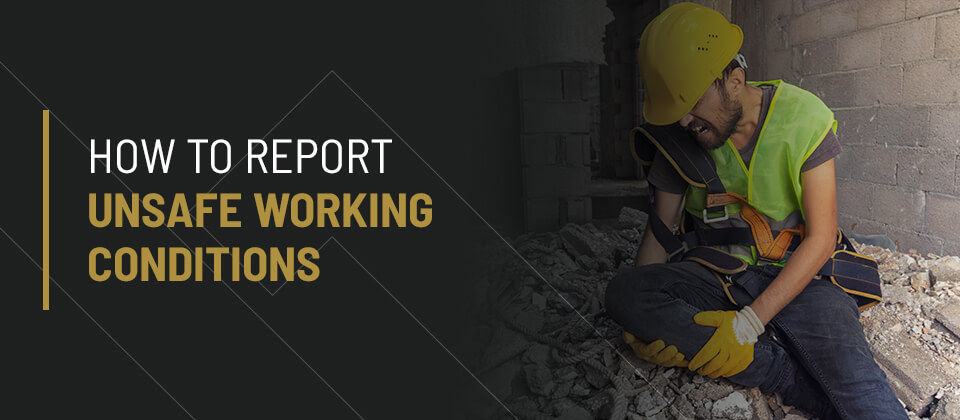
Reporting to Government Regulatory Agencies
If you encounter unsafe working conditions, one of the most effective and protected methods is to report them to a government regulatory agency.
These agencies are designed to enforce workplace safety standards and investigate complaints without revealing the identity of the complainant when requested. In the United States, the Occupational Safety and Health Administration (OSHA) allows employees or their representatives to file a confidential complaint online, by phone, or by mail.
 Report unsafe working conditions osha
The agency prohibits retaliation against workers who report hazards. Your report triggers an inspection if deemed valid, and OSHA can issue citations and require corrective actions from the employer.
- Visit the OSHA website or call your regional OSHA office to submit a formal complaint; you can request anonymity during the process.
- Provide specific details such as the nature of the hazard, location, equipment involved, and any past incidents to support your claim.
- OSHA will review your complaint and may conduct an on-site or off-site inspection, with follow-up procedures to ensure compliance.
Using Internal Company Reporting Channels
Many organizations have internal protocols designed to address workplace safety concerns before escalating externally. These internal reporting systems are often confidential and aim to resolve issues quickly while protecting employees from retaliation. You can typically report unsafe conditions to your supervisor, human resources department, or through a dedicated safety officer or hotline.
Ethical and transparent companies encourage reporting by ensuring confidentiality and non-retaliation policies are enforced. However, if internal reporting fails or risks your safety, moving to an external agency is advisable.
- Review your company’s employee handbook or safety manual to understand proper reporting procedures and designated personnel.
- Document your concerns in writing when possible, including dates, times, and descriptions of unsafe conditions, to create a verifiable record.
- Submit your report through official internal channels such as a safety hotline, email, or HR portal, noting whether you requested confidentiality.
Reporting Through Whistleblower Programs and Third-Party Platforms
In situations where both external and internal routes present risks, whistleblower programs and third-party reporting platforms offer secure and anonymous options. Various industries have specialized oversight bodies or non-governmental organizations that protect worker identities while investigating misconduct.
Additionally, digital platforms with encryption and anonymity features allow secure submission of evidence. These channels are particularly useful for employees in high-risk sectors like construction, healthcare, or manufacturing, where retaliation risks are higher.
- Identify industry-specific whistleblower programs such as those managed by the Mine Safety and Health Administration (MSHA) or environmental protection agencies.
- Use secure reporting platforms like EthicsPoint or government-sponsored portals that use encryption to protect your identity and communications.
- Include supporting evidence such as photos, logs, or witness accounts to strengthen your report, while maintaining your anonymity through secure file-sharing methods.
Frequently Asked Questions
Where can I report unsafe working conditions in the United States?
You can report unsafe working conditions to the Occupational Safety and Health Administration (OSHA). Visit OSHA's website or call their hotline at 1-800-321-OSHA (6742) to file a complaint. Reports can be made anonymously, and employers are prohibited from retaliating against employees who report hazards. OSHA will review your complaint and may conduct an inspection to ensure workplace safety standards are met.
Can I report unsafe working conditions anonymously?
Yes, you can report unsafe working conditions anonymously to OSHA. When filing a complaint, request that your identity be kept confidential. OSHA protects your right to report without fear of retaliation.
While signed complaints are more likely to trigger an inspection, anonymous reports are still reviewed and may lead to investigations, especially if the hazard appears serious or imminent.
What information should I include when reporting unsafe working conditions?
When reporting unsafe conditions, include specific details such as the company name, address, type of hazard (e.g., chemical exposure, faulty equipment), and any related incidents or injuries.
If possible, provide photos or witness statements. Be clear and factual. This information helps OSHA assess the risk level and determine whether an inspection is necessary to protect worker safety.
What happens after I report unsafe working conditions?
After you file a report, OSHA reviews the complaint to determine its severity. They may contact the employer, conduct an on-site inspection, or request written responses. If violations are found, OSHA can issue citations and require corrections. You will be informed of the outcome. Employers cannot retaliate against you for filing a legitimate safety complaint.
Leave a Reply