
Percent of construction workers undocumented
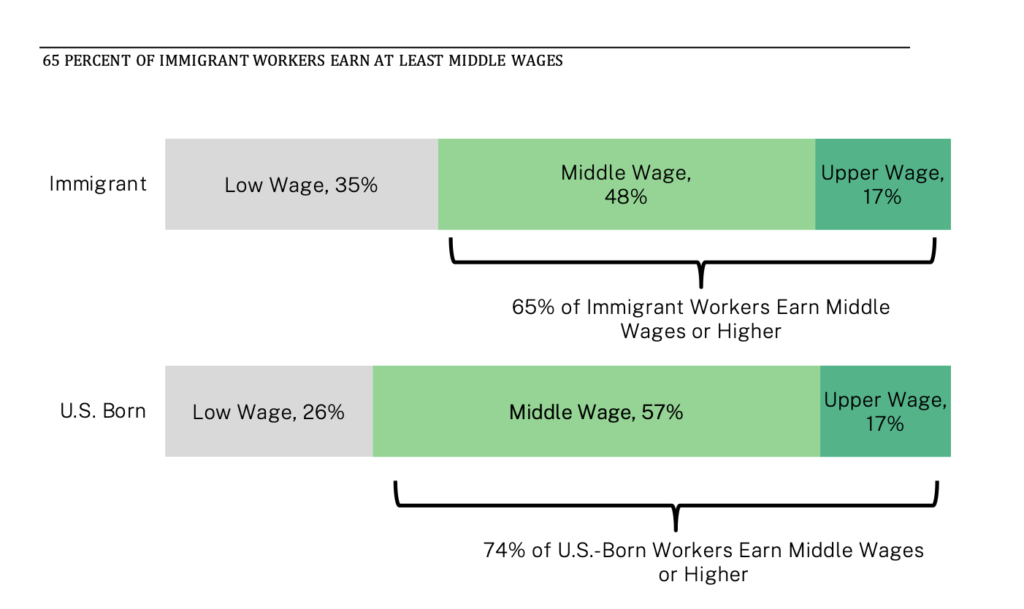
The construction industry in the United States has long relied on a diverse workforce, with a significant portion reportedly consisting of undocumented workers.
While precise figures vary, studies suggest that between 10% and 20% of construction laborers may lack legal immigration status. This presence reflects broader trends in labor demand, where shortages of native-born workers and the physically demanding nature of the job create opportunities for undocumented immigrants seeking employment.
These workers often take on essential but low-wage roles, contributing to infrastructure and development while facing risks related to job security, wages, and legal protections. The issue remains a focal point in debates over immigration policy, labor rights, and the future of the construction sector.
 Employment for undocumented workers
Undocumented Workers in the U.S. Construction Industry: Assessing Their Prevalence and Impact
The construction industry in the United States has long relied on a diverse labor force, a significant portion of which includes undocumented immigrants. While exact figures are difficult to pinpoint due to the informal and often unreported nature of such employment, studies and estimates suggest that approximately 15% to 20% of construction workers in the U.S. may be undocumented.
This percentage can vary significantly by region, with higher concentrations observed in states such as California, Texas, and Florida, where construction booms and labor demands are more pronounced. These workers often take on physically demanding jobs that may be difficult to fill with the domestic workforce, particularly in sectors like residential remodeling, framing, and labor-intensive site preparation.
Their presence supports lower labor costs and helps keep large-scale development projects moving, but it also raises important questions about workplace safety, fair wages, and legal compliance. Federal and state enforcement policies, along with immigration reform debates, continue to shape the environment in which these workers operate.
Estimating the Number of Undocumented Construction Workers in the U.S.
Estimates on the share of undocumented workers in construction are primarily derived from federal surveys, academic studies, and data extrapolations from the Department of Homeland Security and the Pew Research Center.
 Employment of undocumented workers
A widely cited analysis by the Pew Research Center indicates that about 7% of undocumented workers in the U.S. are employed in construction, translating into hundreds of thousands of individuals nationwide.
However, this number may underrepresent the true figure, as many undocumented workers are not captured in official surveys. Alternative studies, including those conducted by the Center for Immigration Studies (CIS), suggest that up to 1 in 5 construction laborers could be undocumented, particularly in key metropolitan areas.
These workers are more likely to be found in sub-contracting roles, especially in residential and small-scale commercial building projects, where oversight may be limited and cash payments more common, increasing their invisibility in official statistics.
Geographic and Sector-Specific Variations in Undocumented Labor
The presence of undocumented workers in construction is not evenly distributed across the U.S. States with large immigrant populations and high construction activity—such as California, Texas, Arizona, and Florida—report significantly higher proportions of undocumented labor in the industry.
 Exploitation of undocumented workers
For example, in California, it's estimated that 30% or more of construction laborers may lack legal work authorization, especially in urban centers like Los Angeles and San Diego. Similarly, in the Gulf Coast region, post-hurricane rebuilding efforts have historically drawn temporary undocumented labor.
The type of construction work also influences these patterns: sectors like residential framing, landscaping, and demolition often rely more heavily on undocumented workers compared to highly regulated or public-sector projects, which require background checks and employment verification through systems like E-Verify. This spatial and occupational segmentation reflects both economic demand and gaps in workforce availability.
The reliance on undocumented workers in construction presents a complex mix of economic benefits and ethical challenges. On one hand, these workers help maintain competitive labor costs and support the rapid pace of development essential to the U.S. economy.
On the other hand, their undocumented status often leaves them vulnerable to exploitation, wage theft, and unsafe working conditions, as many fear reporting abuses due to risk of deportation.
 Filing taxes for undocumented workers
Employers who hire undocumented workers may face legal penalties, yet enforcement remains inconsistent. Moreover, the shadow economy created by under-the-table employment undermines tax revenues and distorts competition among contractors.
Policies like E-Verify mandate in certain states aim to reduce illegal hiring, but exemptions and loopholes persist. Ultimately, the systemic dependence on undocumented labor underscores the need for broader immigration reform and labor policy modernization to create legal pathways for workers while ensuring standards and equity in the construction sector.
| Category | Estimated Percentage | Key States with High Concentrations | Primary Jobs Held |
|---|---|---|---|
| Overall U.S. Construction Workforce | 15% – 20% | California, Texas, Florida, Arizona | Framing, Laboring, Drywall, Roofing |
| Residential Construction Sector | 20% – 25% | Los Angeles, Houston, Miami | Remodeling, Carpentry, Handyman Services |
| Subcontractor Employees (Informal) | Up to 30% | Southwest U.S., Gulf Coast | Demolition, Landscaping, Site Prep |
Understanding the Role of Undocumented Labor in the U.S. Construction Industry
The presence of undocumented workers in the U.S. construction industry reflects a complex interplay of labor demands, economic pressures, and immigration policy.
While exact figures vary, studies estimate that between 15% and 25% of construction workers in the United States are undocumented, with higher concentrations in certain regions and sectors such as residential remodeling and small-scale contracting.
These workers often fill essential roles, particularly in physically demanding and lower-wage positions that many native-born workers avoid. Their contributions help sustain the affordability and pace of construction projects, especially in booming housing markets. However, their undocumented status creates vulnerabilities, including exploitation, lack of workplace protections, and exclusion from formal benefits.
Employers may benefit from lower labor costs, but they also face legal and ethical risks. Understanding the scale and impact of undocumented labor is crucial for policymakers, industry leaders, and labor advocates aiming to create a fairer and more sustainable construction workforce.
Estimates of Undocumented Workers in the U.S. Construction Sector
Reliable data on the percentage of undocumented construction workers comes from a combination of government reports, academic studies, and labor surveys.
The Department of Homeland Security and the Pew Research Center suggest that approximately 7% of all undocumented workers in the U.S. are employed in construction, translating to hundreds of thousands of individuals. Industry-specific analyses, however, often report higher proportions—some as high as 20–25% in states like California, Texas, and Florida.
These variations depend on regional labor markets, enforcement practices, and subcontracting trends. The underground nature of undocumented employment makes precise measurement difficult, but multiple sources agree that construction remains one of the top industries employing undocumented labor.
Regional Differences in Undocumented Construction Employment
The concentration of undocumented construction workers varies significantly across states and metropolitan areas. In border states such as Arizona, New Mexico, and Texas, the share can exceed 30% due to proximity to migration routes and high demand for low-cost labor.
Urban centers like Los Angeles, Miami, and Atlanta also report elevated levels, driven by rapid development and expansive renovation markets. In contrast, northern and Midwest states tend to have lower percentages, though pockets exist within specific trades or subcontracting networks. Regional enforcement policies, state licensing requirements, and local immigration climates also influence how visible or hidden this workforce remains.
Impact on Wages and Working Conditions
The influx of undocumented labor in construction has sparked debate over its effect on wages and job opportunities for documented workers.
Some studies indicate that in areas with high concentrations of undocumented workers, there is downward pressure on wages, particularly for unskilled and semi-skilled positions such as framing, roofing, and drywall installation. Employers may exploit the workers’ legal vulnerability to avoid paying fair wages, providing safety equipment, or complying with labor laws.
This undermines workplace standards and creates an uneven playing field for companies that follow regulations. However, others argue that undocumented workers often take jobs that go unfilled, thus enabling project completion without delays that could otherwise increase costs across the industry.
Legal and Regulatory Challenges for Employers
Contractors and subcontractors who employ undocumented workers face substantial legal risks, including fines, debarment from public projects, and criminal charges under immigration law.
The I-9 verification process is mandatory, and audits by U.S. Immigration and Customs Enforcement (ICE) can lead to severe penalties for non-compliance. Despite this, many small and medium-sized firms continue to hire informally due to labor shortages and competitive pressures.
The fragmented nature of the construction industry, with multiple layers of subcontracting, often obscures accountability, making it easier for undocumented labor to remain embedded in the system. Stronger enforcement and worker verification systems like E-Verify are proposed solutions, though they raise concerns about labor availability and increased project costs.
Pathways to Legalization and Workforce Integration
Advocates and industry groups increasingly call for immigration reforms that would provide pathways to legalization for undocumented construction workers already contributing to the economy.
Proposals include expanding guest worker programs like the H-2B visa, creating construction-specific visas, or offering legal status through registry or work history. Legalization could improve workplace safety, increase tax revenues, and empower workers to report abuses without fear of deportation.
It could also help formalize a significant portion of the shadow economy in construction. However, political gridlock and public skepticism about amnesty continue to stall comprehensive reforms, leaving many workers in limbo and the industry reliant on an unstable labor base.
Frequently Asked Questions
What percentage of construction workers are undocumented in the United States?
Approximately 15% to 20% of construction workers in the U.S. are undocumented immigrants, according to various studies and government reports. These workers are often employed in labor-intensive roles such as framing, roofing, and site cleanup. Their presence is more concentrated in regions with high construction demand and limited local labor supply, particularly in the Southwest, California, and parts of the Southeast.
Why are undocumented workers prevalent in the construction industry?
Undocumented workers are prevalent in construction due to the industry’s demand for low-cost, manual labor and frequent labor shortages. Contractors may hire them to reduce labor costs and meet tight project deadlines. Additionally, the temporary and decentralized nature of many construction jobs makes oversight more challenging, allowing some employers to circumvent immigration and employment verification rules.
Does using undocumented labor affect construction project quality or safety?
There is no direct evidence that undocumented status affects the quality or safety of construction work. Many undocumented workers are highly skilled and experienced. However, they may be less likely to report unsafe conditions due to fear of deportation, potentially increasing worksite risks. Proper training, enforcement of safety standards, and legal workforce protections benefit all workers regardless of immigration status.
How do immigration policies impact the construction workforce?
Immigration policies significantly affect the construction workforce by influencing labor availability. Stricter enforcement can reduce the supply of undocumented workers, leading to labor shortages and increased wages. Conversely, pathways to legal status or guest worker programs could stabilize the workforce. Industry leaders often advocate for immigration reform to ensure a reliable, lawful labor pool while maintaining competitive project costs.
Leave a Reply