
Filing taxes for undocumented workers

Filing taxes as an undocumented worker presents unique challenges and complexities within the U.S. tax system. Despite immigration status, individuals are often required or choose to file tax returns, particularly if they have earned income. Many use an Individual Taxpayer Identification Number (ITIN) to comply with federal tax laws.
While they may not qualify for certain benefits, paying taxes can demonstrate financial responsibility and contribute to broader economic participation. Understanding eligibility, documentation requirements, and available resources is crucial. This article explores the process, rights, and implications for undocumented workers navigating tax season in the United States.
Filing Taxes for Undocumented Workers: Understanding Your Rights and Responsibilities
Many undocumented workers in the United States are required to file income taxes even if they are not authorized to work legally. The Internal Revenue Service (IRS) considers income tax filing a civic duty separate from immigration status. In fact, the IRS allows individuals without a Social Security Number (SSN) to obtain an Individual Taxpayer Identification Number (ITIN) to ensure compliance with tax laws.
 How much in taxes do undocumented workers pay
Filing taxes provides benefits such as building a record of presence, contributing to Social Security, and qualifying for certain financial opportunities. Despite common misconceptions, complying with tax obligations does not alert immigration enforcement agencies under standard IRS privacy rules, although caution and legal guidance are recommended.
Legal Obligations for Undocumented Workers to Pay Taxes
Undocumented workers who earn income in the U.S. are legally required to report that income to the IRS, regardless of immigration status. The federal tax system is based on income, not citizenship or legal residency. Many undocumented individuals work using false Social Security Numbers or without any identification number at all, but the IRS acknowledges this reality by offering the Individual Taxpayer Identification Number (ITIN) as a compliant alternative. Employers may withhold taxes from wages, and workers are still responsible for filing a return—especially if they want to claim a refund. By filing taxes, undocumented workers contribute to federal revenue and help strengthen the economy, even if they are not authorized to be employed.
How to Obtain an ITIN and File a Tax Return
To file taxes without a Social Security Number, undocumented workers must apply for an ITIN using Form W-7 provided by the IRS. This number is issued regardless of immigration status and is solely for tax processing. Applicants must submit original documents, such as a passport or national ID, either by mail, in person at an IRS Taxpayer Assistance Center, or through an IRS-authorized Acceptance Agent.
Once an ITIN is issued, the individual can file a federal tax return using Form 1040 and report all sources of income. It's essential to keep records of filing, as consistent tax reporting can support future immigration applications that value “good moral character,” such as certain visas or legalization programs.
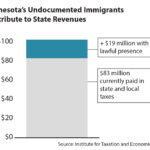 How much taxes do undocumented workers pay
Benefits and Protections of Filing Taxes as an Undocumented Worker
Filing taxes offers practical and legal advantages beyond compliance. Many undocumented workers who file with an ITIN qualify for the Child Tax Credit (CTC) or, when available, the Additional Child Tax Credit for their U.S. citizen children. In some states, tax filing helps access financial services, such as opening bank accounts or qualifying for loans.
Furthermore, the IRS protects taxpayer information under Section 6103 of the Internal Revenue Code, meaning it generally cannot share tax return details with immigration enforcement agencies like ICE. This legal firewall encourages participation in the tax system and supports broader economic inclusion.
| Aspect | Details |
|---|---|
| ITIN Availability | Available to anyone not eligible for an SSN, including undocumented immigrants, foreign nationals, and dependents. |
| Filing Requirement | Individuals with gross income over IRS thresholds must file, regardless of immigration status. |
| Common Tax Forms | Form 1040 with W-2 or 1099 income reported; Form W-7 to apply for an ITIN. |
| Tax Benefits Accessible | May qualify for the Child Tax Credit and, occasionally, state-level benefits. |
| Data Privacy | IRS is prohibited from sharing taxpayer data with DHS or ICE under standard circumstances. |
Understanding Tax Obligations for Undocumented Workers in the U.S.
Undocumented workers in the United States are required by law to report their income and file taxes, even if they do not have a Social Security Number (SSN).
The Internal Revenue Service (IRS) recognizes that undocumented individuals contribute billions of dollars annually to federal and state tax systems through ITINs (Individual Taxpayer Identification Numbers), which are issued specifically for this purpose. Filing taxes helps build a record of residency and financial responsibility, which may support future immigration applications or benefits.
 How many agricultural workers in the us are undocumented
Moreover, compliance with tax laws allows individuals to potentially claim tax refunds, especially through credits like the Child Tax Credit if they have qualifying dependents. It is crucial to understand that the IRS does not share taxpayer information with immigration enforcement agencies, ensuring a level of confidentiality and protection for filers regardless of immigration status.
What Is an ITIN and How to Apply for One
An ITIN (Individual Taxpayer Identification Number) is a tax processing number issued by the IRS to individuals who are not eligible for a Social Security Number but are required to file taxes.
To apply, applicants must complete Form W-7 and provide original identification documents or certified copies from issuing agencies, such as a passport or national ID card. The IRS accepts applications through in-person authorizing agents, by mail, or at designated IRS events.
Once issued, an ITIN allows an undocumented worker to legally report income and comply with U.S. tax laws, and it remains valid indefinitely unless not used on a tax return for three consecutive years.
Can Undocumented Workers Claim Tax Refunds?
Yes, undocumented workers who file taxes using an ITIN may be eligible for certain tax refunds or credits, depending on their situation. While they cannot claim the Earned Income Tax Credit (EITC) unless they have a valid SSN, they may qualify for the Child Tax Credit (CTC) if they have a dependent child with a Social Security Number.
This has allowed thousands of mixed-status families to receive financial benefits through tax refunds each year. Filing a return is the only way to claim any overpaid payroll taxes or refundable credits, reinforcing the importance of compliance even for those without legal status.
Tax Filing Requirements and Deadlines for All Workers
All individuals earning income in the U.S., regardless of immigration status, are subject to federal income tax obligations if their earnings meet certain thresholds. For 2024, a single filer under age 65 must file if their income exceeds $13,850, though lower thresholds may apply for self-employed individuals based on net earnings.
The annual tax deadline is typically April 15, but extensions can be requested using Form 4868. Meeting filing deadlines ensures compliance and helps avoid penalties or loss of potential refunds. Undocumented workers must keep accurate income records and use Form 1040 with an ITIN to meet these requirements.
Using Tax Preparation Services Safely and Legally
Undocumented workers should use reputable and trusted tax preparation services that prioritize confidentiality and accuracy. Certified Acceptance Agents (AAs), Enrolled Agents (EAs), and licensed CPAs often have experience working with ITIN applicants and understand the sensitivity of personal information.
It is important to avoid preparers who promise inflated refunds or encourage fraudulent claims. The IRS also offers Free File programs and Volunteer Income Tax Assistance (VITA) sites that provide free, accurate, and safe tax filing help, particularly beneficial for low-income and non-English-speaking taxpayers.
How Paying Taxes Can Impact Future Immigration Benefits
Consistently filing tax returns can serve as strong evidence of good moral character and community integration, which are key considerations in many immigration processes. Some immigration applications, such as U visas or DACA renewals, may require proof of tax compliance as part of demonstrating eligibility.
Additionally, maintaining a history of income reporting through legitimate tax filings can support arguments for residency, employment history, and financial stability when applying for legal status. The IRS treats tax information as confidential under Section 6103, which helps protect taxpayers from unrelated government agencies, including immigration enforcement.
Frequently Asked Questions
Can undocumented workers file taxes in the United States?
Yes, undocumented workers can file taxes in the U.S. The IRS allows individuals without a Social Security Number (SSN) to use an Individual Taxpayer Identification Number (ITIN) to file tax returns.
Filing taxes helps demonstrate compliance with U.S. laws and may support future immigration applications. Many undocumented workers pay federal, state, and local taxes and contribute to programs like Social Security, even if they don’t qualify for benefits.
How can undocumented workers obtain an ITIN?
Undocumented workers can obtain an ITIN by completing IRS Form W-7 and submitting it with required identification documents, such as a passport or national ID.
The application can be mailed to the IRS or processed through an IRS-authorized Certifying Acceptance Agent. No immigration status is required. Processing typically takes 4–6 weeks. Once issued, the ITIN allows the individual to file taxes and comply with federal tax laws.
Do undocumented workers benefit from filing taxes?
Yes, filing taxes can benefit undocumented workers in several ways. It establishes a record of residency and financial responsibility, which may help in future immigration processes like applying for residency.
It also allows eligibility for certain tax credits, such as the Child Tax Credit for families with qualifying children. Additionally, timely tax filings can strengthen credibility in legal and financial matters, demonstrating law-abiding participation in the U.S. economy.
Are there risks in filing taxes as an undocumented worker?
Filing taxes with an ITIN carries minimal direct risk because the IRS protects taxpayer confidentiality under Section 6103 of the Internal Revenue Code. This means the IRS generally cannot share taxpayer information with immigration enforcement agencies.
However, individuals should consult trusted tax professionals to ensure accurate filings. Using false information or fraudulently claiming benefits can lead to penalties. Honest tax filing promotes transparency without increasing deportation risk.
Leave a Reply