
Minimum wage vs living wage by state
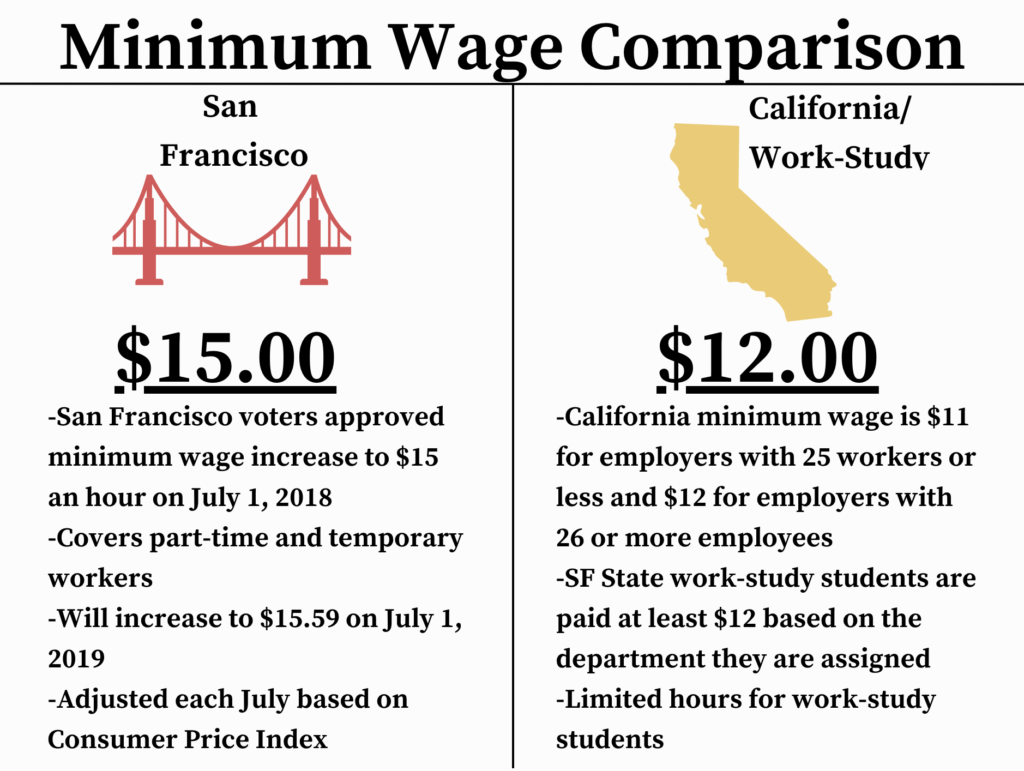
The debate between minimum wage and living wage in the United States varies significantly from state to state, reflecting differing costs of living and economic conditions. While the federal minimum wage remains at $7.25 per hour, many states have established higher minimums to better meet basic needs.
However, even these adjusted rates often fall short of a true living wage—the income required to cover housing, food, healthcare, transportation, and other essentials without state or federal assistance. This discrepancy highlights growing concerns about economic inequality and the ability of low-wage workers to afford a decent standard of living across different regions.
Minimum Wage vs Living Wage by State: Understanding the Gap Across the U.S.
The disparity between the minimum wage and the living wage varies significantly from state to state across the United States, reflecting differences in cost of living, housing prices, and local economic conditions. While the federal minimum wage remains stagnant at $7.25 per hour since 2009, many states have enacted their own higher minimum wage laws to better align with local economic realities.
 Minimum living wage by state
However, even in states with elevated minimum wages, workers often find that their earnings still fall short of a true living wage—the hourly income required to cover basic needs such as housing, food, healthcare, transportation, and childcare without public or family assistance.
This growing wage gap disproportionately affects low-income workers, particularly in high-cost urban areas where rent and utilities consume a large portion of household budgets. Understanding this contrast is crucial for policymakers, employers, and advocates aiming to promote economic equity and financial stability for working families nationwide.
What Is the Difference Between Minimum Wage and Living Wage?
The minimum wage is the lowest hourly pay that employers are legally required to provide, set either by federal, state, or local law. In contrast, the living wage is an estimate of the hourly earnings a worker needs to afford a modest but decent standard of living, covering essential expenses like housing, food, healthcare, transportation, and taxes, without relying on public assistance programs.
While the federal minimum wage is $7.25, the living wage in most states is significantly higher—often more than double—due to rising costs, particularly in urban areas.
 Minimum wage vs cost of living by state
For instance, in California or New York, the local living wage may exceed $20 per hour, whereas the state minimum wage, though higher than the federal rate, still may not fully meet that threshold. This distinction highlights that being paid the legal minimum does not necessarily equate to economic sustainability.
How State Laws Influence Wage Disparities
State legislation plays a critical role in shaping the gap between minimum wage and living wage. As of 2024, 30 states and the District of Columbia have minimum wages above the federal baseline, with states like Washington ($16.28 in 2024) and California ($16.00 for all employers) leading the nation.
However, even these higher rates may fall short in high-cost metropolitan regions within those states. For example, while California’s minimum wage is comparatively high, the living wage in Los Angeles or San Francisco can surpass $25 per hour due to skyrocketing housing costs.
Conversely, states like Alabama and Mississippi have no state minimum wage law, defaulting to the federal $7.25—well below the living wage in those areas. These discrepancies emphasize how regional economic conditions often outpace legislative action, leaving many workers in a constant state of financial shortfall.
 Tampa workers compensation laywer
State-by-State Comparison of Minimum and Living Wages
The following table illustrates the stark contrast between state minimum wages and estimated living wages for a single adult with no children, based on data from the U.S. Department of Labor and the Massachusetts Institute of Technology’s (MIT) Living Wage Calculator (2024 estimates). These figures highlight how even in states with relatively high minimum wages, the living wage often remains out of reach.
| State | Minimum Wage (2024) | Living Wage (Single Adult) | Difference ($) |
|---|---|---|---|
| California | $16.00 | $20.75 | $4.75 |
| New York | $15.00 – $16.00 | $19.90 | $3.90 – $4.90 |
| Texas | $7.25 (federal) | $14.15 | $6.90 |
| Florida | $12.00 | $15.85 | $3.85 |
| Mississippi | $7.25 (federal) | $13.70 | $6.45 |
| Washington | $16.28 | $19.60 | $3.32 |
This data underscores that in every listed state, the living wage exceeds the minimum wage, with gaps ranging from $3.32 to over $6. Higher minimum wages help, but they are often insufficient to achieve economic self-sufficiency, especially in areas with elevated housing and healthcare costs.
Workers in states without minimum wage laws or with wages tied to the outdated federal rate face even steeper challenges, reinforcing the need for localized wage policies that respond to actual living expenses.
Frequently Asked Questions
What is the difference between minimum wage and living wage by state?
The minimum wage is the lowest hourly pay employers can legally pay workers, set by federal or state law. The living wage is the estimated hourly rate needed to cover basic living expenses like housing, food, and healthcare in a specific area. While minimum wage is mandated, the living wage is calculated based on local costs and typically exceeds the legal minimum in most states.
 Texas workers' compensation not required private employers
Which states have a living wage significantly higher than their minimum wage?
States like California, New York, and Washington have higher costs of living, so their living wages are well above their state minimum wages. For example, while California's minimum wage is $16/hour, a living wage for one adult can exceed $20/hour in major cities. High housing and healthcare costs drive this gap, making it difficult for minimum wage earners to afford basic needs without additional support.
Does the federal minimum wage meet the living wage standard in any state?
No, the federal minimum wage of $7.25/hour does not meet the living wage standard in any U.S. state. Even in states with lower costs of living, a single adult would struggle to cover basic expenses like rent, food, and transportation on this wage. Most states require significantly higher earnings—typically over $15/hour—to meet basic living standards, making the federal rate inadequate.
How is the living wage calculated for each state?
The living wage is calculated by assessing the cost of essential expenses such as housing, food, childcare, healthcare, transportation, and taxes in each state and county. These figures are adjusted for family size and updated annually. Organizations like MIT’s Living Wage Calculator use government data to determine the hourly income needed for workers to meet basic needs without public assistance.
 Top-rated law firms for workers' compensation claims in chicago
Leave a Reply