
Minimum wage rates by state
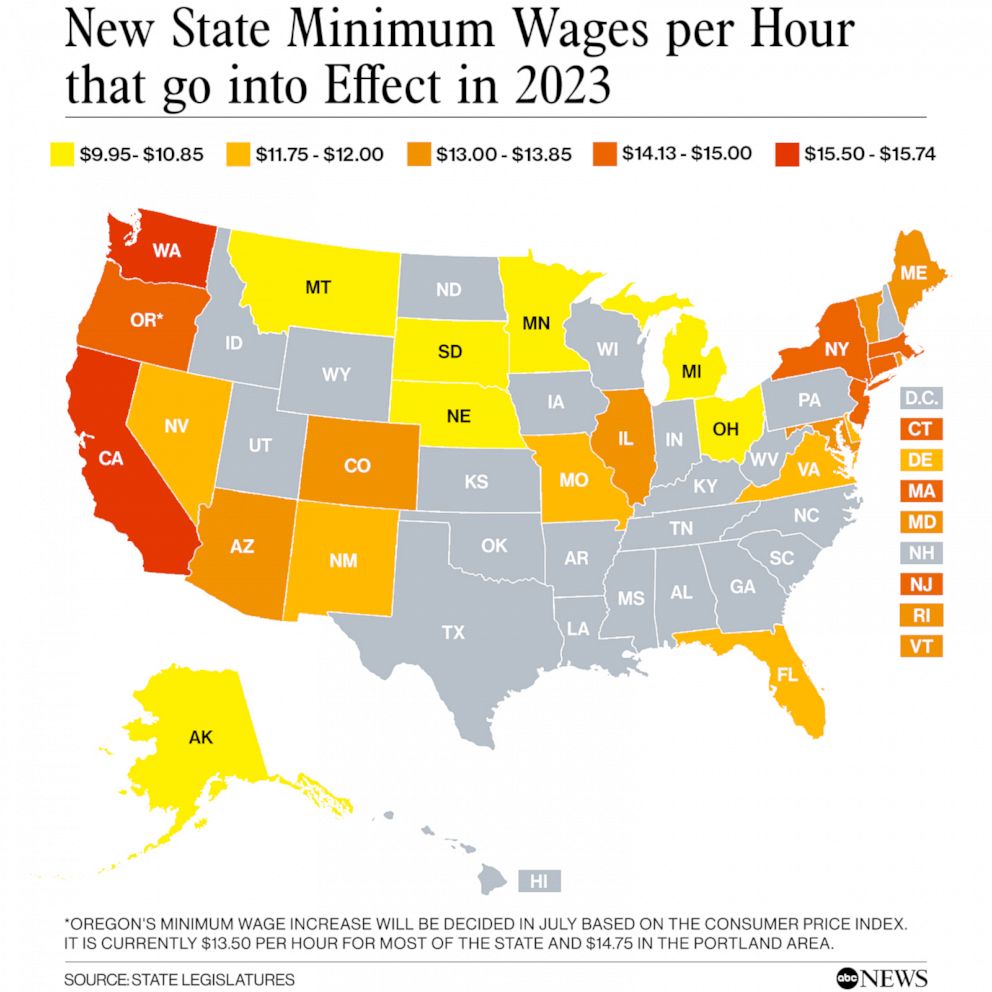
Minimum wage rates vary significantly across the United States, with each state setting its own standards, often influenced by local cost of living and economic conditions.
While the federal minimum wage remains unchanged at $7.25 per hour since 2009, more than half of the states have established higher rates to better support workers. Some states adjust their minimum wages annually based on inflation, while others have passed legislation to gradually increase wages over time.
These disparities create complex challenges for businesses operating across state lines and impact worker mobility and income equity. Understanding the current landscape of minimum wage rates by state is essential for policymakers, employers, and employees alike.
 2025 minimum wage rates by state
Minimum Wage Rates by State: A Comprehensive Overview of Earnings Standards Across the U.S.
In the United States, minimum wage rates by state vary significantly due to federal, state, and sometimes local laws that govern worker pay. While the federal government sets a baseline minimum wage, individual states and cities can, and often do, establish higher rates to reflect local economic conditions such as cost of living, inflation, and labor market dynamics.
As of 2024, 30 states and multiple U.S. territories have minimum wages above the federal rate of $7.25 per hour, a figure that has remained unchanged since 2009.
This patchwork system means workers in one state—such as California or Washington, where rates exceed $15 per hour—can earn substantially more than those in states adhering strictly to the federal floor. Understanding these variations is crucial for employers, employees, and policymakers evaluating equity, workforce mobility, and economic development across regions.
State vs. Federal Minimum Wage: How They Interact
The relationship between state and federal minimum wage laws is governed by the principle of whichever is higher being the one that applies. The Fair Labor Standards Act (FLSA) sets the federal minimum wage at $7.25 per hour, but when a state’s minimum wage is greater—as in New York ($15.00) or Massachusetts ($15.00)—employers must pay the higher state rate.
 Goose creek workers compensation attorney
In states where the minimum wage is equal to or lower than the federal rate, the federal standard applies, provided the worker is engaged in interstate commerce or works for a covered enterprise.
Some states, like Georgia and Wyoming, technically have lower state rates, but because most employers fall under federal regulations, the $7.25 floor is effectively enforced. This layered regulatory framework ensures a baseline of income protection, but also leads to disparities in worker compensation across state lines.
Cities with Local Minimum Wages: Beyond the State Level
Beyond state-imposed rates, several major cities and counties enforce local minimum wages that exceed both state and federal requirements, reflecting the elevated cost of living in urban centers.
For example, Seattle mandates a $19.97 minimum for most large employers, while San Francisco’s rate sits at $18.07, and New York City’s is $15.00. These local ordinances are particularly common in states like California, Washington, and Illinois, where municipalities have been granted the authority to set their own wage standards.
 Hospitals workers compensation
Employers operating in multiple jurisdictions must stay informed about these localized rules, as they can impact hiring decisions, operational costs, and compliance requirements. Additionally, local wage laws often include phased-in increases tied to inflation or predetermined schedules, adding complexity to long-term business planning.
Recent Changes and Trends in State Minimum Wage Rates
Across the U.S., there has been a growing trend toward incremental increases in minimum wage rates, driven by worker advocacy, legislative action, and ballot initiatives.
In 2024 alone, over 20 states implemented scheduled increases, with states like Florida moving toward a $15 target by 2026 and Minnesota introducing a tiered system based on business size. Several states, including Delaware and Rhode Island, also adopted automatic cost-of-living adjustments (COLAs) to ensure wages keep pace with inflation.
This movement reflects broader public support for living wages, particularly amid rising housing and healthcare expenses. Meanwhile, some states continue to resist increases, citing concerns about small business sustainability and potential job loss, illustrating the ongoing national debate over wage policy.
 How to file workers compensation claim psychological trauma accident
| State | Minimum Wage (2024) | Federal Minimum Override? | Planned Increases |
|---|---|---|---|
| California | $16.00 | Yes | Tied to inflation |
| Washington | $16.28 | Yes | Annual COLA adjustments |
| New York | $15.00 (NYC), $14.20 (rural) | Yes | Further regional increases possible |
| Texas | $7.25 | No (follows federal) | None scheduled |
| Florida | $12.00 | Yes | $13.00 in 2024, reaches $15 by 2026 |
| Illinois | $14.00 | Yes | $15.00 by 2025 |
| Georgia | $5.15 | No (federal $7.25 applies) | None scheduled |
| Maine | $14.15 | Yes | Inflation adjustments |
Frequently Asked Questions
What are the current minimum wage rates by state in the U.S.?
Minimum wage rates vary by state, with some following the federal rate of $7.25 per hour and others setting higher rates. As of 2024, states like California and Washington have some of the highest minimum wages, exceeding $15 per hour. Employers must comply with the higher of federal, state, or local minimum wage laws, so rates can also differ within states due to city or county regulations.
Why do minimum wage rates differ from state to state?
Minimum wage rates differ because each state can set its own wage laws based on local cost of living, economic conditions, and political decisions. While the federal government sets a baseline, states have the authority to establish higher rates. This allows jurisdictions with higher living expenses to provide workers with wages that better reflect local economic realities and support a basic standard of living.
Which states have the highest minimum wage rates?
As of 2024, Washington, California, and Massachusetts have among the highest minimum wages, all at or above $15 per hour. Washington State leads with a rate of over $16 per hour. These rates are adjusted annually for inflation in some states. High minimum wages are often found in areas with a higher cost of living, aiming to ensure workers can afford basic necessities.
Does the federal minimum wage apply if a state has no minimum wage law?
Yes, the federal minimum wage of $7.25 per hour applies in states that do not have their own minimum wage law or have rates lower than the federal standard. Employers in these states must pay at least the federal rate. However, if a state or local minimum wage is higher, that rate takes precedence, ensuring workers receive the highest applicable wage.
 How to prove employer negligence workers compensation
Leave a Reply