
Minimum wage changes 2025 by state
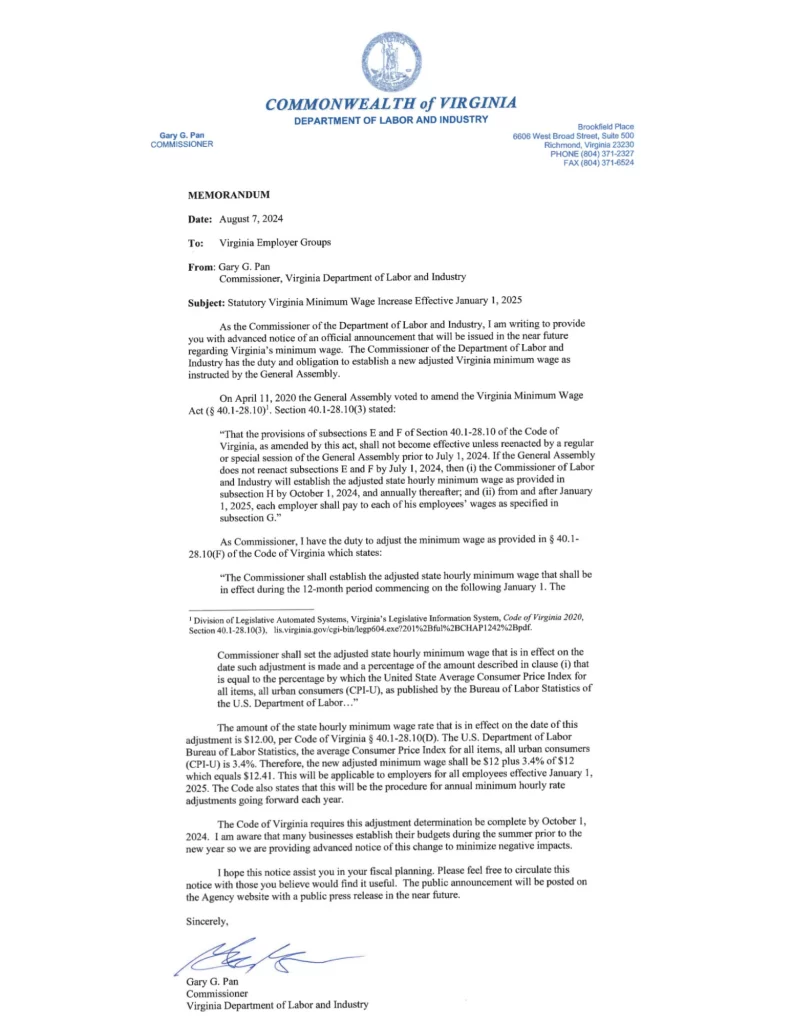
As 2025 approaches, minimum wage changes across the United States reflect a growing commitment to addressing cost-of-living challenges for workers. With economic conditions and inflation influencing policy decisions, numerous states are set to implement adjustments to their minimum wage rates.
These changes vary significantly by location, shaped by local legislation, cost of living indices, and political landscapes. While some states maintain the federal baseline, others are enacting substantial increases to support low-income earners.
This article explores the state-by-state breakdown of minimum wage changes scheduled for 2025, highlighting key trends, regional disparities, and the potential impact on businesses and employees nationwide.
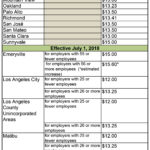 Minimum wage changes by state
Minimum Wage Changes 2025 by State: What Workers and Employers Need to Know
As the U.S. economy continues to adjust to inflationary pressures and rising living costs, numerous states are implementing or considering adjustments to their minimum wage rates effective in 2025.
These changes reflect a growing trend toward ensuring that low-wage workers can meet basic living expenses amid increasing rent, food, and healthcare costs. While the federal minimum wage has remained unchanged at $7.25 per hour since 2009, many states and localities have taken independent action to raise their wage floors.
In 2025, over half of the U.S. states are expected to have minimum wages above the federal baseline, with some states indexing their rates annually to inflation. This divergence highlights the fragmented nature of wage policy across the country, where urban areas often push for higher pay standards than rural regions.
The upcoming changes will significantly affect employers, particularly small businesses, who must prepare for increased labor costs, while employees in industries such as hospitality, retail, and food services stand to benefit from enhanced earnings.
 Truck driver workers compensation rates
States with the Highest Minimum Wages in 2025
Several states are set to lead the nation in minimum wage rates by 2025, with Washington, California, and Massachusetts expected to exceed $16 per hour.
Washington State is projected to reach a minimum wage of $16.95 per hour in 2025, driven by its annual cost-of-living adjustments based on the Consumer Price Index. Similarly, California will continue its incremental increases, with the statewide minimum rising to $16.50 for all employers, regardless of size, and even higher rates in major cities like San Francisco and Los Angeles due to local ordinances.
Massachusetts is scheduled to reach $16.00 per hour, continuing a plan approved by state lawmakers in recent years. These higher wage floors are intended to address the high cost of living, especially housing, in these regions and are often supported by strong labor advocacy groups and progressive state legislatures.
States That Maintain the Federal Minimum Wage
Despite national momentum toward higher wages, a number of states have not enacted any state-level minimum wage laws and therefore continue to adhere to the federal minimum of $7.25 per hour.
 Workers compensation advances
These states include Alabama, Louisiana, Mississippi, South Carolina, and Tennessee, among others. In these regions, employers who are covered by the Fair Labor Standards Act (FLSA) are only required to pay the federal rate unless local jurisdictions have imposed higher standards—a rare occurrence in these states.
The lack of state-level action often reflects political opposition to mandated wage increases, with arguments centering on small business impacts and regional economic competitiveness. As a result, workers in these states, particularly in low-wage sectors, may face increased financial strain, especially when compared to neighboring states with higher wage floors.
Projected Minimum Wage Increases and Indexing Policies
Many states are adopting or expanding automatic indexing policies that tie minimum wage increases to inflation, ensuring that wages keep pace with the rising cost of living.
States like Colorado, Illinois, and Florida are expected to implement annual adjustments based on the prior year’s inflation rate, leading to predictability for both businesses and employees. For example, Florida voters approved a gradual increase to $15 per hour by 2026, placing the 2025 rate at $14.00 per hour, with future increases adjusted annually.
 Workers compensation and stress
Similarly, Illinois is on track to reach $15.00 per hour in 2025, with larger cities like Chicago potentially maintaining higher rates. These indexing mechanisms reduce the need for recurring legislative battles and provide long-term wage security, while still allowing for economic fluctuations to influence wage levels.
| State | 2025 Minimum Wage | Key Notes |
|---|---|---|
| Washington | $16.95 | Annual cost-of-living adjustment; one of the highest in the nation. |
| California | $16.50 | Uniform rate for all employers; local rates may be higher. |
| Massachusetts | $16.00 | Planned increase to support living costs in urban centers. |
| Florida | $14.00 | On path to $15 by 2026; inflation-indexed thereafter. |
| Illinois | $15.00 | Reaches $15 in 2025; Chicago has separate incremental schedule. |
| Alabama | $7.25 | Follows federal minimum; no state-level increase enacted. |
| Mississippi | $7.25 | No state minimum wage law; relies on federal standard. |
Frequently Asked Questions
What Are the Projected Minimum Wage Changes by State for 2025?
Several U.S. states plan to increase their minimum wage in 2025, with exact amounts depending on local legislation and cost-of-living adjustments. States like California, Washington, and Massachusetts are expected to exceed $16 per hour, while others may see smaller incremental increases. Some states tied to inflation will adjust rates based on economic data. Employers should monitor their state labor department announcements for precise figures and compliance deadlines.
Which States Will Have the Highest Minimum Wage in 2025?
California and Washington are projected to have the highest minimum wages in 2025, likely reaching $16–$17 per hour statewide, with some cities like Seattle and Los Angeles potentially exceeding $18 due to local ordinances. Massachusetts and New York are also expected to surpass $15. These increases reflect higher living costs and legislative efforts to ensure livable wages, especially in urban areas where expenses are significantly above the national average.
Will All States Increase Their Minimum Wage in 2025?
Not all states will increase their minimum wage in 2025. States adhering to the federal minimum wage of $7.25 per hour—such as Alabama, Louisiana, and Mississippi—may not implement changes unless new legislation passes. Increases depend on state-specific laws, ballot initiatives, or inflation adjustments. States without automatic cost-of-living adjustments may require legislative action, meaning some workers could remain at the current federal rate if no new policies are adopted.
How Do Inflation and Cost of Living Affect 2025 Minimum Wage Increases?
Inflation and cost of living directly influence minimum wage adjustments in states with indexing laws. States like Oregon and Colorado use inflation data to automatically raise wages annually. As living expenses rise, these indexed increases help maintain workers’ purchasing power. For 2025, continued inflation could lead to modest hikes in such states, while areas with high housing and service costs may see larger legislative adjustments to address affordability and economic equity.
Leave a Reply