
Undocumented agricultural workers
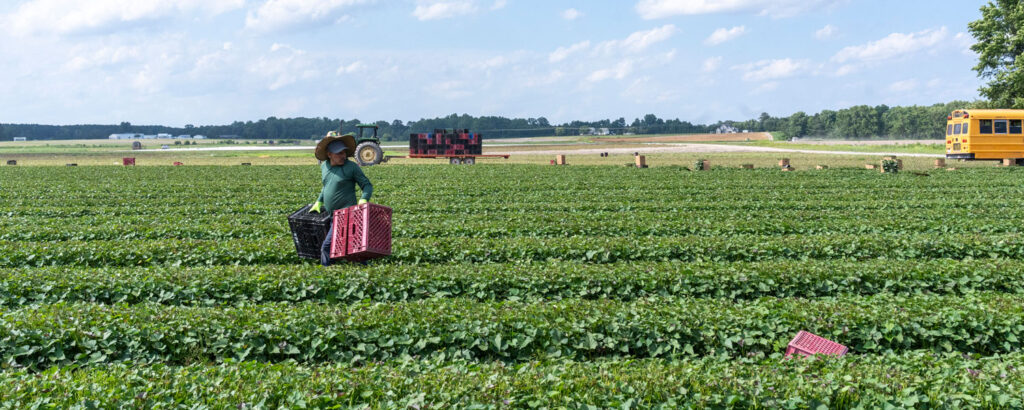
Undocumented agricultural workers play a vital role in sustaining the United States’ food supply, yet their contributions often go unrecognized.
These individuals labor in fields, orchards, and processing facilities under demanding conditions, frequently facing low wages, limited access to healthcare, and uncertain legal status. Despite their essential role in agriculture, they remain vulnerable to exploitation and deportation.
Many work long hours to support their families, both in the U.S. and abroad, sending remittances to communities in their home countries. Their situation highlights the complex intersection of immigration policy, labor rights, and food production in America.
 Employment for undocumented workers
Undocumented agricultural workers form the backbone of the United States’ agricultural industry, yet they remain largely invisible in public discourse and policy. These workers, many of whom come from Latin American countries such as Mexico, Guatemala, and Honduras, play a crucial role in planting, harvesting, and processing the food that ends up on American tables.
Despite their essential contributions, they often work under harsh conditions, with minimal labor protections, low wages, and limited access to healthcare and legal recourse. Their undocumented status makes them vulnerable to exploitation by employers, including wage theft, unsafe working environments, and fear of deportation that deters them from reporting abuses.
The reliance on undocumented labor highlights a contradiction in U.S. policy: while agriculture depends heavily on this workforce, comprehensive immigration reform that would provide legal pathways and protections remains unresolved. Recognizing their role is not only a matter of economic accuracy but also a moral imperative toward ensuring fairness and dignity in the food system.
Demographics and Origins of Undocumented Farmworkers
Undocumented agricultural workers in the United States are predominantly from rural areas in Mexico and Central America, especially from states like Oaxaca, Michoacán, and Guatemala’s highlands, where economic instability and lack of opportunity drive migration.
 Employment of undocumented workers
According to data from the U.S. Department of Agriculture and the Pew Research Center, approximately 70% of farmworkers in the U.S. are undocumented, with the majority being Spanish-speaking males between the ages of 20 and 44. A growing number, however, are women and youth, reflecting shifting migration patterns and labor demands. Many workers follow seasonal harvests across states such as California, Florida, and Washington, living in temporary or substandard housing.
Their migration is often facilitated by informal networks or smugglers, and they typically enter the U.S. without visas or overstay temporary permits. Understanding the socioeconomic backgrounds and migration routes of these workers is essential for crafting humane and effective policies that address both labor needs and human rights.
Labor Conditions and Workplace Challenges
Working conditions for undocumented agricultural laborers are frequently marked by long hours, physical strain, and inadequate safety measures.
Most work 10 to 12 hours a day, often in extreme weather conditions, and are paid per piece harvested rather than an hourly wage, which can result in earnings below the federal minimum wage. OSHA regulations are inconsistently enforced in agriculture, leaving workers exposed to pesticides, heat stress, and machinery hazards without proper training or protective equipment.
 Exploitation of undocumented workers
Because of their immigration status, many fear retaliation or deportation if they report unsafe practices or seek medical help. Additionally, housing provided by employers—when available—may lack clean water, proper ventilation, or sanitation.
Language barriers, lack of legal representation, and isolation in rural areas further compound their vulnerability. These systemic issues underscore the urgent need for stronger labor protections and oversight in the agricultural sector.
Legal Status and Pathways to Protection
Undocumented farmworkers remain in legal limbo due to the U.S. immigration system’s limited recognition of essential labor in agriculture. While federal programs like the H-2A visa allow for temporary agricultural employment, they are often criticized for being burdensome for employers and offering little long-term security or rights for workers.
The H-2A program ties workers to specific employers, which can lead to exploitation and limits their ability to change jobs or report abuses. Past legislative efforts, such as the proposed Farm Workforce Modernization Act, aim to create a pathway to legal status for undocumented farmworkers who meet certain work history requirements.
 Filing taxes for undocumented workers
If passed, such legislation could improve working conditions, increase worker retention, and stabilize the agricultural labor supply. However, political gridlock continues to stall reform, leaving millions of workers without a formal way to regularize their status despite their critical role in national food production.
| Aspect | Details | Relevance |
|---|---|---|
| Estimated Number | ~2.5 million undocumented farmworkers | Highlights scale of workforce contribution |
| Top States Employing Undocumented Workers | California, Florida, Texas, Washington | Indicates geographic concentration and regional reliance |
| Primary Crops Harvested | Fruits, vegetables, nuts, dairy | Links workers directly to high-value U.S. agricultural output |
| Net Annual Contribution to GDP | Over $35 billion (agriculture sector) | Emphasizes economic value despite lack of legal recognition |
| Key Legislative Proposal | Farm Workforce Modernization Act (pending) | Represents potential policy solution for regularization |
Undocumented agricultural workers form a critical yet often invisible part of the United States' food production system, laboring in fields, orchards, and packing plants under physically demanding conditions to harvest fruits, vegetables, and other crops.
Despite their essential role, these workers frequently operate without legal protections, face exploitative labor practices, and live with constant uncertainty due to their immigration status. Many work long hours for low wages, lack access to adequate healthcare, and reside in substandard housing, all while contributing billions to the agricultural economy.
Their presence highlights a deep contradiction in U.S. policy: reliance on their labor coexists with systemic exclusion from rights and benefits. Recognizing their contributions and addressing their vulnerabilities is vital for building a more ethical and sustainable food system.
 Fines for employers hiring undocumented workers
Challenges of Exploitation and Labor Rights Violations
Undocumented agricultural workers are especially vulnerable to labor exploitation due to fears of deportation and limited access to legal recourse.
Many employers take advantage of their status by withholding wages, imposing excessive work hours, and failing to provide basic safety equipment. Because these workers often lack union representation or knowledge of labor laws, abuses like wage theft and unsafe working conditions remain widespread.
Federal and state labor protections technically apply to all workers regardless of immigration status, but enforcement in rural and agricultural settings is weak. As a result, the culture of fear and silence allows exploitation to persist, undermining fair labor standards across the industry.
A major obstacle facing undocumented farmworkers is the lack of access to healthcare and essential social services. Due to their immigration status, they are typically excluded from public health insurance programs like Medicaid, and many cannot afford private coverage.
This leads to untreated illnesses, limited prenatal care, and increased susceptibility to occupational hazards such as pesticide exposure and heat stress.
Rural locations further complicate access, as clinics and providers are often scarce. Even when medical services are available, fear of authorities deters many from seeking help. Addressing these health disparities is crucial for ensuring the long-term well-being of this indispensable workforce.
The Impact of Immigration Enforcement Policies
Immigration enforcement actions, such as workplace raids and increased border patrols, have a chilling effect on undocumented agricultural workers and the communities where they live.
Sudden deportations disrupt farming operations and cause fear among workers, leading many to avoid reporting abuses or cooperating with labor inspections. These policies also strain relationships between farmworkers and local law enforcement, undermining public safety.
Moreover, the constant threat of detention discourages workers from accessing emergency services or even driving to work. While proponents argue enforcement upholds the rule of law, critics emphasize that disrupting this workforce jeopardizes food supply stability and deepens humanitarian concerns.
Contributions to the U.S. Agricultural Economy
Undocumented workers play a foundational role in sustaining the U.S. agricultural sector, with estimates suggesting that they comprise a significant majority of the field labor force.
Their work ensures that crops are planted, maintained, and harvested on time, directly supporting the nation’s food supply and export markets. The Department of Agriculture acknowledges that many farms would struggle to operate without this labor pool, particularly for labor-intensive crops like lettuce, strawberries, and dairy.
Economically, these workers generate billions in annual revenue, yet their contributions are rarely reflected in public discourse or policy recognition. Their absence would likely lead to higher food prices and widespread crop losses.
Pathways Toward Legalization and Labor Protection
Creating viable pathways to legalization for undocumented agricultural workers is increasingly seen as a necessary step toward fair labor practices and food system resilience.
Proposals such as the Agricultural Worker Program under the broader immigration reform framework aim to grant legal status to long-term farmworkers who meet certain criteria. Legalization would empower workers to assert their rights, reduce vulnerability to abuse, and improve working conditions across the sector.
Additionally, it could stabilize the agricultural workforce, providing farmers with more reliable labor and reducing turnover. Expanding legal protections, coupled with visa reform and support services, would acknowledge the dignity of these workers while aligning immigration policy with economic realities.
Frequently Asked Questions
Who are undocumented agricultural workers?
Undocumented agricultural workers are individuals employed in farming, harvesting, and related activities who lack legal immigration status in the United States.
They often come from countries like Mexico and Central America, working in sectors facing labor shortages. Despite their unauthorized status, they play a vital role in maintaining the nation’s food supply, often performing physically demanding jobs under challenging conditions.
What challenges do undocumented agricultural workers face?
Undocumented agricultural workers face numerous challenges, including limited access to healthcare, low wages, and unsafe working conditions. Fear of deportation prevents many from reporting abuses or seeking legal protections. They often lack access to benefits like workers’ compensation and paid leave. Language barriers and lack of legal status further isolate them, making it difficult to advocate for their rights or improve their living and working situations.
Are undocumented agricultural workers protected by labor laws?
Yes, undocumented agricultural workers are protected by many U.S. labor laws, regardless of immigration status. They are entitled to minimum wage, overtime pay, and safe working conditions under federal law. However, enforcement is often weak, and fear of deportation discourages reporting violations.
Employers who exploit their status may violate labor laws, but legal protections technically still apply to all workers, documented or not.
What would happen to U.S. agriculture without undocumented workers?
U.S. agriculture would face severe labor shortages without undocumented workers, who make up a significant portion of the farm workforce.
Many farms rely on their labor for planting, harvesting, and processing crops. A sudden absence could lead to increased food prices, crop losses, and disruptions in the food supply chain. Some experts argue that reforming immigration policy to include agricultural workers is essential for industry stability.
Leave a Reply