
Undocumented workers at mar a lago

Undocumented workers at Mar-a-Lago have become a focal point in the broader debate over immigration and labor practices in the United States.
Despite the estate's status as a symbol of wealth and political power, investigations have revealed that individuals without legal status have been employed in various roles, from landscaping to housekeeping. These workers often labor under challenging conditions, with limited rights and vulnerable to exploitation.
Their presence raises questions about enforcement of immigration laws, oversight in high-profile workplaces, and the ethical responsibilities of employers. This situation underscores the complexities of undocumented labor within elite settings, where visibility and accountability often seem at odds.
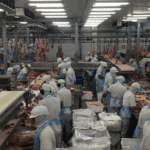 Exploitation of undocumented workers
Undocumented Workers at Mar-a-Lago: Immigration, Labor, and Legal Concerns
Reports and investigations have revealed the employment of undocumented workers at Mar-a-Lago, former President Donald Trump’s private club in Palm Beach, Florida.
These findings, drawn from court records, sworn testimonies, and internal documents, suggest that for years, individuals without legal authorization to work in the United States were hired for positions ranging from kitchen staff to maintenance and housekeeping.
Some workers have stated they used fraudulent Social Security numbers or identity documents to obtain employment. The presence of undocumented laborers at such a high-profile establishment has sparked debates about immigration enforcement, labor standards, and possible violations of federal employment laws.
The Trump Organization, which manages Mar-a-Lago, has faced scrutiny in the past over its hiring practices, including a 2013 settlement where it paid $1 million to resolve claims involving the hiring of undocumented immigrants at other properties. These allegations raise broader questions about how common such practices may be in luxury hospitality and what level of responsibility employers bear in verifying work eligibility.
 Filing taxes for undocumented workers
How Undocumented Workers Were Hired at Mar-a-Lago
Undocumented workers reportedly gained employment at Mar-a-Lago through networks of laborers, often referred to as “day laborer” systems, and were sometimes recruited through contractors or word of mouth.
Court testimonies, including those from former employees and managers, indicate that some applicants submitted falsified documents, such as fake identification cards or borrowed Social Security numbers, which were allegedly not rigorously verified during the hiring process.
While U.S. law requires employers to complete Form I-9 to confirm a worker's identity and eligibility, investigations have suggested that the Trump Organization may have failed to comply fully with these requirements at Mar-a-Lago and other properties.
Some managers reportedly even advised employees on how to pass federal background checks, contributing to claims of willful negligence or complicity. The reliance on low-wage, off-the-books labor within upscale service industries like golf clubs and resorts makes enforcement of immigration and labor laws especially challenging.
 Fines for employers hiring undocumented workers
Legal and Employment Violations Involving the Trump Organization
The use of undocumented labor at Mar-a-Lago is part of a broader pattern of alleged violations tied to the Trump Organization. In 2022, the New York Attorney General’s civil investigation concluded that the company engaged in fraudulent business practices, leading to a judgment ordering its dissolution unless appealed.
While the case focused primarily on financial misrepresentation, it also highlighted prior concerns about labor law violations and employee misclassification. The U.S. Department of Labor has previously fined Trump-owned properties for wage violations, including failure to pay overtime and minimum wage.
Employment of undocumented workers, while not uncommon across U.S. industries, can expose employers to federal penalties, particularly if there is evidence of knowing recruitment or document fraud facilitation.
Although federal immigration enforcement typically targets workers more aggressively than employers, cases like Mar-a-Lago underscore the vulnerability of undocumented laborers and the lack of accountability for corporate hiring practices.
Impact on Undocumented Workers and Labor Rights
Undocumented workers at Mar-a-Lago and similar high-end establishments often operate in precarious conditions, with limited access to labor protections and high risks of exploitation and wage theft. Because of their immigration status, many fear reporting abuse or unsafe working conditions due to the threat of deportation or job loss.
Workers have described long hours in physically demanding roles, sometimes without proper safety equipment or rest breaks, and receiving pay in cash to avoid formal wage records. This underground labor system enables cost-cutting for employers but undermines fair labor standards and weakens protections for all workers.
Advocacy groups argue that cases like Mar-a-Lago reveal systemic gaps in worksite enforcement and call for stronger oversight of employment verification and worker rights, especially in industries dependent on immigrant labor. Reforming these practices would require both political will and improved mechanisms for holding powerful employers accountable.
| Issue | Description | Relevance |
|---|---|---|
| Undocumented Labor | Workers employed without legal authorization to work in the U.S., often using falsified documents. | Highlights gaps in immigration enforcement and employer accountability at elite establishments. |
| I-9 Verification Failures | Employers are required to verify identity and work eligibility via Form I-9, but compliance has been inconsistent. | Suggests possible negligence or deliberate non-compliance by management at Mar-a-Lago. |
| Wage and Hour Violations | Reports of cash payments, unpaid overtime, and lack of benefits for kitchen and maintenance staff. | Indicates broader labor law violations beyond immigration status. |
The presence of undocumented workers at Mar-a-Lago has drawn significant attention due to the estate's high-profile status and its connection to political figures. These individuals often perform essential yet low-visibility tasks such as landscaping, housekeeping, food service, and maintenance, working long hours under challenging conditions.
Despite their critical contributions to the smooth operation of the exclusive resort, many remain in precarious employment situations, lacking legal protections, benefits, or job security. The reliance on undocumented labor reflects broader trends in the U.S. hospitality and service industries, where demand for affordable labor frequently intersects with immigration enforcement gaps.
Reports and investigations have highlighted concerns about exploitation, wage violations, and deceptive hiring practices, raising ethical and legal questions about accountability and compliance at such prominent private establishments.
Recruitment and Hiring Practices at Mar-a-Lago
Investigations have revealed that recruiters for Mar-a-Lago often sourced undocumented workers through informal networks, subcontractors, or temporary agencies, creating layers of separation between the estate's management and the labor force.
These hiring practices allowed supervisors to potentially evade direct responsibility for verifying legal work status while still benefiting from low-cost labor.
Some workers reported being advised to use falsified documents or borrowed Social Security numbers to pass background checks, underscoring systemic vulnerabilities in employment verification systems.
The lack of transparency in the recruitment pipeline has raised alarms about complicity and oversight, especially given the estate's reputation and frequent government-related events hosted on its premises.
Working Conditions and Daily Realities
Undocumented employees at Mar-a-Lago frequently endured grueling shifts, sometimes exceeding 12 hours, particularly during high-profile events or presidential visits.
Many reported inadequate breaks, limited access to hydration or rest areas, and pressure to maintain discretion due to the estate's security-conscious environment. Workers in housekeeping and kitchen roles described substandard wages, inconsistent pay schedules, and the constant fear of retaliation or deportation if they raised concerns.
The high-pressure atmosphere, coupled with their immigration status, made these individuals especially vulnerable to abuse and workplace exploitation, with few avenues available to seek recourse without risking exposure or job loss.
Legal and Immigration Implications
The employment of undocumented immigrants at a facility as prominent as Mar-a-Lago brings complex legal and immigration issues to the forefront.
Federal law prohibits knowingly hiring individuals unauthorized to work in the U.S., and employers are required to complete Form I-9 for all new hires. While Mar-a-Lago may claim that staffing was handled through third-party contractors, legal liability can still extend to entities that benefit from unauthorized labor if willful blindness is demonstrated.
Ongoing scrutiny from immigration enforcement agencies and labor watchdogs has prompted calls for stricter oversight and audits of employment practices at high-profile private clubs and resorts, especially those tied to public figures.
Wage Theft and Labor Violations
Multiple accounts from former employees indicate widespread wage theft and violations of labor standards at Mar-a-Lago, including unpaid overtime, off-the-clock work, and tip misappropriation.
Managers allegedly pressured staff to work beyond scheduled hours without proper compensation, justified by the need for impeccable service during VIP events. Because many workers lacked legal status, they were often unwilling or unable to file complaints with labor boards or pursue legal action.
These vulnerabilities create an environment where labor abuses can persist with little accountability, reinforcing cycles of economic dependency and limiting the ability of undocumented workers to assert their rights under U.S. labor law.
Impact on the Broader Service Industry
The case of undocumented workers at Mar-a-Lago reflects broader patterns within the U.S. service sector, where marginalized immigrant labor is often relied upon to maintain luxury standards at low operational costs.
This dynamic perpetuates a two-tiered workforce in which legal employees receive benefits and protections, while undocumented workers remain invisible and expendable. The exposure of such practices at a nationally recognized venue could prompt wider reforms in hiring transparency, wage enforcement, and contractor accountability across similar institutions.
Addressing these systemic inequities requires not only policy changes but also corporate responsibility and public awareness to ensure fair treatment for all workers, regardless of immigration status.
Frequently Asked Questions
Who are undocumented workers at Mar-a-Lago?
Undocumented workers at Mar-a-Lago are individuals employed at the resort without legal immigration status in the United States. They often work in roles like housekeeping, landscaping, or food service. Their presence has raised legal and ethical concerns, especially regarding labor practices and immigration enforcement. Investigations have examined hiring procedures, though definitive public records remain limited.
Has Mar-a-Lago faced legal issues over undocumented workers?
Yes, Mar-a-Lago has faced scrutiny over the employment of undocumented workers. Reports and investigations have revealed that some staff lacked proper documentation. Authorities have looked into potential violations of immigration and labor laws. While specific legal actions against the property have not always resulted in major penalties, the findings have fueled public debate about accountability and oversight in high-profile private establishments using undocumented labor.
How were undocumented workers hired at Mar-a-Lago?
Undocumented workers were reportedly hired at Mar-a-Lago through standard staffing channels without thorough verification of immigration status. Some were referred by contractors or word of mouth. Investigations found that background checks may have been insufficient. Despite requirements for employment eligibility verification, lapses allowed undocumented individuals to be hired, raising concerns about compliance with federal labor and immigration regulations within the resort’s staffing practices.
What is the public reaction to undocumented workers at Mar-a-Lago?
Public reaction has been divided. Some criticize the use of undocumented labor as unethical, especially given the site’s high-profile status and political associations. Others argue that such practices reflect broader systemic issues in the U.S. labor market. Supporters of the workers emphasize their contributions and call for immigration reform. The situation has sparked debates over accountability, workers’ rights, and consistency in immigration enforcement.
Leave a Reply