
Fines for hiring undocumented workers

Employers who hire undocumented workers face significant legal and financial consequences across many countries, particularly in the United States, where immigration laws are strictly enforced.
Fines for violating these regulations can range from thousands to tens of thousands of dollars per unauthorized employee, depending on the severity and frequency of the offense. Beyond monetary penalties, businesses may also endure criminal charges, loss of operating licenses, and reputational damage.
Governments implement these sanctions to deter the exploitation of undocumented labor and to uphold fair employment practices. Understanding the risks and complying with verification requirements, such as the I-9 process, is essential for employers to avoid severe repercussions and contribute to a lawful workforce environment.
 Ice arrests 84 undocumented workers at a louisiana racetrack
Fines and Penalties for Hiring Undocumented Workers in the United States
Employers found hiring undocumented workers in the United States face significant civil and criminal fines, penalties, and legal consequences under federal immigration law, primarily enforced by U.S.
Immigration and Customs Enforcement (ICE) and the Department of Justice’s Office of Special Counsel for Immigration-Related Unfair Employment Practices (OSC). The Immigration Reform and Control Act (IRCA) of 1986 made it illegal for employers to knowingly hire or continue to employ individuals not authorized to work in the U.S.
Penalties vary based on the number of violations, whether the infractions were willful, and the size of the business. First-time offenders may face civil fines ranging from hundreds to several thousand dollars per unauthorized worker, while repeat or egregious violations can lead to much higher fines and even criminal prosecution.
Employers may also suffer reputational damage, business suspension, or debarment from federal contracts. Additionally, pattern-or-practice violations can result in referral to criminal authorities, emphasizing the critical importance of compliance with employment eligibility verification procedures, such as properly completing and retaining Form I-9.
 Los angeles undocumented workers comp lawyer
Understanding Civil and Criminal Penalties Under IRCA
Under the Immigration Reform and Control Act (IRCA), employers who are found to have hired undocumented workers face escalating penalties that depend on the severity and frequency of the violations.
For technical or paperwork violations related to the Form I-9 process—such as missing signatures or late completions—civil fines can range from $275 to $559 per violation as of 2024. However, for substantive violations like knowingly employing unauthorized workers, first offenses can incur fines between $632 and $4,745 per worker, with repeat offenses leading to fines of up to $23,726 per worker.
In cases involving a pattern or practice of hiring undocumented labor, employers may face criminal charges, including imprisonment for up to six months for a first offense and up to three years for subsequent convictions. These serious consequences are designed not only to deter illegal hiring practices but also to promote fair labor standards and discourage exploitation of vulnerable workers.
Enforcement Agencies and Compliance Procedures
Key federal agencies responsible for enforcing immigration employment laws include U.S. Immigration and Customs Enforcement (ICE), U.S. Citizenship and Immigration Services (USCIS), and the Department of Labor (DOL). ICE conducts I-9 audits and worksite enforcement operations to detect and penalize the employment of unauthorized workers.
 Miami undocumented workers comp attorney
Employers are required to verify identity and work eligibility for all hires through the Form I-9 process and, in many cases, participate in E-Verify, a voluntary but increasingly mandated electronic verification system. Noncompliance discovered during audits can trigger notices of inspection, fines, or unannounced worksite raids.
Employers across industries—especially in agriculture, construction, hospitality, and food services—must maintain accurate records and stay informed about updates to enforcement priorities, which can shift based on political and economic climates. Proactive compliance, including employee training and internal audits, helps minimize the risk of penalties and operational disruptions.
Impact on Businesses and Workforce Integrity
The hiring of undocumented workers not only exposes employers to substantial financial penalties but also undermines workforce integrity, fair wage standards, and overall economic equity.
When employers circumvent immigration laws to reduce labor costs, they create an uneven playing field that disadvantages businesses maintaining full compliance.
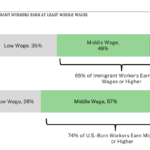 Percent of construction workers undocumented
This can lead to the exploitation of vulnerable workers, who may be subjected to unsafe conditions or subminimum wages due to fear of deportation. Furthermore, industries reliant on undocumented labor may struggle with high turnover, lower productivity, and legal instability.
Beyond legal exposure, companies may face consumer backlash, loss of government contracts, and reduced eligibility for tax incentives. Thus, maintaining legal hiring practices benefits not only the employer but also supports ethical labor markets and protects the rights of all workers, regardless of immigration status.
| Violation Type | First Offense Penalty | Repeated Offense Penalty |
|---|---|---|
| Technical or Paperwork I-9 Violations | $275–$559 per worker | $559–$1,117 per worker |
| Knowingly Hiring Unauthorized Workers | $632–$4,745 per worker | $4,745–$10,182 per worker |
| Pattern or Practice of Unauthorized Hiring | $4,745–$10,182 per worker + criminal charges | Up to $23,726 per worker + up to 3 years imprisonment |
| Fraudulent or Fake Documentation Use | Up to $7,903 per worker | Up to $23,726 per worker |
Employing undocumented workers may offer short-term labor savings, but businesses face significant long-term liabilities, including severe fines, audits, and reputational damage. The U.S.
Immigration and Customs Enforcement (ICE) conducts routine workplace inspections and imposes penalties that can escalate into six-figure sums for repeated violations.
Companies found knowingly hiring unauthorized personnel may also lose eligibility for government contracts, face criminal charges, and suffer public backlash, undermining trust with customers and partners.
Beyond legal exposure, reliance on undocumented labor can disrupt operations during immigration enforcement actions, leading to sudden workforce shortages and production delays. Ensuring compliance through rigorous I-9 verification and utilizing E-Verify significantly reduces these risks.
All U.S. employers are required to verify work eligibility using Form I-9 for every hire, regardless of nationality or citizenship status.
This process ensures individuals are legally permitted to work in the United States by examining documents such as a U.S. passport, permanent resident card, or employment authorization document.
Failure to complete I-9 forms correctly—or accepting fraudulent paperwork—can result in civil penalties and accusations of deliberate noncompliance. Maintaining accurate, up-to-date records is essential not only for regulatory adherence but also for defending against investigations by federal agencies.
Consequences of Noncompliance with Immigration Laws
Businesses that hire undocumented workers without proper authorization face escalating penalties, including monetary fines ranging from hundreds to thousands of dollars per unauthorized employee. Repeat offenders can be subject to criminal prosecution, leading to possible imprisonment for corporate officers involved in oversight.
Additionally, companies may be debarred from participating in federal programs, such as defense or infrastructure contracts. These legal repercussions compound with operational setbacks like workplace raids, which can lead to temporary closure and loss of consumer confidence.
Impact on Workplace Safety and Labor Standards
Undocumented workers are often hesitant to report unsafe conditions due to fear of deportation or job loss, allowing employers to bypass essential safety regulations without accountability. This imbalance increases the risk of workplace injuries and reduces overall job site integrity.
Moreover, the exploitation of unauthorized labor can depress wage standards across industries, creating unfair competition for businesses that follow labor laws. Upholding safety and equitable pay benefits both employees and compliant employers by fostering a more transparent and stable work environment.
Corporate Reputation and Consumer Trust
Public knowledge of hiring undocumented workers can severely damage a company’s reputation, especially if linked to exploitative labor practices.
Consumers and stakeholders increasingly demand ethical sourcing and humane treatment of workers, and exposure to illicit employment practices can trigger boycotts, negative media coverage, and investor withdrawal. Proactively enforcing lawful hiring standards demonstrates a commitment to corporate responsibility and strengthens brand loyalty among socially conscious markets.
Rather than risking legal consequences, employers can pursue legal avenues such as hiring through visa sponsorship programs, including H-2A (agricultural) and H-2B (non-agricultural) visas, to address labor shortages.
Recruitment partnerships with refugee resettlement agencies, expansion of employee referral incentives, and investment in automation are sustainable solutions that maintain compliance. Offering competitive wages and improved working conditions also attracts a broader pool of qualified domestic applicants, reducing dependency on unauthorized labor while supporting long-term business stability.
Frequently Asked Questions
What are the penalties for hiring undocumented workers in the United States?
Employers found hiring undocumented workers may face civil fines ranging from $573 to $21,563 per unauthorized employee, depending on repeat violations.
Criminal charges apply for patterns of hiring or recruiting undocumented workers, which can result in imprisonment and higher fines. Penalties increase significantly for repeat offenders, and worksite enforcement actions can include audits, inspections, and legal prosecution by U.S. Immigration and Customs Enforcement (ICE).
Can businesses be criminally charged for employing undocumented immigrants?
Yes, businesses can face criminal charges if they knowingly hire or continue to employ undocumented workers, especially in cases involving a pattern or scheme of violations.
Business owners or managers may be prosecuted under federal law, facing fines and up to five years in prison. Criminal charges typically apply when there’s evidence of intentional misconduct, document fraud, or repeated failure to comply with employment verification requirements like Form I-9.
How does the I-9 verification process help prevent hiring undocumented workers?
The Form I-9 process requires employers to verify the identity and employment authorization of all hires by reviewing acceptable documents. This system helps ensure workers are legally allowed to work in the U.S. Employers must complete and retain I-9 forms for each employee.
Failure to comply, such as improper completion or accepting fraudulent documents, can trigger penalties. Regular internal audits help prevent violations and demonstrate good faith compliance.
What happens if an employer receives a Notice of Inspection from ICE?
A Notice of Inspection (NOI) from ICE requires employers to produce their I-9 forms and related records within three business days. Employers must allow ICE to review these documents.
If violations are found during the audit, the employer may face fines or further investigation. It’s crucial to respond promptly and accurately, and employers often consult legal counsel to ensure proper handling of the inspection and any follow-up enforcement actions.
Leave a Reply