
Illegal immigrant workers
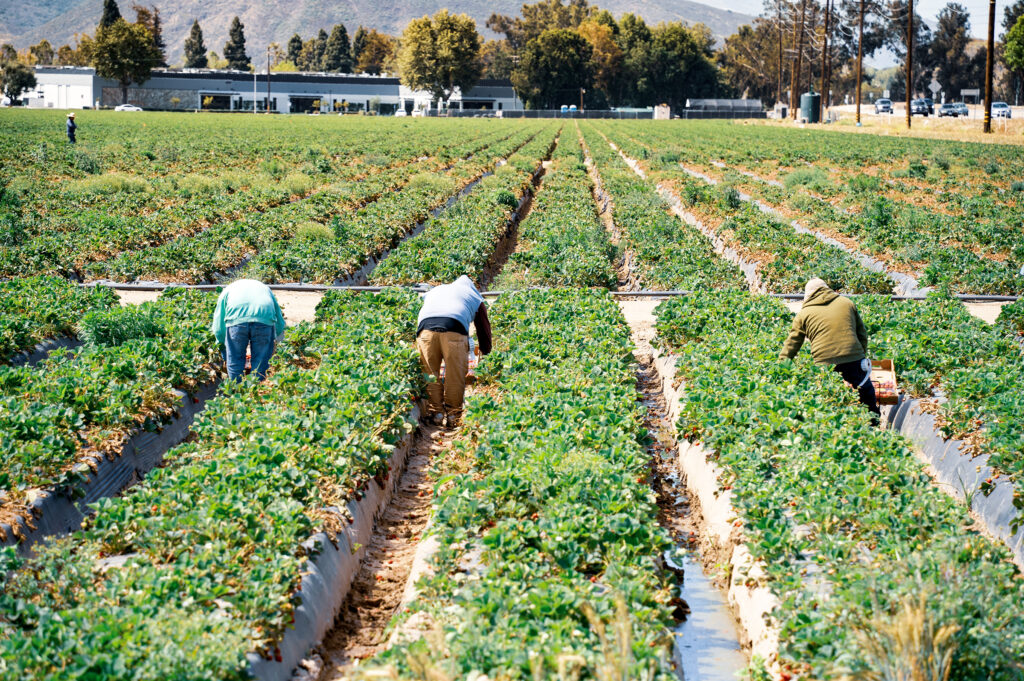
Illegal immigrant workers represent a complex and often controversial segment of the global labor force. Drawn by the promise of better economic opportunities, many cross borders without authorization to fill essential roles in industries such as agriculture, construction, and service. While their labor contributes significantly to host economies, they frequently work in precarious conditions, with limited legal protections and constant fear of deportation.
Debates surrounding their presence involve questions of rights, economic impact, national security, and humanitarian responsibilities. Understanding the realities of illegal immigrant workers requires balancing empathy with policy considerations, recognizing both their vulnerabilities and their integral role in sustaining key economic sectors.
The Role and Impact of Illegal Immigrant Workers in the U.S. Economy
Illegal immigrant workers play a significant, yet controversial, role in the United States economy. These individuals often take on essential jobs in sectors such as agriculture, construction, hospitality, and domestic services—industries that frequently face labor shortages. Despite lacking legal authorization to work, many undocumented immigrants contribute through their labor, consumption of goods and services, and often through taxes paid via Individual Taxpayer Identification Numbers (ITINs) or under borrowed Social Security numbers. Their presence stimulates economic activity but also generates debate over wage suppression, strain on public services, and enforcement of immigration laws. While they are not eligible for most federal benefits, they still access emergency healthcare and education for their children under federal law. The complexity of their integration into the workforce underscores broader challenges in U.S. immigration policy and labor market dynamics.
 Trump administration cancels humanitarian parole affecting immigrant workers
Economic Contributions of Undocumented Workers
Undocumented workers make substantial economic contributions despite their legal status. They pay billions of dollars annually into the U.S. economy through sales taxes, property taxes (often indirectly via rent), and federal and state income taxes—many using ITINs to file returns.
According to the Institute on Taxation and Economic Policy, undocumented immigrants collectively paid an estimated $13.9 billion in state and local taxes in 2021. Furthermore, they contribute to Social Security and Medicare through payroll deductions but are typically unable to claim benefits later, creating a net gain for the trust funds.
Their participation in the workforce also helps keep labor costs lower in essential industries, which can lead to reduced prices for consumers. In agricultural regions, for example, the absence of undocumented labor would likely disrupt food supply chains and increase production costs.
Illegal immigrant workers face numerous hardships, including exploitation in the workplace, limited access to legal protections, and constant fear of deportation. Employers may take advantage of their status by paying below minimum wage, withholding wages, or subjecting them to unsafe working conditions without fear of legal repercussions.
 Trump's immigration policies impact workforce as workers lose legal status
Since many are afraid to report abuses due to immigration enforcement risks, they often endure substandard treatment. Limited access to healthcare, affordable housing, and formal financial systems further exacerbates their vulnerability.
Children of undocumented immigrants, while protected under Plyler v. Doe for K–12 education, may still struggle with psychological stress and economic disadvantages. Additionally, family separation due to deportation remains a traumatic reality for many, affecting both personal well-being and workforce stability.
Legal and Policy Frameworks Surrounding Undocumented Employment
U.S. laws strictly prohibit the employment of individuals not authorized to work, enforced primarily through the Immigration Reform and Control Act of 1986 (IRCA), which mandates employment verification via Form I-9.
However, enforcement has been inconsistent, with a greater focus on worker penalties rather than employer accountability. While the government has expanded the use of E-Verify, a system to check work eligibility, participation remains voluntary in many states. Workplace raids and audits do occur, but critics argue they are disruptive and fail to address systemic demand for low-wage labor.
 Trump plans to modify immigration policy to protect migrant workers
Comprehensive immigration reform proposals have repeatedly stalled in Congress, leaving millions in legal limbo. Policies like Deferred Action for Childhood Arrivals (DACA) provide temporary relief for some, but do not resolve the broader issue of undocumented workforce integration or regularization.
| Aspect | Description | Key Statistic or Fact |
|---|---|---|
| Estimated Population | Number of undocumented immigrants in the U.S. | Approximately 10.5 million in 2022 (Pew Research Center) |
| Top Industries Employing Undocumented Workers | Sectors with high undocumented labor participation | Agriculture (23%), Construction (14%), Leisure/Hospitality (12%) (Pew, 2021) |
| Tax Contributions | Estimated annual tax payments by undocumented immigrants | $13.9 billion in state and local taxes (ITEP, 2021) |
| Workforce Participation | Share of undocumented immigrants in U.S. labor force | About 4.5% of total U.S. civilian labor force |
| Deportations (Recent Avg.) | Annual removals by U.S. immigration authorities | Fluctuates; ~250,000 annually in recent years (DHS) |
Frequently Asked Questions
What are illegal immigrant workers?
Illegal immigrant workers are individuals who live and work in a country without legal authorization. They may have entered the country unlawfully or overstayed their visas.
These workers often take jobs in industries like agriculture, construction, and domestic service, where demand for low-wage labor is high. Despite their lack of legal status, they contribute to the economy, though they face risks like exploitation and limited access to rights and protections.
Why do employers hire illegal immigrant workers?
Employers may hire illegal immigrant workers because they are willing to work for lower wages and in poor conditions. In industries facing labor shortages, such as farming or hospitality, these workers fill essential roles.
Some employers exploit their vulnerable status to avoid paying taxes, offering benefits, or complying with labor laws. Although hiring undocumented workers is illegal, enforcement is often inconsistent, which can encourage continued employment in the informal economy.
What challenges do illegal immigrant workers face?
Illegal immigrant workers face numerous challenges, including fear of deportation, lack of access to healthcare, and limited legal protections. They often endure low wages, unsafe working conditions, and workplace abuse due to their undocumented status.
Language barriers and social isolation can further hinder their ability to seek help. Without legal rights, they may avoid reporting exploitation or crimes, making them vulnerable to abuse by employers and others in positions of power.
How do illegal immigrant workers impact the economy?
Illegal immigrant workers contribute to the economy by filling labor shortages in key sectors like agriculture, service, and construction. They pay taxes through sales and property taxes, and some contribute to Social Security without being eligible to receive benefits.
While they may put pressure on public services, studies show their overall economic impact is generally positive, supporting economic growth and helping sustain industries reliant on low-cost labor.
Leave a Reply