
Trump administration cancels humanitarian parole affecting immigrant workers

The Trump administration has moved to end a key humanitarian parole program, significantly impacting immigrant workers across the United States.
The decision terminates a pathway that allowed certain foreign nationals to enter or remain in the country temporarily for urgent humanitarian reasons or significant public benefit. With this reversal, thousands of workers who relied on parole status for employment and stability now face uncertainty.
Critics argue the move undermines economic contributions made by these individuals, while supporters claim it strengthens border security and upholds immigration laws. The change reflects broader shifts in U.S. immigration policy, prioritizing stricter enforcement over humanitarian exceptions during the administration's final months.
 What does undocumented workers mean
Trump Administration Ends Humanitarian Parole Program, Impacting Immigrant Workers
The Trump administration’s decision to cancel key components of the humanitarian parole program has significantly affected thousands of immigrant workers who had relied on temporary legal status to live and work in the United States. Humanitarian parole is a discretionary measure that allows individuals who are not otherwise eligible for admission into the U.S. to enter the country due to urgent humanitarian reasons.
Under previous policies, certain vulnerable populations—including those fleeing natural disasters, political persecution, or extreme hardship in their home countries—were granted parole to reside legally while contributing to the American workforce. However, the Trump administration carried out a series of policy changes that narrowed eligibility, terminated longstanding initiatives, and effectively ended entry for many of these workers.
This reversal has led to widespread uncertainty among immigrant communities, disrupted industries dependent on these laborers—particularly agriculture, construction, and healthcare—and sparked legal and humanitarian concerns from advocacy groups.
What Is Humanitarian Parole and How Was It Used?
Humanitarian parole is a legal mechanism administered by U.S. Citizenship and Immigration Services (USCIS) that permits foreign nationals to enter the United States on a temporary basis when they face urgent humanitarian needs. It has historically been used for victims of natural disasters, individuals requiring critical medical treatment, or those escaping targeted violence.
 What happened when florida cracked down on undocumented workers
In recent years, the program also allowed certain immigrant workers from countries with severe economic or political crises—such as Venezuela, Haiti, and parts of Central America—to come to the U.S. for employment and temporary residency.
These individuals were authorized to work legally under parole status, enabling them to support their families and contribute to local economies. However, the Trump administration significantly curtailed the use of this tool, arguing that it circumvented standard immigration channels and contributed to unauthorized presence over time.
Key Policy Changes Under the Trump Administration
During its tenure, the Trump administration implemented a series of immigration enforcement measures aimed at reducing both legal and illegal immigration flows, with humanitarian parole being one of the areas most affected.
Policies such as the termination of the Central American Minors (CAM) Program and the restriction of parole eligibility for parents of U.S. citizens or lawful permanent residents drastically reduced avenues for legal entry. Moreover, the administration introduced rule changes that required a higher threshold of “urgent” humanitarian reasons and emphasized that parole should be used sparingly and only for compelling, non-economic cases.
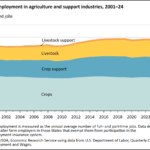 What percent of agricultural workers are undocumented
As a result, many applications from immigrant workers seeking relief were denied, and existing parolees faced obstacles in renewing their status. These changes signaled a broader shift toward a restrictive immigration system focused on enforcement rather than humanitarian protection.
Impact on Immigrant Workers and U.S. Industries
The cancellation of humanitarian parole opportunities has had a profound impact on immigrant workers and the American industries that employ them.
Many workers who were previously granted parole were integrated into essential sectors such as agriculture, food processing, elder care, and construction, where labor shortages are common and reliance on immigrant labor is high.
With no legal status, these individuals face immediate risks of detention, deportation, and loss of employment, destabilizing both their households and the businesses that depend on their labor.
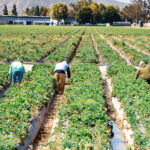 What percentage of migrant farm workers are undocumented
Moreover, employers report difficulties replacing skilled or experienced workers, increasing production costs and disrupting supply chains. Advocates argue that the policy reversal not only undermines human dignity but also deals a blow to the U.S. economy, particularly in rural and underserved areas where immigrant workers fill critical workforce gaps.
| Aspect | Before Policy Change | After Trump Administration Action |
|---|---|---|
| Eligibility for Parole | Broad humanitarian grounds, including economic crisis and family reunification | Narrowed to only the most urgent and compelling circumstances; economic hardship no longer a valid basis |
| Work Authorization | Parolees could apply for Employment Authorization Documents (EADs) | Access severely restricted; new applications often denied or left unprocessed |
| Industries Affected | Agriculture, healthcare, construction, and food service employed many parolees | Now facing labor shortages and higher turnover in critical sectors |
| Humanitarian Focus | Emphasis on protecting vulnerable populations | Shift toward immigration deterrence and enforcement |
| Legal Challenges | Few legal barriers to humanitarian parole | Increase in litigation and court challenges over arbitrary denials |
Frequently Asked Questions
What is humanitarian parole and how did the Trump administration cancel it?
Humanitarian parole allows individuals to enter the U.S. temporarily for urgent medical or humanitarian reasons. The Trump administration restricted this program by limiting approvals for broad categories, including immigrant workers.
This change meant many no longer qualified, especially those seeking employment. The administration cited immigration enforcement and job protection for Americans as reasons, significantly reducing access to legal entry paths for vulnerable populations in need.
How did canceling humanitarian parole affect immigrant workers?
Canceling humanitarian parole left many immigrant workers unable to legally enter or remain in the U.S. for essential jobs, particularly in agriculture, healthcare, and seasonal industries. Workers who depended on this status faced deportation or inability to reunite with families.
Employers struggled with labor shortages, and many qualified applicants lost job opportunities. The policy disrupted livelihoods and created uncertainty for thousands relying on temporary legal protections.
Why did the Trump administration decide to end humanitarian parole for workers?
The Trump administration argued that ending humanitarian parole for workers protected American jobs and strengthened border security. Officials claimed temporary foreign workers could displace U.S. citizens in the labor market.
The policy aligned with broader America First immigration goals, prioritizing workforce protection and reducing non-essential immigration. Critics, however, said it ignored labor market needs and harmed vulnerable individuals seeking safety and employment.
Can humanitarian parole still be granted under current policies?
Yes, humanitarian parole is still available but under much stricter criteria. It’s now reserved for urgent, case-by-case humanitarian reasons or significant public benefit, not general employment purposes. Applications are less likely to succeed without compelling medical or safety-related grounds.
While the program exists, approvals have significantly decreased, especially for immigrant workers, making it far more difficult to obtain temporary entry for work-related humanitarian cases.
Leave a Reply