
How to report a hospital for unsafe working conditions
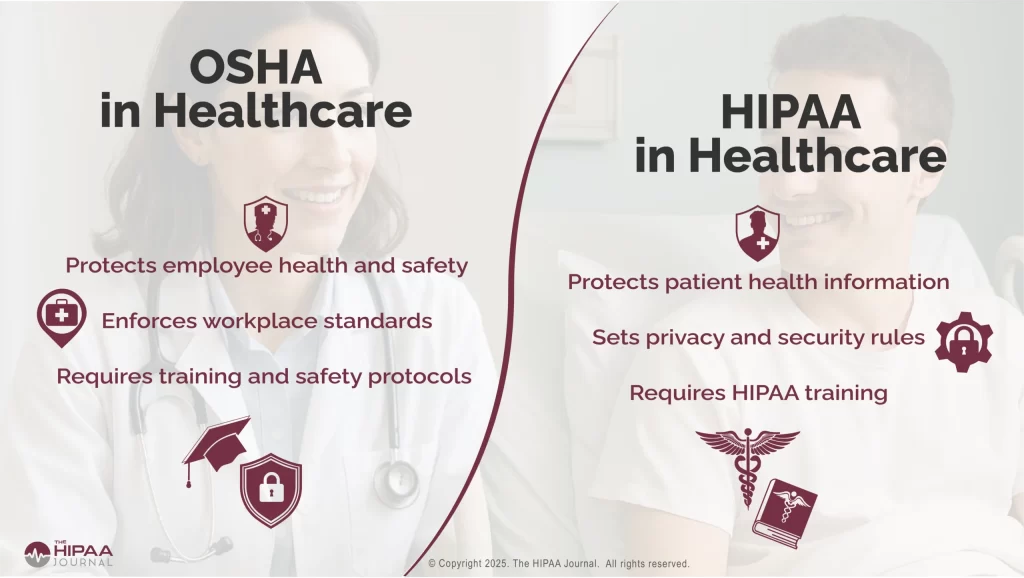
Reporting a hospital for unsafe working conditions is a critical step in protecting both employee well-being and patient safety. When hazardous environments go unaddressed, they can lead to injuries, medical errors, and decreased quality of care.
Workers who observe unsafe practices have the right—and responsibility—to take action. Understanding the proper reporting procedures ensures concerns are taken seriously and addressed effectively.
This includes documenting incidents, following internal protocols, and, if necessary, filing complaints with regulatory agencies such as OSHA. Knowing how to navigate this process empowers healthcare professionals to advocate for safer workplaces without fear of retaliation.
 Ehere to report unsafe working conditions
How to Report a Hospital for Unsafe Working Conditions
Reporting a hospital for unsafe working conditions is a critical step in protecting both healthcare workers and patients. Unsafe conditions—such as understaffing, defective medical equipment, exposure to infectious materials, or inadequate safety protocols—can lead to serious harm and even legal violations.
Employees, patients, or concerned parties can report these issues to federal or state regulatory agencies, such as the Occupational Safety and Health Administration (OSHA), The Joint Commission, or state health departments. Proper documentation, including dates, descriptions of hazards, and attempts to resolve issues internally, strengthens a complaint.
Whistleblower protections exist in many jurisdictions to shield reporters from retaliation, allowing individuals to speak up without fear of job loss. It is important to follow correct reporting procedures to ensure the complaint is investigated thoroughly.
Identify the Unsafe Working Conditions
Before filing a formal report, it’s essential to clearly identify and document the unsafe working conditions present in the hospital.
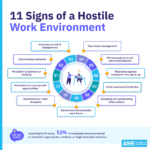 How to anonymously report unsafe working conditions
These may include exposure to hazardous chemicals, violent patient incidents due to lack of security, defective or poorly maintained equipment, excessive work hours leading to fatigue, or insufficient personal protective equipment (PPE).
Gathering evidence—such as photographs, incident reports, shift logs, and witness statements—can significantly strengthen your case.
Make sure to note any prior attempts to report the issue internally to supervisors or hospital administration. Understanding whether the hazard violates specific safety standards, such as those set by OSHA or CMS (Centers for Medicare & Medicaid Services), will help determine the appropriate authority to contact.
Know the Appropriate Reporting Agencies
Different unsafe conditions may fall under the jurisdiction of different regulatory bodies, so it's crucial to report to the correct agency. OSHA handles occupational safety and health concerns, including workplace violence, chemical exposure, and ergonomic hazards.
 Report a business for unsafe working conditions
For issues related to patient care and hospital accreditation, The Joint Commission accepts complaints through its online portal or hotline. If the hospital receives federal funding, violations can also be reported to CMS. State-level departments of health or labor may also have oversight and reporting mechanisms.
Knowing the specific mandate of each agency ensures your complaint is routed effectively and investigated promptly. Anonymous reports are often allowed, but providing contact information may allow investigators to follow up for additional details.
Follow Up and Understand Your Protections
After submitting a complaint, it’s important to follow up with the reporting agency to confirm receipt and track the investigation’s progress. Many agencies provide a case number or contact representative for updates. Be prepared to provide additional information if requested.
Crucially, understand your legal whistleblower protections—under OSHA and various healthcare laws, employees cannot be fired, demoted, or harassed for reporting safety violations in good faith. If retaliation occurs, this can be reported separately to OSHA within specific timeframes (usually 30 days).
 How to report a business for unsafe working conditions
Keeping copies of all communications and documenting any retaliatory actions strengthens your position. Staying informed about your rights ensures you can advocate safely for a healthier, safer work environment.
| Reporting Agency | Scope of Concerns | Contact Method |
|---|---|---|
| OSHA | Workplace safety, chemical exposure, ergonomics, violence | Online complaint form, phone, mail |
| The Joint Commission | Patient safety, hospital accreditation violations | Online complaint portal, toll-free hotline |
| CMS (Centers for Medicare & Medicaid Services) | Hospitals receiving federal funds, quality of care issues | State Survey Agency referral, online reporting |
| State Department of Health or Labor | Local regulations, licensing, facility inspections | Website portals, email, phone |
Frequently Asked Questions
How do I report a hospital for unsafe working conditions?
You can report unsafe working conditions at a hospital to OSHA (Occupational Safety and Health Administration) by filing a complaint online, by phone, or by mail.
Provide detailed information including the hospital name, location, specific hazards, and any incidents. Your identity can remain confidential if requested. OSHA will review the complaint and may conduct an inspection to ensure compliance with safety standards.
Can I report unsafe conditions anonymously?
Yes, you can file an anonymous report with OSHA regarding unsafe hospital working conditions. While providing your name strengthens the investigation, OSHA allows anonymous complaints and will still review the case.
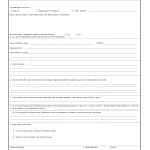 Osha reporting unsafe working conditions
However, they may be limited in follow-up actions without contact information. Requests for confidentiality are respected, and federal law protects you from retaliation regardless of whether you report anonymously or not.
What information should I include in my report?
Include the hospital’s name, address, a detailed description of the unsafe conditions, dates and times if possible, any injuries or incidents related to the hazards, and names of supervisors or staff involved.
Photos or documents supporting your claim are helpful. Providing witness names strengthens the complaint but is not required. The more specific and accurate your information, the more effectively OSHA can address the issue.
What protections exist if I report my hospital?
Federal law protects healthcare workers who report unsafe conditions from retaliation, such as firing, demotion, or harassment. OSHA prohibits employers from punishing employees for filing safety complaints.
If retaliation occurs, you can file a separate complaint with OSHA within 30 days. These whistleblower protections ensure you can report hazards without fear, promoting safer workplaces across the healthcare industry.
Leave a Reply