
How to report a company for unsafe working conditions

Workers have the right to a safe and healthy workplace, but when companies fail to meet safety standards, it can lead to serious injuries or even fatalities.
If you suspect unsafe working conditions, reporting the issue is a crucial step in protecting yourself and your coworkers. Understanding how to properly report a company for hazardous practices ensures that concerns are addressed effectively and without fear of retaliation.
This guide outlines the steps to take, including identifying violations, documenting evidence, and contacting the appropriate regulatory authorities such as OSHA in the United States. Knowing your rights and the reporting process can make a significant difference in maintaining workplace safety and holding employers accountable.
 Ehere to report unsafe working conditions
How to Report a Company for Unsafe Working Conditions
If you believe your workplace has unsafe working conditions, you have the right—and in many cases, the responsibility—to report it.
Reporting such violations helps protect not only your well-being but also that of your coworkers. In the United States, the primary agency responsible for enforcing workplace safety standards is the Occupational Safety and Health Administration (OSHA).
You can file a complaint with OSHA either online, by phone, in writing, or in person at one of their regional offices. Reports can be submitted anonymously, and it is illegal for employers to retaliate against employees who report safety concerns.
When filing a complaint, be as detailed as possible, including the specific hazard, the location, the duration, and any injuries or illnesses that have resulted. OSHA will then determine whether to conduct an inspection, and if violations are found, may issue citations or fines to the employer.
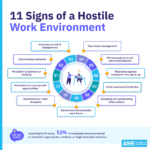 How to anonymously report unsafe working conditions
When and Why You Should Report Unsafe Conditions
You should report unsafe working conditions whenever you observe a situation that could lead to injury, illness, or death, especially if the hazard violates established safety standards.
This includes exposure to toxic substances, lack of proper safety equipment, blocked emergency exits, unsafe machinery, or failure to follow safety protocols. Reporting is crucial not only to address immediate dangers but also to prompt investigations that can prevent future incidents.
Employees, coworkers, union representatives, or even family members of workers can initiate a report. Waiting to report can increase risks, so timely action is essential. Moreover, alerting authorities like OSHA ensures that an impartial body evaluates the workplace, potentially leading to corrections that benefit everyone on the job.
How to File a Formal Complaint with OSHA
Filing a formal complaint with OSHA is a structured but straightforward process. You can submit a complaint online through the OSHA website, call your regional OSHA office, mail a completed form, or visit in person.
 Report a business for unsafe working conditions
For the complaint to trigger an onsite inspection, it’s best to submit it in writing and sign it—though unsigned complaints are still reviewed. Include specific information such as the company name, address, description of the hazard, and any prior attempts to resolve the issue with the employer.
OSHA keeps your identity confidential if requested, and you are protected under federal law from retaliation. Once submitted, OSHA will review the complaint and decide whether to conduct an inspection, notify the employer, and follow up with enforcement actions if violations are confirmed.
What Happens After You Report a Workplace Hazard?
After you report a workplace hazard to OSHA, the agency evaluates the complaint to determine the level of risk and urgency.
High-risk situations, such as imminent danger, are prioritized and may result in an immediate onsite inspection. In lower-priority cases, OSHA may conduct a phone or email interview instead.
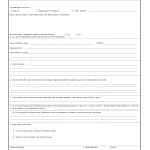 Osha reporting unsafe working conditions
If an inspection occurs, OSHA officials will visit the workplace, examine the cited hazards, interview employees, and review safety records. If violations are found, OSHA can require the employer to correct the issue by a certain deadline and may issue fines.
The complainant is typically informed of the outcome, including whether hazards were confirmed and what actions were taken. Throughout this process, OSHA ensures that your rights are protected and that no employer can legally retaliate against you.
| Action Step | Description | Key Benefit |
|---|---|---|
| Document the Hazard | Record dates, times, locations, types of danger, and any injuries. Take photos if safe to do so. | Provides credible evidence to support your complaint. |
| Contact OSHA | Submit a complaint online, by phone, mail, or in person. Use Form 7 for detailed reporting. | Initiates an official investigation process with legal protections. |
| Request Confidentiality | Ask OSHA to withhold your name from the employer. | Ensures protection from retaliation while still enabling action. |
Frequently Asked Questions
How do I report a company for unsafe working conditions in the U.S.?
You can report unsafe working conditions to the Occupational Safety and Health Administration (OSHA) by filing a complaint online, calling their hotline, or mailing a form.
Visit osha.gov to submit a complaint, providing details about the hazard, location, and employer. You may request confidentiality. OSHA will review your complaint and may conduct an inspection to ensure workplace safety standards are met.
Can I report my employer anonymously for unsafe work conditions?
Yes, you can report your employer anonymously to OSHA. When filing a complaint, request that your identity be kept confidential. OSHA will not disclose your name to the employer.
However, anonymous complaints are less likely to trigger an on-site inspection unless they clearly indicate serious hazards. Providing your contact information increases the chances of a full investigation while still offering legal protections against retaliation.
What information should I include when reporting unsafe working conditions?
Include specific details such as the company name, address, contact information, and a clear description of the hazard. Mention any injuries or illnesses related to the conditions and identify equipment or practices involved.
Provide the date and time the hazard occurs, if applicable. Your name and contact details are optional but help OSHA follow up. Accurate, detailed information increases the chance of a thorough investigation.
What happens after I report a company for unsafe working conditions?
After you file a complaint, OSHA reviews it and may contact the employer, conduct an inspection, or issue citations. If serious hazards are found, OSHA can require corrective actions.
The employer must respond to the violations. You’ll be informed of the outcome. If retaliation occurs, you can file a separate complaint. OSHA ensures your rights are protected throughout the process and maintains confidentiality upon request.
Leave a Reply