
2025 minimum wage rates by state
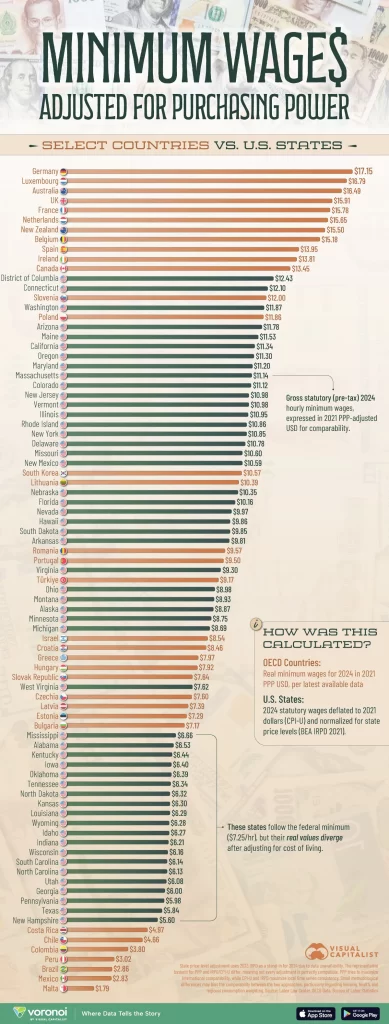
Minimum wage rates across the United States continue to evolve in response to rising living costs and economic pressures.
As of 2025, numerous states have implemented new wage increases, reflecting ongoing efforts to ensure workers earn a livable income. These rates vary significantly by state, with some exceeding the federal minimum of $7.25 per hour by a substantial margin.
Several states, including California and Washington, have set minimum wages above $15, while others maintain rates closer to the federal standard. This article provides a comprehensive overview of the 2025 minimum wage rates by state, highlighting regional differences, scheduled adjustments, and the impact on workers and businesses nationwide.
 California ccpap workers compensation
2025 Minimum Wage Rates by State: What Workers and Employers Need to Know
As the cost of living continues to rise across the United States, many states are adjusting their minimum wage policies to reflect economic realities. The year 2025 will see a wide variation in minimum wage rates across states, with some adopting significant increases to support low-income workers while others remain aligned with the federal minimum wage.
These changes are driven by legislative actions, voter-approved ballot initiatives, and inflation indexing mechanisms embedded in state laws. Understanding the 2025 minimum wage landscape is crucial for both employees seeking fair compensation and employers ensuring compliance with labor regulations.
With states like California and Washington leading the way with wages over $16 per hour, and others still clinging to the $7.25 federal baseline, the disparity highlights ongoing regional economic differences and labor policy priorities.
State-by-State Breakdown of 2025 Minimum Wages
In 2025, minimum wage rates will vary significantly from state to state, reflecting differing economic conditions and political priorities. Several states, including California, Washington, and Massachusetts, are expected to exceed $16 per hour, with some jurisdictions implementing even higher rates in major cities due to local ordinances.
 California law for workers compensation
States like Florida, which passed a constitutional amendment to gradually increase its minimum wage, are projected to reach $15 per hour by 2025. In contrast, states such as Georgia, Wyoming, and Idaho will technically maintain a lower state minimum, but employers subject to the Fair Labor Standards Act (FLSA) must still pay the federal minimum wage of $7.25 per hour.
Additionally, 29 states and the District of Columbia have minimum wages above the federal level, with many of them adjusting annually based on inflation indexing, ensuring wages keep pace with rising living costs. This patchwork system creates complexity for businesses operating across state lines and underscores the importance of staying informed about local wage laws.
| State | 2025 Minimum Wage (Estimated or Scheduled) | Tied to Inflation? |
|---|---|---|
| California | $16.50 – $18.00 (varies by city) | Yes |
| Washington | $16.65 | Yes |
| New York | $15.50 – $16.00 (varies by region) | Yes |
| Florida | $15.00 | No (phased increase by law) |
| Texas | $7.25 | No |
| Illinois | $14.00 (scheduled) | No (planned annual increases) |
| District of Columbia | $17.50 | Yes |
| Georgia | $5.15 (state rate), $7.25 (federal applies) | No |
Federal vs. State Minimum Wage: Understanding the Difference
The federal minimum wage, set at $7.25 per hour since 2009, serves as a baseline, but it is not the final word on wage requirements across the U.S. When there is a discrepancy between federal and state minimum wages, the higher wage prevails under the Fair Labor Standards Act (FLSA), meaning workers are entitled to the more favorable rate.
For example, while Texas maintains a state minimum wage of $7.25, matching the federal rate, California’s much higher state-mandated wage overrides the federal standard for workers within its borders. Some states, like Minnesota and Tennessee, do not have a minimum wage law or have rates below the federal level, so the federal rate automatically applies.
 Charleston sc workers' compensation lawyer
Employers must remain vigilant about these distinctions, especially those operating in multiple states, as non-compliance can lead to penalties, back pay obligations, and legal action. The growing gap between the stagnant federal minimum and rising state rates underscores the push for federal wage reform, though no congressional action is imminent for 2025.
Cities and Counties with Local Minimum Wage Ordinances
Beyond state-level policies, numerous cities and counties have implemented their own minimum wage ordinances that exceed both state and federal requirements, creating a layered compliance landscape.
Municipalities such as Seattle, San Francisco, and New York City already have minimum wages well above $17 per hour, and many are scheduled to increase further by 2025 due to cost-of-living adjustments.
These local laws often apply to all employers within city limits, regardless of size, although some include tiered systems based on the number of employees or whether the employer provides health benefits.
For example, Seattle’s minimum wage differs for large employers (501+ workers) versus small ones, with the larger businesses required to pay more. Similarly, Chicago adjusts its wage annually based on inflation, with planned increases leading into 2025.
These hyper-local variations mean that businesses with multiple locations must closely monitor municipal regulations, as violations—even unintentional ones—can result in significant fines and reputational damage. Workers should also research local standards to ensure they are receiving the highest applicable wage under federal, state, and local law.
Frequently Asked Questions
What are the projected 2025 minimum wage rates by state?
Projected 2025 minimum wage rates vary significantly by state, with some states planning increases tied to inflation or pre-established schedules. For example, California and Washington aim to exceed $16 per hour, while states like Florida may approach $15.
Others, including Texas and Georgia, are expected to maintain the federal minimum of $7.25 unless new legislation passes. Exact figures will depend on state-level decisions finalized closer to 2025.
Will the federal minimum wage increase in 2025?
As of now, there is no confirmed increase to the federal minimum wage in 2025. The current rate remains $7.25 per hour, unchanged since 2009. Proposed legislation to raise it has not passed Congress.
However, advocacy continues for a national increase, possibly to $15. Without federal action, workers in states without higher minimums will remain at $7.25 unless local laws provide otherwise.
Which states will have a $15 minimum wage in 2025?
Several states are on track to reach or exceed a $15 minimum wage by 2025, including California, Washington, Massachusetts, and Illinois. New York will also reach $15 in certain regions, depending on location and business size.
Other states like Florida may hit $15 if current incremental plans continue. However, exact implementation depends on regional adjustments, inflation indexing, and legislative approval, so some variations are expected across cities and counties.
How do local minimum wages differ from state rates in 2025?
In 2025, many cities and counties will likely enforce minimum wages higher than their state's rate. For example, Seattle and San Francisco may exceed $18 per hour due to local cost-of-living adjustments.
These local laws apply to businesses operating within those jurisdictions, even if the state rate is lower. Employers must follow the highest applicable rate—federal, state, or local—making compliance dependent on specific geographic location and municipal regulations.
Leave a Reply