
Minimum wage in 2024 by state
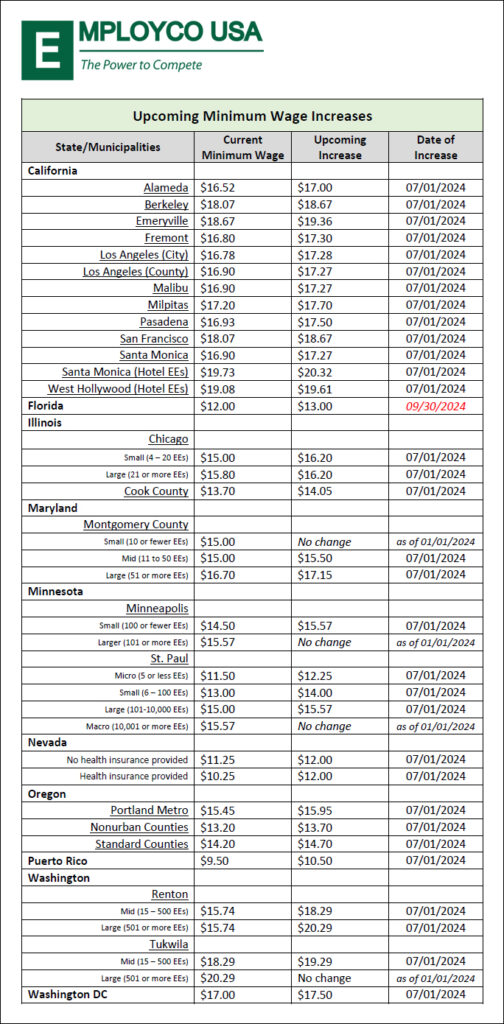
The minimum wage in 2024 varies significantly across U.S. states, reflecting differing economic conditions, cost-of-living adjustments, and legislative priorities.
While the federal minimum wage remains at $7.25 per hour, many states have enacted higher rates to better support low-income workers. Several states, including California and Washington, have set minimum wages above $15 per hour, while others continue to adhere to the federal baseline.
Additionally, numerous cities have implemented local minimum wages exceeding state levels. This patchwork of regulations creates a complex landscape for employers and employees alike, prompting ongoing debate about wage equity, inflation, and economic sustainability in an evolving labor market.
 Minimum wage in 2025 by state
Minimum Wage in 2024 by State: A Comprehensive Overview
In 2024, the minimum wage landscape across the United States continues to reflect significant disparities between federal standards and state-level legislation.
While the federal minimum wage remains at $7.25 per hour—a rate unchanged since 2009—many states have implemented higher rates to keep pace with rising costs of living and inflation. As of January 2024, over half of the states have established minimum wage rates above the federal floor, with some indexing their wages annually to inflation or scheduled to increase incrementally.
States like Washington, California, and Massachusetts lead the nation with minimum wages exceeding $15 per hour, while others such as Georgia and Wyoming technically allow employers to pay the lower federal rate, though most employees in those states are still subject to higher federal or local wage rules due to enterprise coverage. Local ordinances in major cities, including Seattle, San Francisco, and New York City, often push minimum compensation even higher, creating a complex patchwork of wage standards.
This variation underscores the growing role of state and local governments in labor policy, particularly as legislative efforts to raise the federal minimum wage remain stalled in Congress. Workers, employers, and policymakers must navigate this diverse terrain, balancing economic equity with business sustainability.
 minimum wage 2023 by state
States with the Highest Minimum Wage in 2024
In 2024, several states have set some of the highest minimum wage rates in the nation, driven by legislative action and voter initiatives aimed at addressing economic inequality and housing affordability.
Washington State leads with a minimum wage of $16.28 per hour, followed closely by California at $16.00 for all business sizes and Massachusetts at $15.75. These rates reflect cost-of-living adjustments and political commitments to ensuring a living wage for low-income workers.
Additionally, states like Connecticut ($15.69), New Jersey ($15.49), and Illinois ($15.20) have also reached or are approaching the $15 threshold, signaling a broader national momentum toward higher wage standards.
Some of these states implement annual adjustments based on the Consumer Price Index (CPI), automatically increasing wages to counter inflation, which provides greater predictability for both workers and employers.
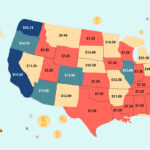 Minimum wage 2025 by state chart
These elevated minimum wages are particularly impactful in urban centers and high-cost areas, although they also raise concerns among small business owners about labor costs and competitiveness.
States with Minimum Wage Tied to the Federal Rate
Despite growing momentum for higher wages, several states continue to maintain a minimum wage equal to the federal rate of $7.25 per hour, creating challenges for low-wage workers in areas with rising living costs.
States like Mississippi, Alabama, Tennessee, and Georgia do not have state-level minimum wage laws, meaning the federal rate applies unless overridden by local ordinances or business-specific regulations such as those under the Fair Labor Standards Act (FLSA).
In practice, many employees in these states still earn above $7.25 due to federal coverage of larger enterprises or participation in multi-state business operations. However, workers in smaller, private-sector businesses—particularly in rural or underserved communities—may remain trapped at this outdated wage level.
 Find experienced workers' compensation appeal attorneys near me
Advocacy groups argue that reliance on the federal minimum, unchanged since 2009, fails to meet basic needs and perpetuates poverty-level earnings, especially in areas where housing and healthcare costs have surged. This gap highlights the urgent need for either state-level reforms or a modernized federal standard to ensure equitable compensation across regions.
Projected Changes and Future Trends in State Minimum Wages
Looking ahead, multiple states have already passed legislation to increase their minimum wage incrementally through 2024 and beyond, often as part of broader economic equity initiatives.
For example, Delaware raised its rate to $12.30 in 2024 with scheduled increases aiming for $15.00 by 2025, while Minnesota introduced a tiered system based on business size, reaching $10.59 for large employers and moving toward $15.00 by 2026.
Other states like Ohio and Arizona adjust their rates annually based on inflation, using the CPI-W (Consumer Price Index for Urban Wage Earners) to maintain purchasing power.
Additionally, several states—including Kentucky and Missouri—are considering ballot measures or legislative proposals to raise wages above current levels, reflecting growing public support for a living wage.
The trend indicates a continued decentralization of wage policy, with states increasingly taking the lead in labor standards. This shift underscores the need for businesses operating across state lines to stay informed about regional changes and prepare for evolving compliance requirements.
| State | 2024 Minimum Wage ($/hr) | Federal Minimum Wage Applies? | Notes |
|---|---|---|---|
| Washington | 16.28 | No | Highest state minimum wage in the U.S. |
| California | 16.00 | No | Applies to all business sizes as of 2024. |
| Massachusetts | 15.75 | No | Set to increase to $16.00 in 2025. |
| Connecticut | 15.69 | No | Increases tied to inflation. |
| New Jersey | 15.49 | No | Tied to CPI adjustments. |
| Illinois | 15.20 | No | Rate varies by county in some areas. |
Frequently Asked Questions
What is the federal minimum wage in 2024?
The federal minimum wage in 2024 remains $7.25 per hour, unchanged since 2009. However, many states have set higher minimum wages, and employers must pay the higher state rate when it exceeds the federal level. Some localities also have their own minimum wage laws. Workers are entitled to the highest applicable minimum wage based on their location and employment conditions.
Which states have the highest minimum wage in 2024?
As of 2024, Washington state has the highest minimum wage at $16.75 per hour. California follows closely at $16.00 per hour for all employers, with some cities like Los Angeles and San Francisco having even higher rates. Massachusetts and Connecticut also have minimum wages above $15. These states regularly adjust their rates for inflation, ensuring greater purchasing power for low-wage workers.
Are there states with no state minimum wage law in 2024?
Yes, in 2024, five states—Alabama, Louisiana, Mississippi, South Carolina, and Tennessee—do not have a state minimum wage law. In these states, the federal minimum wage of $7.25 per hour applies. Employers covered by the Fair Labor Standards Act must still comply with federal standards. Some local governments in these states may set higher wages, but such cases are rare.
How are minimum wage rates determined in each state?
Minimum wage rates in each state are determined by state legislation or ballot initiatives, often influenced by cost of living, inflation, and economic conditions. Many states have scheduled annual increases tied to inflation indexes. Legislative bodies debate and pass laws to adjust the wage, while some states allow voters to approve increases through referendums, ensuring public involvement in the process.
Leave a Reply