
Is minimum wage different by state
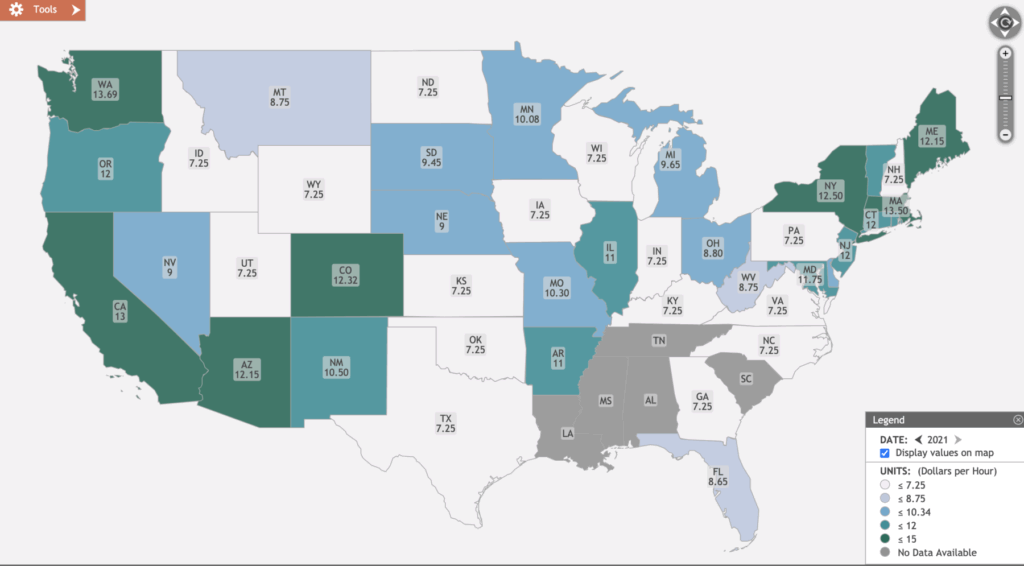
Minimum wage laws in the United States vary significantly from state to state, creating a complex patchwork of wage standards across the country. While the federal government sets a baseline minimum wage, many states choose to establish their own rates, often higher than the federal level.
Factors such as cost of living, local economic conditions, and state legislation influence these differences. Some states adjust their minimum wage annually for inflation, while others have not increased theirs in years.
This variation impacts workers, businesses, and regional economies differently, sparking ongoing debate about fairness, affordability, and economic competitiveness in labor markets nationwide.
 Ny workers compensation lookup
Is Minimum Wage Different by State?
Yes, the minimum wage varies significantly from state to state across the United States, reflecting differences in cost of living, local economic conditions, and legislative priorities.
While the federal government sets a baseline minimum wage, individual states have the authority to establish their own minimum wage rates—either higher than, equal to, or, in some cases, lower than the federal standard (though workers are always entitled to the higher of the two rates when applicable).
As of 2024, numerous states have enacted minimum wages that exceed the federal rate of $7.25 per hour, with several states like Washington and California boasting some of the highest rates in the nation—over $15 per hour in many cases.
Some states also have different minimum wage rules for tipped employees, youth workers, or small businesses, further contributing to the complexity and variation. Additionally, cities and counties in certain states may set even higher minimum wages tailored to local economic needs, such as Seattle or San Francisco, which have implemented local option minimum wages.
 Ohio workers compensation true up
This decentralized system results in substantial differences in minimum wage rates depending on where a worker lives, making it essential for both employees and employers to understand the specific regulations in their jurisdiction.
How Does the Federal Minimum Wage Compare to State Rates?
The federal minimum wage, currently set at $7.25 per hour since 2009, serves as a national floor, but it is not adjusted annually for inflation or changes in the cost of living. In contrast, many states have taken action to set higher minimum wages to better reflect local economic conditions.
For example, states like California and Massachusetts have minimum wages exceeding $15 per hour, while others, such as Georgia and Wyoming, officially set rates below the federal level—but in practice, employers in those states must still pay the higher federal rate unless an exception applies. Some states automatically increase their minimum wage each year based on inflation through indexing, whereas others require legislative action to make changes.
This variation means that a worker’s earning potential can differ greatly depending on geographic location, even for similar jobs. As a result, workers in high-cost urban areas benefit from higher state-mandated wages, helping to offset elevated living expenses compared to rural areas.
 Philadelphia workers compensation law firm
Which States Have the Highest and Lowest Minimum Wages?
As of 2024, the states with the highest minimum wages include Washington ($16.28/hour), California ($16.00/hour for businesses with 26 or more employees), and Massachusetts ($15.75/hour), reflecting strong legislative efforts to support worker income amid high costs of living. Conversely, states with the lowest legally permitted minimum wages include Georgia and Wyoming, both of which maintain a state minimum wage of $5.15 per hour.
However, because this is below the federal minimum, most workers in these states are still entitled to earn $7.25 per hour under the Fair Labor Standards Act (FLSA). A few states, such as Alabama and Louisiana, do not have any state-level minimum wage law, meaning the federal rate automatically applies.
It's important to note that even within states with lower baseline rates, certain cities or counties may enact higher local minimum wages, creating a patchwork of standards. This disparity emphasizes the importance of knowing not just state, but also local wage laws.
What Factors Influence State Minimum Wage Decisions?
Multiple factors influence how states determine their minimum wage policies, including the local cost of living, economic growth, labor market conditions, political ideology, and pressure from advocacy groups. States with high living expenses—such as those on the West Coast or in the Northeast—are more likely to adopt higher minimum wages to help workers afford housing, healthcare, and transportation.
Inflation and consumer price increases also prompt some states to index their minimum wage to inflation, ensuring automatic annual adjustments. Public opinion and labor movements play a significant role, with campaigns like Fight for $15 successfully influencing legislation in several states.
Additionally, economic studies on the impact of wage increases on employment and small businesses are often cited in legislative debates. Ultimately, the decision to raise, lower, or maintain the minimum wage is shaped by a complex interplay of economic reality and policy goals unique to each state.
| State | Minimum Wage (2024) | Notes |
|---|---|---|
| Washington | $16.28 | Highest state minimum wage; adjusted annually for inflation. |
| California | $16.00 (large employers) | Rate varies slightly by employer size; some cities higher. |
| Massachusetts | $15.75 | Planned increases to reach $18 by 2027. |
| New York | $15.00–$16.00 | Varies by region (e.g., NYC vs. upstate). |
| Texas | $7.25 | Follows federal minimum; no state rate above federal. |
| Georgia | $5.15 | Workers covered by FLSA receive $7.25. |
| Wyoming | $5.15 | Federal rate applies for most employees. |
| Alabama | No state minimum wage | Federal rate of $7.25 applies. |
Frequently Asked Questions
Is the minimum wage the same in all U.S. states?
No, the minimum wage is not the same in all U.S. states. While the federal government sets a baseline minimum wage, individual states can establish their own higher rates. Some states follow the federal rate, while others have laws mandating higher wages. Employers must pay the higher of the two rates when state and federal minimum wages differ, ensuring workers receive greater protection under local laws.
Why do some states have higher minimum wages than others?
States set higher minimum wages to address differences in the cost of living, inflation, and economic conditions. Urban areas with high housing and living expenses often require higher wages to support basic needs. State governments may increase minimum wages to reduce poverty, boost worker morale, and stimulate local economies. Public opinion and political leadership also influence decisions on wage levels beyond the federal standard.
What happens if a state’s minimum wage is lower than the federal rate?
If a state’s minimum wage is lower than the federal rate, the higher federal rate applies. Employers must follow the standard that most benefits the employee. However, most states with lower rates have aligned with or exceeded the federal minimum wage. Workers are always entitled to receive at least the highest applicable minimum wage, whether set by federal, state, or local law.
Can cities set their own minimum wage above state levels?
Yes, many cities can set minimum wages higher than both state and federal levels, depending on state laws. Local governments in places like Seattle, San Francisco, and New York City have implemented higher wages to reflect local economic conditions. However, some states have passed laws preventing cities from setting their own rates, a policy known as preemption, which limits local control over wage regulations.
Leave a Reply