
How can social workers help undocumented immigrants
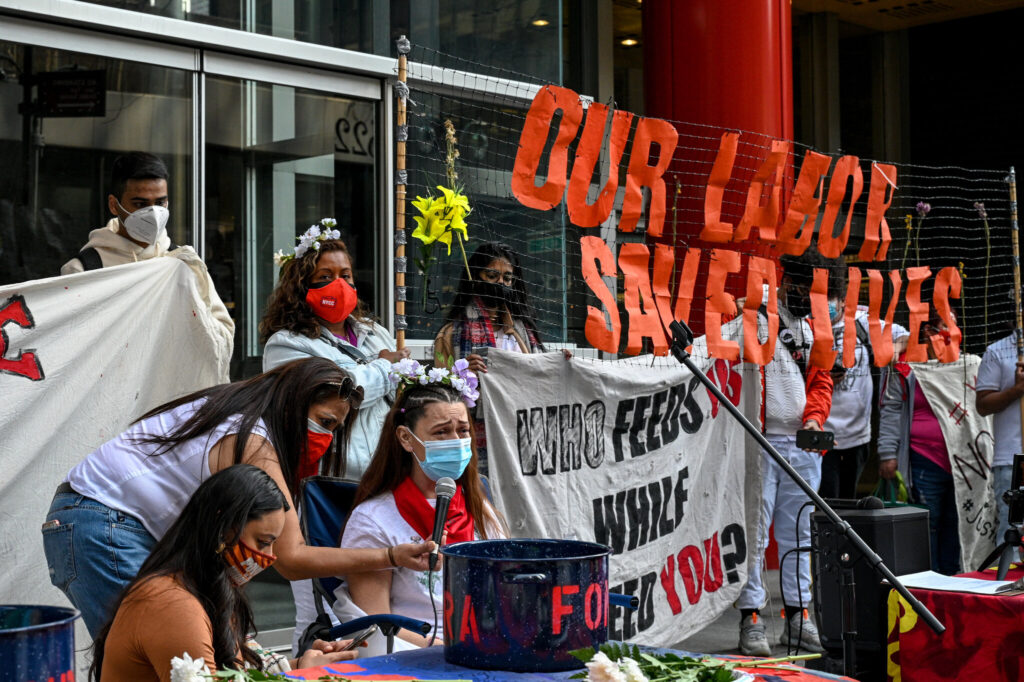
Social workers play a vital role in supporting undocumented immigrants as they navigate complex social, legal, and healthcare systems.
With deep empathy and cultural competence, these professionals provide essential services, including trauma-informed counseling, housing assistance, and access to medical care and education. They connect individuals to community resources, advocate for their rights, and help reduce the isolation and fear often experienced by undocumented populations.
By understanding immigration policies and offering case management, social workers empower clients to make informed decisions. Their commitment to social justice ensures that even the most vulnerable receive dignity, support, and a path toward stability.
 How can social workers help undocumented immigrants
Social workers play a vital role in supporting undocumented immigrants by addressing their complex social, emotional, and systemic challenges. These professionals operate from an ethics-based framework that prioritizes human dignity, social justice, and the right to equitable services regardless of immigration status.
They serve as advocates, connectors to essential resources, and trusted guides through unfamiliar systems. By fostering trust within immigrant communities, social workers help reduce fear and isolation, offering support in accessing healthcare, mental health services, housing, and legal referrals.
Their culturally competent and trauma-informed approaches are essential in helping undocumented individuals and families navigate life in a new country while confronting systemic barriers such as discrimination, language gaps, and limited access to public benefits.
Providing Direct Access to Essential Services
Social workers help undocumented immigrants access basic human needs such as food, shelter, healthcare, and education by connecting them with nonprofit organizations, community clinics, and legal aid providers. They conduct comprehensive assessments to identify individuals’ immediate and long-term needs and then develop personalized care plans using available community resources.
 How do social workers help immigrants
For instance, a social worker might guide a recently arrived undocumented family to a local food pantry, assist them in enrolling children in public schools (which is a right regardless of immigration status), or help a pregnant woman access prenatal care through sliding-scale clinics.
Their expertise in navigating fragmented social service systems ensures that vulnerable populations do not fall through the cracks, even when they are excluded from federal programs like Medicaid or SNAP.
Advocating for Rights and Policy Change
Beyond one-on-one support, social workers engage in systemic advocacy to challenge unjust policies and promote the rights of undocumented immigrants.
They work with community organizations, participate in coalitions, and lobby for legislation that enhances access to services, protects due process, and supports pathways to citizenship. Social workers use their firsthand knowledge of clients’ struggles to inform policymakers and raise public awareness about the realities undocumented immigrants face.
 How can social workers help immigrants
They also offer know-your-rights workshops in immigrant communities, educating individuals on how to respond to immigration enforcement encounters while maintaining dignity and safety. This dual role—direct service and advocacy—positions social workers as powerful allies in the movement for immigrant justice.
Offering Mental Health and Trauma-Informed Support
Many undocumented immigrants experience chronic stress, anxiety, and trauma due to the circumstances of migration, family separation, and fear of deportation.
Social workers provide crucial mental health counseling using trauma-informed practices that recognize the psychological toll of displacement and marginalization. They create safe, confidential spaces where clients can process complex emotions, build resilience, and develop coping strategies.
Culturally sensitive therapy approaches help bridge language and cultural gaps, ensuring that treatment is both effective and respectful. By addressing mental health needs, social workers not only improve individual well-being but also strengthen families and communities, enabling undocumented immigrants to engage more fully in their new lives despite ongoing challenges.
 How can social workers help immigrant families
| Area of Support | How Social Workers Help | Key Tools/Approaches |
|---|---|---|
| Basic Needs | Connect immigrants with food banks, shelters, healthcare, and educational enrollment | Resource coordination, community partnerships, needs assessment |
| Legal & Rights Education | Refer to immigration attorneys, provide know-your-rights training, help with asylum applications | Legal referrals, advocacy, collaboration with legal aid groups |
| Mental Health | Offer counseling, trauma support, and stress management strategies | Therapeutic interventions, culturally competent care, bilingual services |
| Policy Advocacy | Push for inclusive legislation, fight discriminatory practices | Community organizing, public testimony, coalition building |
Addressing Barriers to Essential Services for Undocumented Immigrants
Social workers play a crucial role in helping undocumented immigrants overcome systemic and structural barriers that limit their access to essential services such as healthcare, housing, education, and mental health support.
By leveraging their knowledge of social systems and community resources, social workers provide advocacy, conduct needs assessments, and guide individuals through complex bureaucratic processes, often serving as a bridge between vulnerable populations and service providers. They operate from an ethical framework that emphasizes dignity, equity, and social justice, allowing them to challenge discriminatory practices while creating safer environments for undocumented clients.
Their ability to build trust within immigrant communities enables them to identify unmet needs and deliver culturally competent interventions that consider language, trauma, and cultural background.
Providing Access to Mental Health Services
Social workers are essential in connecting undocumented immigrants with mental health services, particularly due to the high rates of trauma, anxiety, and depression resulting from migration experiences, family separation, and fear of deportation.
 How many undocumented workers in florida
With training in trauma-informed care, they offer counseling, crisis intervention, and referrals to bilingual and culturally sensitive providers, often working within community-based organizations that serve immigrant populations.
They prioritize creating safe spaces where clients feel heard and validated, reducing stigma and encouraging help-seeking behavior. Furthermore, social workers advocate for policies that expand mental health coverage regardless of immigration status, ensuring long-term equity in psychological support.
While social workers are not lawyers, they play a supportive role in helping undocumented immigrants understand and navigate the complexities of the U.S. immigration system.
They collaborate with legal aid organizations to connect clients with qualified immigration attorneys, assist in gathering documentation for asylum claims or visas like the U visa or T visa, and educate individuals about their rights.
Social workers also provide psychosocial evaluations often required in court cases, offering expert testimony on trauma and persecution. Their advocacy helps reduce confusion and fear, empowering immigrants to pursue legal remedies without facing emotional or logistical isolation.
Connecting Families to Basic Needs and Resources
One of the most tangible ways social workers assist undocumented immigrants is by linking families to basic needs such as food, shelter, and childcare through community programs, food pantries, and emergency relief funds. They conduct thorough assessments to identify immediate risks, such as homelessness or food insecurity, and coordinate with local nonprofits and faith-based organizations to provide timely aid. In many cases, social workers help families apply for services that do not require legal status, such as emergency medical care or public school enrollment. Their intervention ensures that even in the absence of federal eligibility, individuals can access critical support systems that promote stability and well-being.
Social workers engage in macro-level advocacy to challenge unjust immigration policies and promote systemic change that protects the rights of undocumented immigrants.
Through grassroots organizing, public education campaigns, and lobbying at local and national levels, they work to influence legislation related to immigration reform, detention practices, and access to public benefits.
Grounded in social work ethics, they speak out against policies that perpetuate fear, family separation, and institutional discrimination. By amplifying the voices of undocumented communities, social workers help shift public narratives and advance social justice in both policy and practice.
Offering Culturally Competent and Language-Informed Support
To effectively serve undocumented immigrants, social workers prioritize cultural competence and linguistic accessibility by learning about clients’ cultural backgrounds, belief systems, and communication styles.
They often use professional interpreters or provide services in multiple languages to eliminate language barriers and ensure accurate understanding.
This culturally responsive approach fosters mutual respect and trust, improving engagement and treatment outcomes. Social workers also educate other providers on cultural humility, advocating for institutions to adopt inclusive practices that honor diversity and reduce bias in service delivery.
Frequently Asked Questions
Social workers help undocumented immigrants access food, shelter, clothing, and hygiene resources through local nonprofits, shelters, and community programs.
They connect individuals to emergency assistance, food pantries, and housing services that do not require legal documentation. By assessing each person’s circumstances, social workers create personalized plans to meet immediate needs while preserving dignity and safety in vulnerable situations.
Yes, social workers offer counseling and trauma-informed care to undocumented immigrants facing anxiety, depression, or PTSD from migration experiences or fear of deportation.
They provide therapy in safe, confidential settings and may refer clients to bilingual or culturally competent mental health professionals. Social workers also lead support groups to reduce isolation and build community resilience among undocumented individuals and families.
Social workers connect undocumented immigrants with qualified immigration attorneys, legal aid organizations, and Know-Your-Rights workshops.
While they don’t provide legal advice, they help clients understand their rights, complete forms, and prepare for court hearings. They also advocate for humane treatment within the immigration system and assist survivors of violence in obtaining protective visas like the U visa or VAWA.
Social workers advocate for fair immigration policies by working with advocacy groups, testifying before lawmakers, and raising public awareness about immigrant struggles.
They promote inclusive legislation that protects human rights regardless of status. Through community organizing and education, they challenge systemic barriers and support campaigns for pathways to citizenship, access to healthcare, and protection from workplace exploitation for undocumented populations.
Leave a Reply