
How can social workers help immigrants
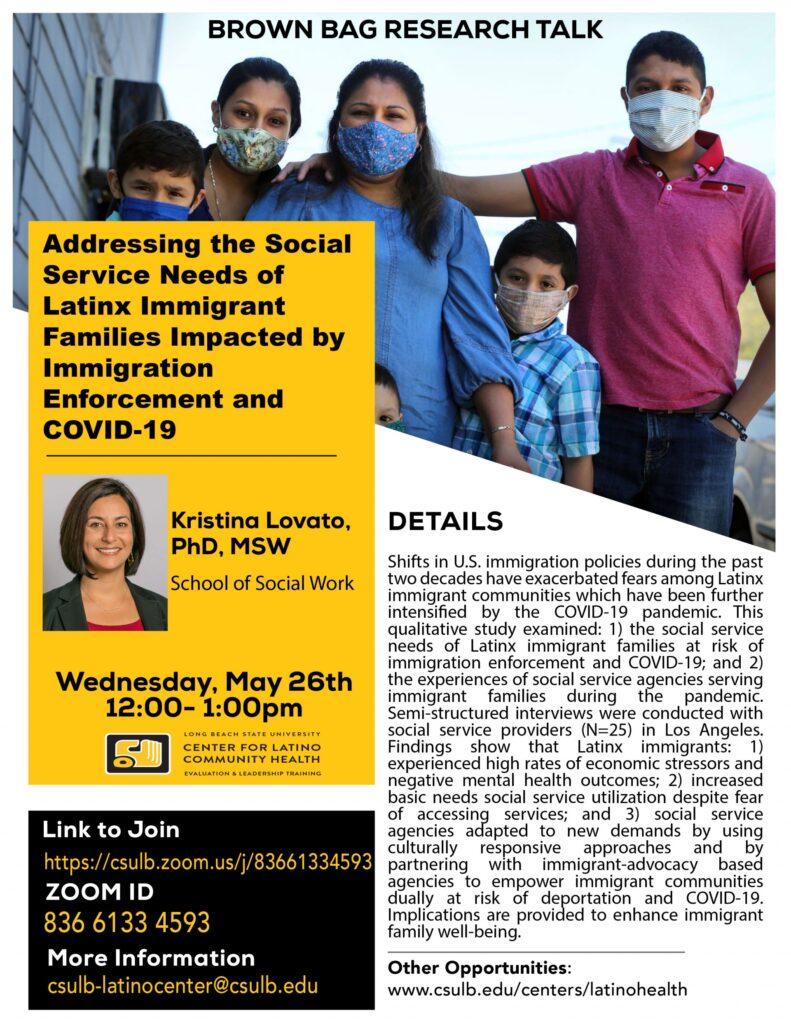
Social workers play a vital role in supporting immigrants as they navigate the challenges of adjusting to a new country. From language barriers and cultural adaptation to legal complexities and access to essential services, immigrants often face overwhelming obstacles.
Social workers provide critical assistance by connecting individuals and families with resources such as housing, healthcare, education, and employment programs. They advocate for immigrant rights, offer mental health counseling, and help clients understand their legal options.
Through culturally sensitive practices and trauma-informed care, social workers empower immigrants to build stable, fulfilling lives while promoting inclusion and equity within communities. Their work is essential in fostering resilience and opportunity for immigrant populations.
 How can social workers help undocumented immigrants
Social workers play a vital role in supporting immigrants as they navigate the challenges of resettlement, cultural adaptation, and access to essential services in a new country.
These professionals serve as advocates, connectors, and guides, helping immigrants overcome systemic barriers related to language, legal status, employment, healthcare, and education. With a strong foundation in cultural competence and social justice, social workers provide individualized support while also working to address broader structural inequities.
They operate in diverse settings such as community organizations, schools, healthcare facilities, and immigration legal services, delivering services ranging from mental health counseling to resource coordination. Their holistic approach ensures that immigrants are not only surviving but also empowered to thrive in their new environments.
Providing Access to Essential Resources and Services
Social workers help immigrants gain access to essential resources such as housing, food assistance, healthcare, and employment services by connecting them with community programs and government agencies.
 Trump's immigration policy reversal confuses businesses and worries workers
They conduct needs assessments to understand each individual's or family’s situation and then develop personalized service plans. For example, a social worker might assist an immigrant family in applying for SNAP benefits, enrolling children in school, or locating affordable housing.
This case management role is crucial, especially when immigrants face confusion due to unfamiliar systems or language barriers. By serving as a bridge between immigrants and service providers, social workers ensure that basic human needs are met and that individuals can stabilize their lives during the critical early stages of resettlement.
Offering Mental Health and Emotional Support
Many immigrants experience trauma, anxiety, depression, or acculturation stress due to the migration process, separation from family, or experiences of discrimination.
Social workers are trained to provide culturally sensitive mental health counseling and emotional support to address these challenges. They may offer individual or group therapy, facilitate support groups for refugee women or unaccompanied minors, or collaborate with interpreters to ensure therapeutic effectiveness across language barriers.
 Trump administration cancels humanitarian parole affecting immigrant workers
Moreover, they help clients build resilience by validating their experiences and fostering coping strategies. Their intervention is essential in promoting psychological well-being, which in turn supports successful integration and long-term adjustment in the host country.
Advocating for Immigrant Rights and Policy Change
Beyond direct services, social workers advocate for the rights of immigrants at organizational, community, and policy levels.
They engage in legislative advocacy to promote fair immigration policies, fight against detention and deportation practices that harm families, and push for inclusive access to education and healthcare regardless of immigration status. Social workers also educate the public to combat xenophobia and promote cultural understanding.
In legal settings, they may collaborate with immigration attorneys to provide psychosocial affidavits that support asylum claims based on trauma or persecution. Through systemic advocacy, they work to create a more just and equitable society where immigrants can live with dignity and security.
| Area of Support | Key Actions by Social Workers | Impact on Immigrants |
|---|---|---|
| Resource Access | Connecting to housing, food programs, healthcare, and job training | Stabilization of basic needs and reduced vulnerability |
| Mental Health | Providing counseling, trauma-informed care, and support groups | Improved emotional well-being and coping skills |
| Advocacy & Policy | Engaging in legislative efforts and public education campaigns | Enhanced rights protection and systemic inclusion |
| Cultural Mediation | Facilitating communication and understanding between cultures | Greater social integration and reduced isolation |
Frequently Asked Questions
Social workers offer immigrants emotional, practical, and systemic support. They help with accessing healthcare, housing, education, and mental health services. They also assist in navigating legal systems and connecting with community resources.
Through advocacy and case management, social workers empower immigrants to adapt to new environments, overcome cultural barriers, and build stable lives while promoting their rights and overall well-being in the host society.
Social workers help immigrants understand complex legal processes by connecting them with qualified immigration attorneys and legal aid services. They assist in completing forms, preparing for interviews, and accessing information about visas, asylum, or citizenship.
While they don’t provide legal representation, they offer guidance and emotional support throughout the process, ensuring immigrants feel informed, supported, and less overwhelmed by bureaucratic challenges.
Yes, social workers play a key role in connecting immigrants with healthcare and mental health resources. They assess medical and psychological needs, provide referrals to clinics, help enroll in insurance programs, and guide patients through language and cultural barriers.
Social workers also offer counseling for trauma, anxiety, or acculturation stress, ensuring immigrants receive compassionate, culturally sensitive care to improve their overall health and quality of life.
Social workers help immigrant families access education, childcare, housing, and food assistance programs. They advocate for children’s rights in schools and support parents in understanding the education system. They also intervene in cases of family separation, domestic violence, or child welfare concerns. By promoting family stability and connecting them with culturally appropriate services, social workers help immigrant families thrive and build strong, resilient communities.
Leave a Reply