
What percentage of migrant farm workers are undocumented

The exact percentage of undocumented migrant farm workers in the United States remains difficult to determine due to the transient nature of agricultural labor and gaps in comprehensive data collection. However, multiple studies and government reports suggest that a significant portion—often estimated between 50% and 70%—of farm workers may be undocumented immigrants.
These individuals play a vital role in the nation’s food production, often working long hours under challenging conditions for low wages. Their legal status impacts access to healthcare, labor protections, and housing, raising important questions about immigration policy, labor rights, and food system sustainability.
What Percentage of Migrant Farm Workers Are Undocumented in the United States?
The exact percentage of undocumented migrant farm workers in the United States is difficult to determine due to the transient nature of the workforce and the lack of comprehensive federal data.
 Percentage of farm workers undocumented
However, multiple studies and government reports suggest that a significant portion—often estimated between 50% and 75%—of the agricultural labor force in the U.S. consists of undocumented immigrants. According to the U.S.
Department of Agriculture (USDA) and the National Agricultural Workers Survey (NAWS), a long-running study by the U.S. Department of Labor, approximately 73% of farmworkers were undocumented in recent years. This percentage varies by region, crop type, and season, with higher concentrations in states like California, Florida, and Texas, where labor-intensive agriculture is prominent.
Factors such as the physically demanding nature of farm work, low wages, and U.S. labor shortages have contributed to reliance on immigrant labor, especially from Mexico and Central America. Migration patterns, border enforcement policies, and changes in immigration laws also influence these figures over time.
Estimates from Government and Research Sources
Data from the National Agricultural Workers Survey (NAWS), which has been collecting information on farm labor since 1988, consistently indicates that the majority of farmworkers in the U.S. were born in Mexico and many lack legal documentation.
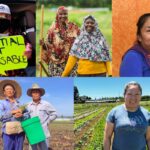 Florida undocumented workers agriculture
For example, NAWS data from 2019–2020 showed that approximately 73% of surveyed farmworkers were undocumented. The USDA and the Congressional Research Service have cited similar figures, noting that enforcement policies and economic conditions heavily affect these numbers.
While the survey does not cover every agricultural worker due to sampling limitations, it remains the most reliable source on farm labor demographics. Researchers emphasize that these estimates reflect both seasonal migrants and year-round workers, with undocumented individuals often employed in labor-intensive crops such as strawberries, tomatoes, and dairy.
Geographic and Agricultural Sector Variations
The percentage of undocumented farmworkers is not uniform across the U.S. and varies significantly by state and agricultural sector.
In California, which produces over a third of the country’s vegetables and two-thirds of its fruits and nuts, estimates suggest that up to 80% of farmworkers may be undocumented. In contrast, states like Washington or Michigan may have lower rates due to different hiring practices and access to legal guest worker programs such as the H-2A visa.
 Help for undocumented workers
Crops that require intensive hand labor, like lettuce, apples, and asparagus, are more likely to rely on undocumented labor because machine harvesting is not feasible and wages are often too low to attract U.S.-born workers. The H-2A program has grown substantially in recent years, but many farmers still depend on undocumented workers due to the program’s complexity, cost, and application delays.
Impact of Immigration Policies and Labor Demand
Immigration enforcement policies, changes in visa availability, and labor market demands directly influence the proportion of undocumented workers in agriculture.
Stricter border controls and workplace raids can temporarily reduce undocumented labor, but strong demand for farm labor often leads to continued reliance on unauthorized workers. In recent years, the expansion of the H-2A visa program has provided a legal pathway for temporary agricultural labor, but its administrative burden and high costs deter some small and mid-sized farms.
As of 2023, H-2A workers made up roughly 10–15% of the total farm labor force, indicating that a gap remains filled by undocumented labor. Advocacy groups argue for comprehensive immigration reform to stabilize the agricultural workforce, while industry representatives stress that without accessible legal labor options, farmers will continue to depend on undocumented workers to maintain production levels.
 How can social workers help undocumented immigrants
| Source | Estimated % Undocumented | Year Range | Key Insight |
|---|---|---|---|
| National Agricultural Workers Survey (NAWS) | 73% | 2019–2020 | Majority of farmworkers born in Mexico; consistent trend over decades. |
| U.S. Department of Agriculture (USDA) | 50%–75% | Ongoing estimates | Regional variation noted; higher in Western and Southern states. |
| Migration Policy Institute (MPI) | 70%–75% | 2020–2022 | Undocumented workers concentrated in perishable crop sectors. |
| Congressional Research Service (CRS) | Approx. 70% | 2023 | Rising H-2A use, but undocumented labor still fills critical gaps. |
Estimating the Proportion of Undocumented Workers in U.S. Agriculture
The exact percentage of undocumented migrant farm workers in the United States is difficult to determine due to the informal nature of much agricultural labor and limited official data collection. However, multiple studies and government reports suggest that between 40% and 70% of farmworkers in the U.S. are unauthorized immigrants, primarily from Mexico and Central American countries.
The U.S. Department of Agriculture (USDA) and the National Agricultural Workers Survey (NAWS) have consistently found that a large majority of hired crop workers are foreign-born, with a significant portion lacking legal authorization to work.
These workers are often employed in labor-intensive sectors such as fruit, vegetable, and dairy production, where reliance on low-wage, flexible labor remains high. Economic necessity, demand for seasonal labor, and challenges in obtaining legal visas contribute to the continued presence of undocumented workers in this essential industry.
Challenges in Accurately Measuring Undocumented Farmworker Populations
Accurate data on the undocumented status of farmworkers is difficult to obtain due to the underground nature of informal hiring and fear of deportation among workers.
 How do companies hire undocumented workers
Many migrant laborers are paid in cash or through subcontractors, bypassing official record-keeping, and participation in government surveys like NAWS may underrepresent the most vulnerable due to mistrust.
Additionally, definition discrepancies—such as the difference between "unauthorized," "undocumented," and "unauthorized but authorized to work under temporary programs"—further complicate estimates.
Immigration enforcement policies and regional variations in labor markets also mean that percentages can differ widely by state, crop type, and time of year, making it challenging to produce a single definitive figure.
The Role of the H-2A Visa Program in the Agricultural Labor Force
The H-2A visa program allows U.S. farmers to hire foreign workers for temporary agricultural jobs when there is a shortage of domestic labor.
While this program provides a legal pathway for guest workers, its complexity, costs, and administrative burden mean that not all farmers participate, leading many to rely on undocumented labor instead. The rapid growth in H-2A certifications in recent years reflects increased scrutiny on hiring practices and efforts to formalize the workforce, but it still represents a fraction of total agricultural employment.
Many workers initially enter legally through other means but overstay visas or shift to unauthorized status, while others cross the border without inspection, underscoring the gap between legal supply and labor demand.
Geographic and Crop-Specific Variations in Undocumented Farm Labor
The proportion of undocumented workers varies significantly by region and crop type. In states like California, Florida, and Washington, where labor-intensive crops such as strawberries, tomatoes, and apples dominate, estimates often show over 60% of farmworkers are undocumented.
In contrast, areas with more mechanized farming or proximity to legal guest worker hubs may have lower percentages.
Dairy farms in the Northeast and Midwest also report high reliance on undocumented labor, particularly for milking and animal care. These geographic and sectoral differences reflect disparities in enforcement trends, availability of legal workers, and local economic conditions, which shape employer hiring decisions.
Undocumented farmworkers play a critical role in maintaining the affordability and availability of fresh produce and other agricultural goods in the U.S.
Their labor supports an industry valued in the hundreds of billions of dollars, yet they often work under precarious conditions with low wages, limited benefits, and little job security. Deportation fears, language barriers, and lack of legal protections make them vulnerable to exploitation and abuse.
At the same time, their contributions highlight the structural reliance of U.S. agriculture on immigrant labor, raising questions about labor rights, immigration reform, and food system sustainability. Without policy changes, the agricultural sector may continue to depend on an unstable and marginalized workforce.
Policy Debates Surrounding Immigration and Agricultural Labor Reform
Debates over immigration reform frequently center on agriculture due to its heavy dependence on undocumented labor. Proposals such as creating a blue-card system for farmworkers, expanding the H-2A program, or offering a path to legal status for long-term workers aim to stabilize the labor force while protecting worker rights.
Opponents often cite concerns about amnesty and border security, while advocates emphasize the need for humane, practical solutions that reflect economic realities.
Legislative gridlock has prevented sweeping changes, leaving farmers, workers, and communities in limbo. Future reforms may need to balance enforcement, labor needs, and human rights to create a durable and ethical agricultural workforce.
Frequently Asked Questions
What percentage of migrant farm workers are undocumented in the United States?
Approximately 50% to 75% of migrant farm workers in the United States are undocumented, according to studies by the U.S. Department of Agriculture and the Pew Research Center. These estimates vary by region and agricultural sector.
Undocumented workers often fill essential roles in planting, harvesting, and processing crops, especially where labor shortages exist. Their immigration status makes them vulnerable to exploitation and limits access to labor protections and benefits.
How do researchers estimate the number of undocumented farm workers?
Researchers estimate the number of undocumented farm workers using data from government surveys like the National Agricultural Workers Survey (NAWS), Census data, and field studies. They analyze self-reported country of origin, citizenship status, and work authorization.
Because undocumented workers may be reluctant to disclose status, estimates often rely on statistical modeling and demographic trends. These methods help create reliable ranges but cannot provide exact figures due to the hidden nature of this population.
Why are so many migrant farm workers undocumented?
Many migrant farm workers are undocumented due to limited legal pathways for low-skilled agricultural immigration. Seasonal work often doesn’t qualify for available visas, and existing programs like the H-2A visa can be difficult for employers to navigate.
Workers from countries like Mexico and Central America often cross the border without authorization to meet labor demands. Economic necessity, poverty, and lack of opportunities in home countries also drive undocumented migration to U.S. farms.
What impact do undocumented farm workers have on U.S. agriculture?
Undocumented farm workers play a crucial role in U.S. agriculture, making up a significant portion of the labor force. They help maintain affordable food production by filling labor-intensive roles often avoided by domestic workers.
Their contributions support key sectors like fruits, vegetables, and dairy. However, their lack of legal status raises concerns about labor rights, wages, and working conditions. Restricting their employment could disrupt food supply chains and increase production costs.
Leave a Reply