
Minimum wage map by state
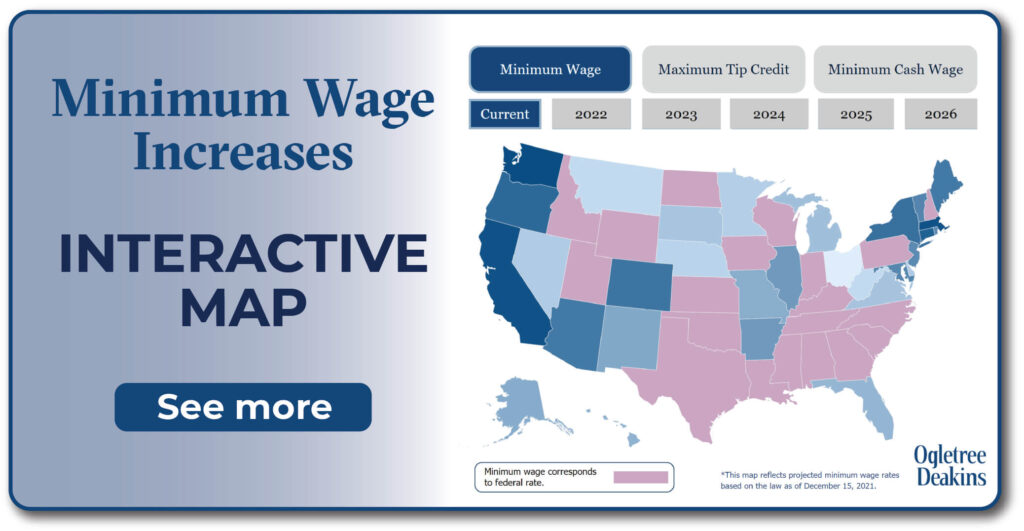
The minimum wage varies significantly across the United States, with each state setting its own standards, often differing from the federal mandate. A minimum wage map by state provides a clear, visual representation of these disparities, highlighting regions with higher labor costs and those adhering to the federal baseline.
As economic conditions, cost of living, and political climates differ, so do wage policies. Some states have implemented incremental increases, while others rely on the long-standing federal rate. This map serves as an essential tool for workers, employers, and policymakers to understand regional economic trends and assess wage equity across state lines.
Understanding the Minimum Wage Map by State in the United States
The minimum wage map by state in the United States illustrates the variations in hourly wage laws across different states, highlighting how workers’ earnings are affected depending on where they live.
 Georgia workers' compensation insurance requirement number of employees
While the federal minimum wage is set at $7.25 per hour, many states have established higher rates to better reflect the cost of living and economic conditions within their borders. This map serves as a crucial tool for employers, employees, policymakers, and researchers to understand wage disparities and labor market dynamics.
States like California and Washington have some of the highest minimum wages, exceeding $15 per hour, while others adhere to the federal baseline or have no state-level minimum wage at all. The map also reflects ongoing legislative efforts to raise wages in response to inflation and worker advocacy, making it an evolving representation of economic policy across the nation.
How State Minimum Wages Differ from the Federal Minimum Wage
While the federal minimum wage has remained unchanged at $7.25 since 2009, many states have enacted laws to set a higher minimum wage to better support workers amid rising living costs.
States like California, Massachusetts, and Washington have minimum wages well above the federal rate, with some exceeding $15 per hour. Other states, such as Georgia and Wyoming, officially have lower minimums, but due to the Fair Labor Standards Act (FLSA), employers must pay the higher federal rate if it exceeds the state’s.
 Geklaw public safety workers' compensation page
This creates a patchwork of wage standards across the country, making the minimum wage map by state an essential resource for understanding regional labor laws. The divergence reflects differing economic priorities and cost-of-living indices across states.
Factors Influencing State-Level Minimum Wage Decisions
Several factors influence why states set different minimum wage rates, including local cost of living, inflation rates, labor market conditions, and political climate. Urban areas with high living expenses, such as New York City or San Francisco, often push for higher wages to ensure workers can afford basic necessities.
In contrast, rural states with lower living costs may resist significant increases, citing concerns over impacts on small businesses and job growth. Voter initiatives, state legislation, and labor union advocacy also play pivotal roles in shaping these policies.
Additionally, some states have adopted automatic annual adjustments based on inflation, ensuring wages keep pace with economic changes, further contributing to the complexity visible in the minimum wage map.
 Goose creek workers compensation attorney
Visualizing Minimum Wage Data: U.S. State Comparison Table
The table below provides an up-to-date comparison of minimum wage rates across selected U.S. states, illustrating the significant variation in worker protections and economic policies.
| State | Minimum Wage (2024) | Federal Minimum Wage | Notes |
|---|---|---|---|
| California | $16.00 | $7.25 | Higher rate applies to all employers; scheduled annual increases |
| Washington | $16.28 | $7.25 | Includes automatic cost-of-living adjustments |
| New York | $15.00 - $16.00 | $7.25 | Varies by region and employer size |
| Texas | $7.25 | $7.25 | Follows federal minimum; no state minimum wage law |
| Florida | $12.00 | $7.25 | Set to increase annually until reaching $15 in 2026 |
| Mississippi | $7.25 | $7.25 | No state minimum wage; defaults to federal rate |
Frequently Asked Questions
What is a minimum wage map by state?
A minimum wage map by state is a visual representation showing the current minimum hourly wage in each U.S. state. It helps users quickly compare wage rates across regions, highlighting differences between state and federal levels. These maps are often color-coded for clarity and are updated regularly to reflect changes in legislation, making them useful for workers, employers, and policymakers.
Why do minimum wage rates vary by state?
Minimum wage rates vary by state due to differences in cost of living, local economic conditions, and state legislation. While the federal government sets a baseline, states can establish higher minimum wages to better meet local economic needs. Some states also index wages to inflation, while others have no state-level minimum, defaulting to the federal rate, leading to regional disparities.
How often are minimum wage maps updated?
Minimum wage maps are typically updated annually or whenever a state implements a new minimum wage law. Changes often take effect at the start of the calendar year, but some occur mid-year. Reliable sources, such as government labor departments or reputable economic websites, monitor legislative changes and update maps promptly to ensure accuracy for users seeking current wage information.
 Hospitals workers compensation
Where can I find a reliable minimum wage map by state?
Reliable minimum wage maps can be found on official government websites like the U.S. Department of Labor, as well as trusted sources such as the Economic Policy Institute or Ballotpedia. These platforms provide up-to-date, accurate data, often with interactive features, downloadable charts, and citations to state laws, ensuring users receive factual and comprehensive wage information across all states.
Leave a Reply