
Georgia workers' compensation insurance requirement number of employees
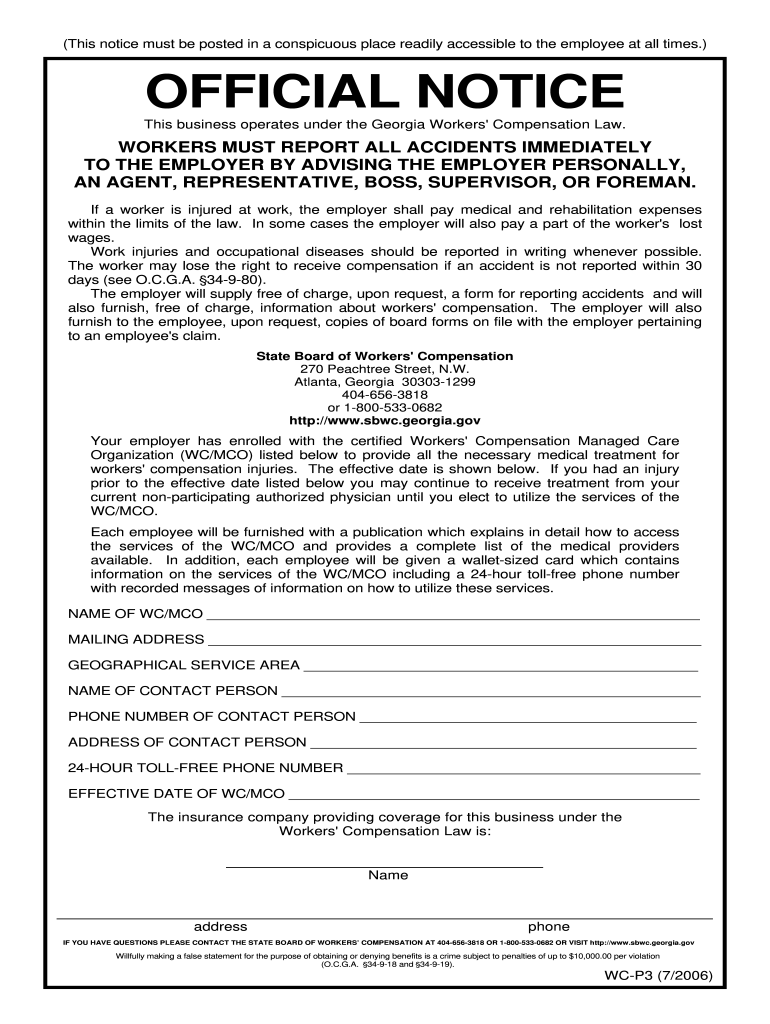
In Georgia, workers' compensation insurance is a legal requirement for most employers, with the threshold based on the number of employees.
Businesses that regularly employ three or more full-time or part-time workers must carry workers’ comp coverage, regardless of industry. This includes corporations, partnerships, and sole proprietorships. Even seasonal and temporary employees count toward the minimum. Failure to comply can result in penalties, fines, and potential legal liability for workplace injury costs.
Understanding the employee threshold is crucial for business owners to remain compliant with state regulations. Workers’ compensation provides essential benefits to employees injured on the job, helping cover medical expenses and lost wages.
 California workers' compensation insurance requirement employers
Georgia Workers' Compensation Insurance: Understanding the Employee Threshold Requirement
In the state of Georgia, workers' compensation insurance is a legal requirement for businesses that meet specific employee thresholds. According to Georgia law, any employer who regularly employs three or more full-time, part-time, or seasonal workers is required to carry workers’ compensation coverage.
This includes both corporations and sole proprietors with qualifying employees. The rule applies regardless of the industry or the number of hours worked, meaning even seasonal or temporary employees count toward the total.
Failure to comply can result in penalties, fines, and potential criminal charges. It's important to note that sole proprietors and independent contractors are generally not required to cover themselves under workers’ comp unless they elect to do so, and certain exceptions may apply depending on the nature of the business.
Who Counts Toward the Minimum Employee Requirement in Georgia?
In Georgia, all employees—full-time, part-time, and seasonal—are counted toward the three-employee threshold that triggers the workers’ compensation requirement. This inclusive definition means that even if a business employs two full-time workers and three seasonal workers during peak periods, the employer must maintain coverage during those times.
 California workers' compensation insurance requirement employers dir
The Georgia State Board of Workers' Compensation determines compliance based on regular employment patterns.
Importantly, independent contractors are typically excluded from the count, provided they meet legal criteria for contractor status. Employers should carefully evaluate worker classifications to avoid misclassification penalties and ensure compliance with state law.
Are There Exceptions Based on Business Type or Ownership?
Yes, certain exceptions exist regarding workers’ compensation requirements in Georgia based on business structure and ownership. For instance, sole proprietors and partners in a partnership are not required to cover themselves, nor are corporate officers in a closely held corporation—unless they choose to be included.
Additionally, some agricultural employers, domestic workers, and certain religious or charitable organizations may be exempt from the insurance mandate, depending on the number of employees and work nature.
 North carolina workers' compensation requirement number of employees
However, even exempt employers may opt into the system for liability protection. It's critical for business owners to understand their specific classification to determine if they are legally obligated to provide coverage.
What Are the Penalties for Failing to Comply with Georgia’s Workers’ Comp Rules?
Employers who fail to secure workers’ compensation insurance when required face significant penalties under Georgia law.
Operating without coverage when three or more employees are present is considered a misdemeanor, punishable by fines up to $1,000 and/or imprisonment for up to 12 months for first offenses. Subsequent violations may lead to harsher consequences.
The state can also issue an immediate work stoppage order, halting business operations until compliance is achieved. Furthermore, uninsured employers remain fully liable for injury-related costs, including medical bills and lost wages, with no protection from litigation. These penalties emphasize the importance of timely compliance and accurate employee tracking.
 Quote workers compensation insurance
| Situation | Required to Carry Workers’ Comp? | Notes |
|---|---|---|
| Employer with 3 or more employees (full-time, part-time, or seasonal) | Yes | Applies to all regular and temporary workers; seasonal spikes trigger coverage. |
| Sole proprietor with no employees | No | May elect to cover themselves voluntarily. |
| Corporation with 2 employees | No | Does not meet the 3-employee threshold. |
| Employer with misclassified workers as independent contractors | Potentially yes | State may reclassify, leading to back premiums and penalties. |
| Agricultural employer with 5 seasonal workers | Yes | Seasonal workers count toward the 3-employee rule. |
Georgia Workers' Compensation Insurance Requirements: Employee Threshold and Compliance Guidelines
What is the minimum number of employees required for workers' comp insurance in Georgia?
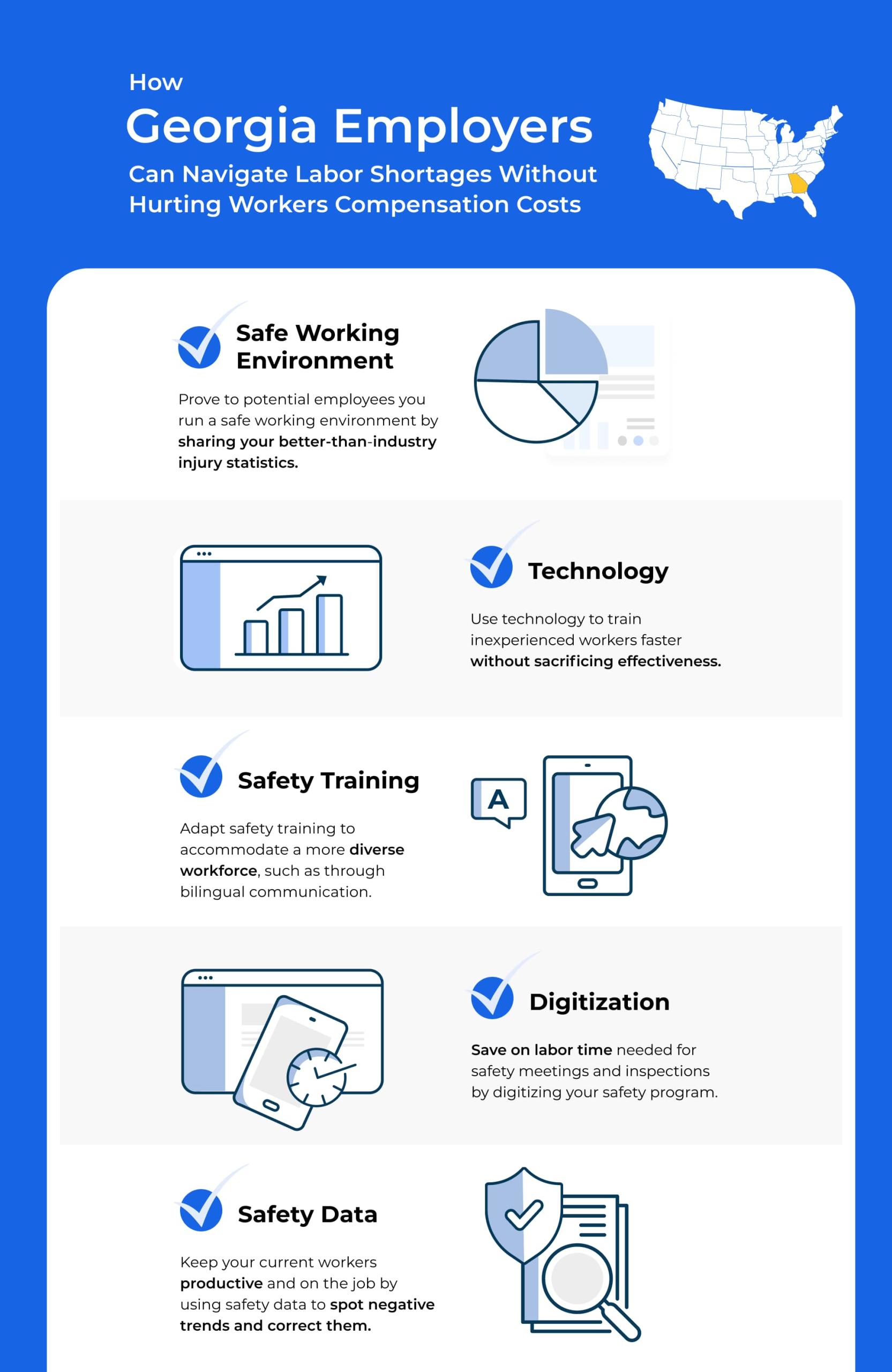
The minimum number of employees required for workers' comp insurance in Georgia is three. Under Georgia law, any business that employs three or more full-time, part-time, or seasonal workers must carry workers' compensation insurance. This requirement applies regardless of the nature of the employment—whether the workers are permanent, temporary, or casual.
The law is administered by the State Board of Workers’ Compensation. Even if a business operates with fewer than three employees, it is often advisable to carry coverage to protect against potential liability. However, legal obligation begins at the third employee.
Who Is Covered Under Georgia Workers’ Comp Insurance?
- All employees who work for an employer with three or more workers are covered, including full-time, part-time, and seasonal workers. This ensures broad protection across various types of employment arrangements within the state.
- Certain categories of workers, such as corporate officers and sole proprietors, may elect to exclude themselves from coverage, but they must file the appropriate documentation with the State Board of Workers’ Compensation to do so.
- Immigration status does not affect eligibility for benefits—any worker injured on the job is entitled to file a claim, provided the employer meets the insurance requirements and the injury occurs in the course of employment.
Penalties for Not Having Workers’ Comp Insurance in Georgia
- Employers who fail to carry workers’ compensation coverage when required can face significant penalties, including fines of up to $1,000 per day for each day they operate without coverage, as well as potential criminal charges.
- Businesses found without proper insurance may be ordered to cease operations until compliant coverage is obtained, which can disrupt workflow and damage business reputation.
- An uninsured employer is also fully liable for any medical costs and lost wages resulting from a work-related injury, exposing the business to substantial financial risk in the event of a claim.
Exceptions and Special Cases for Workers’ Comp in Georgia
- Some businesses in the construction industry may be required to carry workers’ comp insurance even with fewer than three employees due to contractual or licensing requirements, though legally the mandate starts at three.
- Independent contractors are not covered under an employer’s workers’ comp policy, but correctly classifying workers is crucial—misclassifying employees as contractors to avoid coverage can lead to penalties and audits.
- Agricultural employers may be subject to different thresholds and are sometimes exempt from standard workers’ comp mandates, but they must still comply with specific guidelines set forth by the state for injury reporting and employee protections.
What is the minimum number of employees required for workers' compensation insurance in Georgia?
Minimum Employee Threshold for Workers' Compensation in Georgia
In the state of Georgia, employers are legally required to carry workers' compensation insurance if they regularly employ three or more full-time, part-time, or temporary workers. This requirement applies regardless of whether the employees are full-time or seasonal.
 Workers compensation insurance new hampshire
Even if a business operates with fewer than three employees at certain times of the year, the obligation to maintain coverage begins as soon as the employer has three or more workers simultaneously.
It is important to note that failure to comply with this rule can result in penalties, fines, and potential criminal charges. Additionally, in industries such as construction, subcontractors and certain independent contractors may also be included in the employee count depending on the circumstances.
- Georgia state law mandates workers' compensation coverage for employers with three or more employees, regardless of employment type.
- The three-employee threshold includes full-time, part-time, and temporary workers, and counts all individuals working at the same time.
- Employers in high-risk industries such as construction must be especially diligent, as misclassifying workers can lead to violations even with fewer visible employees.
Exemptions and Special Cases in Georgia Workers' Comp Coverage
While the general rule applies to most employers, certain exemptions exist under Georgia law. Sole proprietors and partners in a partnership are not required to cover themselves under workers' compensation unless they choose to do so by filing a formal election with the State Board of Workers' Compensation.
Similarly, corporate officers may opt out of coverage, but at least one corporate officer must be covered if the company employs three or more people.
Additionally, agricultural workers and domestic employees in private homes may not be subject to the same requirements, depending on payroll size and work duration. It is crucial for business owners to carefully evaluate their workforce structure to determine if any exemptions apply.
- Sole proprietors and general partners are exempt from coverage but can elect to be included by filing the appropriate forms.
- Corporate officers may opt out, but one officer must remain covered if the business employs three or more workers.
- Agricultural and domestic workers may be excluded from the requirement based on the nature and scale of employment.
Consequences of Not Having Workers' Compensation Insurance in Georgia
Failing to obtain workers' compensation coverage when required is a serious violation in Georgia and is classified as a misdemeanor for each day the offense continues.
This means fines can accumulate daily, and business owners can face civil penalties as well as criminal prosecution. If an uninsured employee suffers a work-related injury, the employer becomes directly liable for medical expenses and lost wages, which can lead to significant financial exposure.
Furthermore, the State Board of Workers' Compensation has the authority to issue an injunction to halt business operations until proper insurance is secured, which can disrupt daily operations and harm the company's reputation.
- Each day without required insurance is considered a separate misdemeanor offense, leading to accumulating fines and potential jail time.
- Uninsured employers are personally responsible for paying all injury-related costs, including medical bills and lost wages.
- The state can legally shut down a business until workers' compensation coverage is obtained, affecting continuity and profitability.
Frequently Asked Questions
How many employees must a business have to require workers' compensation insurance in Georgia?
In Georgia, employers are required to carry workers' compensation insurance if they employ three or more full-time, part-time, or seasonal workers. This includes both incorporated and unincorporated businesses.
Even if a company has fewer than three employees, it may still be required to provide coverage if working in certain high-risk industries or under specific contract agreements. Failure to comply can result in fines and penalties.
Are sole proprietors and independent contractors required to have workers' compensation in Georgia?
Sole proprietors and independent contractors in Georgia are generally not required to carry workers' compensation insurance for themselves. However, if they have employees, the three-or-more-employee rule applies.
These business owners can choose to opt into coverage for themselves. Additionally, some clients or general contractors may require proof of coverage before awarding contracts, especially in construction and similar industries.
Does Georgia require workers' comp for part-time or temporary employees?
Yes, Georgia includes part-time, temporary, and seasonal workers when determining the three-employee threshold for workers' compensation insurance. All types of workers count toward the total, regardless of employment status or hours worked.
Once a business employs three or more individuals in any capacity, coverage is mandatory. This ensures that all workers receive protection for job-related injuries, promoting fairness and legal compliance across industries.
What happens if a Georgia employer fails to carry required workers' compensation insurance?
If a Georgia employer fails to carry required workers' compensation insurance, they may face penalties including fines up to $1,000 per day of noncompliance, potential criminal charges, and automatic suspension of business operations.
Injured employees could sue the employer directly for damages. Additionally, the employer may be placed on the state’s Non-Compliance List, affecting contracts and business reputation across the state.
Leave a Reply