
Minimum wage increases in 2025 by state
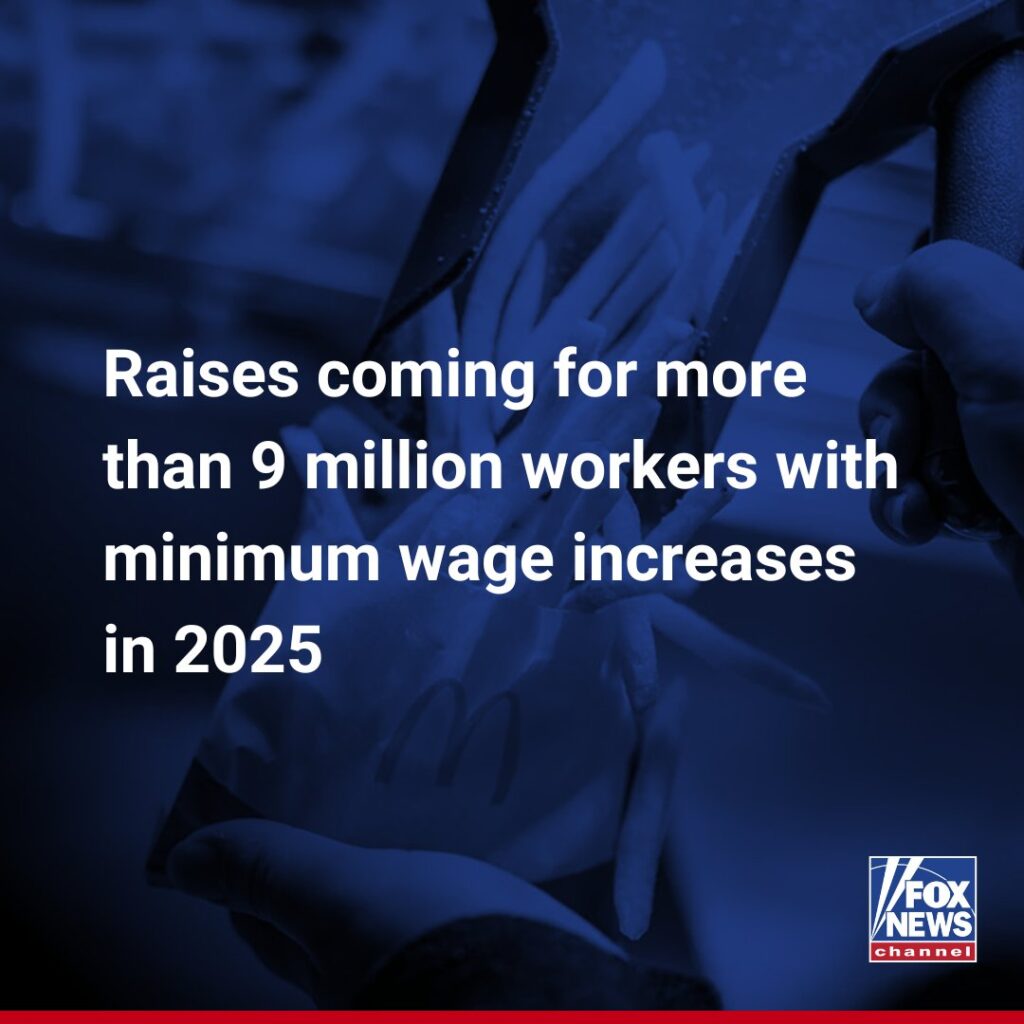
Minimum wage increases in 2025 are set to reshape the economic landscape across the United States as more than 20 states implement adjustments to hourly pay standards.
Driven by rising living costs and advocacy for fair wages, these changes reflect a growing push to ensure workers can meet basic financial needs. States like California, Washington, and Massachusetts lead with rates exceeding $15 per hour, while others adopt more modest hikes.
Local cost-of-living variations continue to influence the impact of these increases, sparking debate over equity and business sustainability. As employers prepare for new compliance requirements, workers anticipate improved income stability amid ongoing inflation concerns.
 2022 minimum wage increases by state
Minimum Wage Increases in 2025 by State: What Workers and Employers Need to Know
In 2025, numerous U.S. states are set to implement increases in their minimum wage rates, reflecting ongoing efforts to keep pace with rising living costs and inflation.
These adjustments are driven by a combination of legislative acts, voter-approved ballot initiatives, and pre-established cost-of-living escalation clauses tied to inflation metrics such as the Consumer Price Index (CPI). The changes vary significantly by state, with some areas raising wages incrementally according to scheduled plans, while others are enacting more substantial one-time hikes.
For low-wage workers, these increases could mean improved financial stability, while small businesses may face added pressure to adjust budgets or prices. Understanding the scope and timing of these changes is essential for payroll planning, compliance, and economic forecasting across various industries.
States with the Highest Minimum Wage Rates in 2025
By 2025, several states will lead the nation in minimum wage rates, with Washington, California, and Massachusetts expected to top the list. Washington is projected to raise its minimum wage to over $16.75 per hour, driven by its automatic annual adjustments based on inflation.
 Georgia workers compensation rates 2021
California will also reach approximately $16.50 per hour statewide, though many cities like San Francisco and Los Angeles, with their own local ordinances, will exceed $18.00. Massachusetts, following its phased increase law, is expected to hit $16.00.
These rates reflect a broader trend in high-cost-of-living states aiming to ensure that full-time workers can meet basic needs without relying on public assistance. Employers in these states—especially in hospitality, retail, and food services—must prepare for higher labor expenses.
States Implementing Minimum Wage Hikes Through Ballot Initiatives
Several states are advancing minimum wage increases through citizen-led ballot measures, demonstrating strong public support for fair wage policies.
In 2025, states like Nebraska, South Dakota, and Idaho—where voters approved gradual increases in recent years—will see their minimum wages rise as part of multi-year implementation plans. For example, Nebraska’s rate is scheduled to climb to $12.00 per hour by 2025 after incremental raises since 2023. Similarly, South Dakota’s initiative, passed in 2022, mandates increases culminating in $12.75 by 2025.
 Georgia workers' compensation insurance requirement number of employees
These state-level actions often aim to address wage stagnation in rural economies and support workers earning below the federal poverty line. Such initiatives underscore how grassroots movements are shaping labor standards in the absence of federal action.
States Without Minimum Wage Increases or Preempted Local Laws
While many states are moving toward higher minimum wages, others will maintain their current rates or lack mechanisms for future automatic adjustments.
In states such as Alabama, Louisiana, Mississippi, and Tennessee, there is no state-level minimum wage law, meaning the federal minimum wage of $7.25 per hour remains the default. Moreover, several states, including Texas, Florida, and Wisconsin, have laws that preempt local governments from setting their own, higher minimum wages, limiting the ability of cities to respond to regional economic conditions.
As a result, workers in urban areas with high living costs may continue to struggle, and advocates argue that these policies create significant wage disparities across state lines.
 Geklaw public safety workers' compensation page
| State | 2025 Minimum Wage | Basis for Increase | Notes |
|---|---|---|---|
| California | $16.50 | Legislative increase + inflation indexing | Higher rates in cities like San Francisco and San Diego |
| Washington | $16.75 (est.) | Inflation adjustment | Consistently among the highest state rates |
| Massachusetts | $16.00 | Phased legislative increase | Reached target after annual $0.75 hikes |
| Nebraska | $12.00 | Ballot initiative (2022) | Increased from $10.50 in 2023 |
| South Dakota | $12.75 | Ballot initiative (2022) | Final increase in multi-year plan |
| Florida | $13.00 | Ballot initiative (2020) | On track to reach $15.00 by 2026; local preemption applies |
| Texas | $7.25 | No state increase | No state minimum wage; follows federal rate; local preemption |
| Missippi | $7.25 | No state law | Relies entirely on federal minimum wage |
Frequently Asked Questions
Which states are increasing their minimum wage in 2025?
Several states including California, Washington, Massachusetts, and New York are set to increase their minimum wage in 2025. These adjustments are often part of scheduled increases or tied to inflation. Each state has its own timeline and rate, so workers should consult their state labor departments for specific details. Cities and counties may also have higher local minimum wages.
How much will the minimum wage increase in 2025?
The amount varies by state. For example, California plans to reach $16.50 per hour statewide in 2025, while Washington may adjust its rate to over $17 based on inflation. Increases are typically determined by legislation or cost-of-living adjustments. Exact figures will be confirmed closer to the year by individual state labor agencies.
Will the federal minimum wage increase in 2025?
As of now, there is no confirmed federal minimum wage increase scheduled for 2025. The current federal rate remains $7.25 per hour since 2009. However, proposed legislation may aim to raise it; any change would require Congressional approval and presidential signature. Most increases in 2025 are expected at the state level.
Do all cities and counties follow the state minimum wage in 2025?
No, many cities and counties have their own higher minimum wage laws. For example, Seattle and San Francisco often set wages above their state’s rate. Employers must follow the highest applicable wage—whether federal, state, or local. Workers should check local regulations to determine the correct minimum wage for their location in 2025.
 Goose creek workers compensation attorney
Leave a Reply