
minimum wage 2023 by state
The minimum wage in the United States varies significantly from state to state, reflecting differing economic conditions, cost of living, and legislative priorities. As of 2023, 30 states and the District of Columbia have implemented minimum wages above the federal rate of $7.25 per hour, a figure unchanged since 2009. States like California and Washington lead with hourly rates exceeding $15, while others adhere to the federal baseline or set modest increases. These disparities impact workers' livelihoods, business operations, and regional economies. This article explores the landscape of state minimum wages in 2023, examining recent changes, upcoming adjustments, and the ongoing debate surrounding fair pay.
Minimum Wage by State in 2023: A Comprehensive Overview
In 2023, the minimum wage in the United States continued to vary significantly from state to state, reflecting diverse economic conditions, cost of living, and political priorities. While the federal minimum wage remained at $7.25 per hour—a rate unchanged since 2009—many states established their own higher minimum wage rates to better support workers. As of 2023, over two dozen states implemented minimum wages above the federal floor, with some cities and counties going even further through local ordinances. These variations create a complex landscape for employers and employees alike, especially in border regions or multi-state businesses. Factors such as inflation, cost of living increases, and labor market pressures contributed to numerous states adjusting their rates at the beginning of the year. Understanding these differences is essential for workers advocating for fair pay and for businesses ensuring compliance with labor laws.
States with the Highest Minimum Wages in 2023
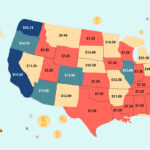
Several states led the nation in 2023 with the highest minimum wage rates, driven by efforts to keep pace with rising living costs and housing prices. Washington topped the list with a minimum wage of $15.74 per hour, thanks to annual cost-of-living adjustments based on inflation. California followed closely, setting its minimum wage at $15.50 per hour for all employers, regardless of size, after achieving a uniform rate across businesses. Massachusetts also joined the high-wage tier with $15.00 per hour, reflecting its strong labor protections and high urban expenses. In addition, states like Connecticut ($15.69) and New Jersey ($14.13) implemented significant increases through scheduled boosts or legislative action. These state-led initiatives demonstrate a growing movement toward ensuring workers earn a livable wage, especially in regions where the federal baseline is deemed insufficient.
 Minimum wage 2025 by state chart
States Still Tied to the Federal Minimum Wage
Despite widespread calls for wage reform, several states maintained the federal minimum wage of $7.25 per hour throughout 2023 due to either the absence of state-level legislation or deliberate policy choices. States such as Alabama, Louisiana, Mississippi, and South Carolina do not have a state-mandated minimum wage above the federal rate, meaning employers default to $7.25. In Tennessee and Idaho, where wage laws also mirror the federal standard, workers earn the same baseline unless covered by local exceptions—though such exceptions are rare in these regions. This creates a gap in economic equity, particularly in areas with rising costs but stagnant wages. Critics argue that adhering to the outdated federal rate fails to account for modern living expenses, while supporters claim it reduces the burden on small businesses and maintains economic competitiveness. However, advocates continue to push for updates, citing poverty rates and worker dependency on public assistance as key concerns.
Cost of Living and Its Impact on State Minimum Wage Policies
The cost of living plays a pivotal role in shaping minimum wage policies across states, influencing how much lawmakers believe workers need to earn to meet basic needs. States with high housing, healthcare, and transportation costs—such as California, New York, and Hawaii—tend to set higher minimum wages to maintain purchasing power and reduce financial strain on low-income households. Conversely, in states with lower living expenses like Arkansas or West Virginia, minimum wages may remain closer to the federal rate, though even these regions have seen gradual increases due to inflationary pressures. Many states now use automatic cost-of-living adjustments (COLAs) to index their minimum wage to inflation, ensuring wages rise with economic changes without requiring new legislation each year. This approach promotes wage stability and helps prevent erosion of real income, particularly during periods of high inflation, which was a major factor in 2023's wage recalibrations.
| State | 2023 Minimum Wage (per hour) | Notes |
|---|---|---|
| Washington | $15.74 | Highest in the nation; adjusted annually for inflation. |
| California | $15.50 | Uniform rate for all employers since 2023. |
| Massachusetts | $15.00 | Reached $15 after phased increases. |
| Connecticut | $15.69 (by mid-2023) | Phased increase to $15; adjusted for inflation. |
| New Jersey | $14.13 | Increases tied to cost of living. |
| Texas | $7.25 | Follows federal minimum; no state law above it. |
| Florida | $11.00 | On path to $15 by 2026 via voter-approved amendment. |
| Mississippi | $7.25 | No state minimum wage law. |
Frequently Asked Questions
What was the federal minimum wage in 2023?
The federal minimum wage in 2023 remained $7.25 per hour, unchanged since 2009. However, many states implemented higher minimum wages. Employers must follow whichever wage is higher—federal, state, or local. For non-exempt workers, the Fair Labor Standards Act (FLSA) sets this baseline, but state laws often provide greater protection and higher pay, especially in areas with high costs of living.
Which states had the highest minimum wage in 2023?
In 2023, Washington, D.C. had the highest minimum wage at $16.10 per hour, followed closely by Washington State at $15.74 and California at $15.50 for all employers. Massachusetts and Connecticut also exceeded $15. These rates reflect efforts to adjust for high living costs and inflation. Some cities have even higher local minimum wages, particularly in metropolitan areas with strong labor economies.
 State by state minimum wage 2017
Did all states increase their minimum wage in 2023?
No, not all states increased their minimum wage in 2023. While 28 states and Washington, D.C. adjusted their rates, some states kept their minimum wage unchanged. States like Mississippi and Alabama have no state-level minimum wage, so the federal rate of $7.25 applies. Others, such as Tennessee and Georgia, also default to the federal standard unless local ordinances set higher rates.
Can employers pay less than the state minimum wage under certain conditions?
Yes, in some cases. Employers may pay tipped employees less than the state minimum wage under a tip credit system, as long as tips bring total earnings to at least the minimum wage. Youth workers, student-learners, and individuals with disabilities may also be eligible for subminimum wages under specific federal or state programs. However, these exceptions vary by location and must comply with both state and federal labor laws.
 Hospitals workers compensation
Leave a Reply