
Osha standards for temperature in workplace
Maintaining appropriate temperature conditions in the workplace is a critical aspect of occupational safety and health. While the Occupational Safety and Health Administration (OSHA) does not specify exact temperature standards for all work environments, it mandates that employers provide a safe and comfortable workspace under the General Duty Clause of the Occupational Safety and Health Act.
Extreme heat or cold can lead to serious health risks, including heat stress, hypothermia, and decreased productivity. OSHA recommends a thermostat range between 68°F and 76°F, and humidity control between 20% and 60%. Employers are encouraged to assess environmental conditions and implement controls to protect workers.
OSHA Standards for Temperature in the Workplace: Ensuring Safe and Healthy Working Conditions
The Occupational Safety and Health Administration (OSHA) does not have a specific standard that sets exact temperature limits for all workplaces, but it does require employers to provide a safe and healthful work environment under the General Duty Clause of the Occupational Safety and Health Act of 1970.
 Racial discrimination solicitors
This clause obligates employers to address recognized hazards, including extreme heat or cold, that could cause serious harm.
In practice, OSHA refers to guidelines and recommended exposure limits from organizations like the National Institute for Occupational Safety and Health (NIOSH) and American Conference of Governmental Industrial Hygienists (ACGIH) when evaluating thermal stress risks.
Employers in industries such as construction, agriculture, warehousing, and manufacturing must implement controls like adequate ventilation, access to water, rest breaks, and acclimatization programs, especially in environments with high heat or extreme cold.
Although OSHA has not codified specific temperature thresholds, it investigates complaints related to temperature extremes and can issue citations if hazardous conditions are found. As climate change increases the frequency of extreme weather, OSHA continues to review potential standardization for occupational heat exposure, with ongoing efforts to develop a formal heat-specific standard.
 Racial discrimination solution
Acceptable Temperature Ranges and OSHA Guidelines
While OSHA does not define a universal acceptable indoor temperature range, it generally considers thermal comfort to fall between 68°F and 76°F (20°C to 24.4°C) for office environments, with humidity levels between 20% and 60%. These ranges are based on guidance from organizations like the American Society of Heating, Refrigerating and Air-Conditioning Engineers (ASHRAE), which OSHA may reference during inspections.
In non-office settings—such as factories, warehouses, or outdoor worksites—OSHA focuses more on preventing heat stress and cold stress rather than comfort. For instance, workplaces exposed to high temperatures, like foundries or bakeries, must follow OSHA’s heat illness prevention program recommendations, including monitoring wet bulb globe temperature (WBGT) as a more accurate measure of heat stress.
In cold environments, such as refrigerated warehouses or outdoor winter construction, employers are urged to provide protective clothing, heated shelters, and scheduled warm-up breaks. Ultimately, the lack of a specific OSHA temperature standard places responsibility on employers to assess risks and take proactive steps toward hazard mitigation.
OSHA emphasizes a comprehensive approach to heat illness prevention, particularly in industries where workers are exposed to high temperatures for extended periods.
 Racial discrimination statistics worldwide
Key components of OSHA’s recommended heat illness prevention program include acclimatization, hydration, rest breaks, and worker training. New or returning workers should gradually increase their exposure to hot conditions over a period of 7 to 14 days to allow their bodies to adapt—a process known as acclimatization.
Employers must provide plenty of cool, potable water—at least one cup every 15 to 20 minutes—and encourage frequent drinking, even if workers do not feel thirsty. Rest breaks should occur in cooler shaded or air-conditioned areas, helping the body regulate its temperature.
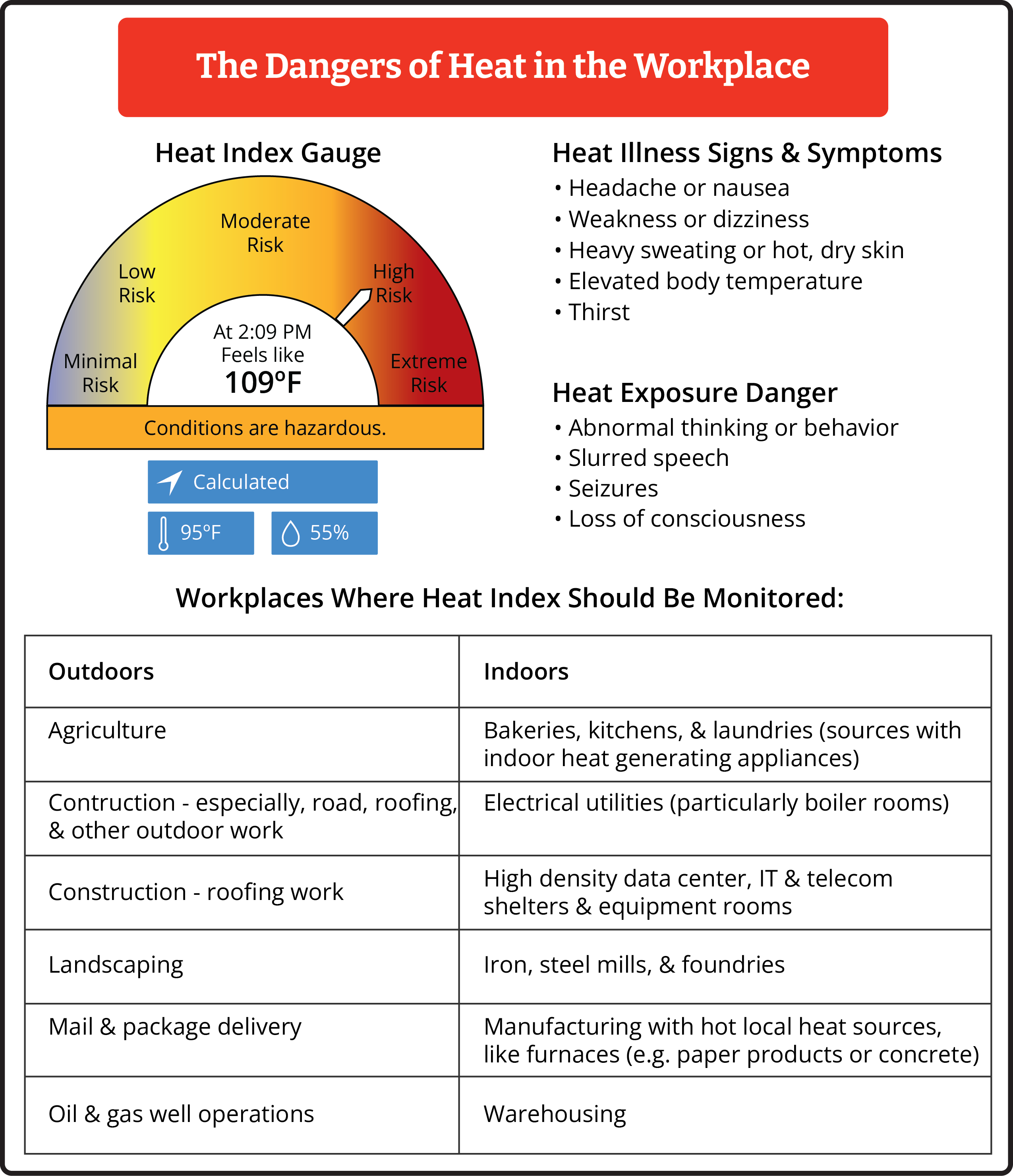
OSHA also encourages the use of the Heat Index to assess outdoor risk levels and recommends work/rest schedules based on temperature and humidity conditions. For example, at a heat index above 91°F (33°C), increased monitoring and more frequent breaks are advised. In recent years, OSHA has intensified enforcement in high-risk sectors and is working toward a national heat stress standard to formalize these practices.
OSHA’s Role in Cold Environment Safety
Although OSHA does not have a specific cold stress standard, it treats exposure to extreme cold as a serious workplace hazard under the General Duty Clause.
 Racial ethnic discrimination
Cold stress includes conditions like hypothermia, frostbite, and trench foot, which can occur when the body loses heat faster than it can produce it. OSHA recommends that employers implement cold stress prevention programs, especially for outdoor workers in winter conditions or those in refrigerated environments.
Preventive measures include wearing layered clothing, using windproof and waterproof outer layers, and keeping skin dry. Workers should be trained to recognize early symptoms of cold stress, such as uncontrollable shivering, numbness, or loss of coordination. OSHA advises scheduling frequent breaks in warm areas and providing warm beverages (non-alcoholic) to maintain body heat.
Monitoring wind chill is especially important, as wind dramatically increases the rate of heat loss. Employers in industries like winter road maintenance, utility repair, and fishing operations must assess the risks and take proactive steps, as failure to do so could result in citations if a cold-related illness or injury occurs.
| Temperature Condition | Recommended Action | OSHA Guidance Reference |
|---|---|---|
| Heat Index: 91°F–103°F (33°C–39°C) | Implement work/rest schedules, provide water, encourage shade breaks | OSHA Heat Illness Prevention Campaign |
| Heat Index: Above 103°F (39°C) | Increased monitoring, mandatory breaks, emergency response plan | NIOSH Criteria for a Recommended Standard: Occupational Exposure to Heat |
| Wind Chill: 32°F–13°F (0°C to –11°C) | Monitor for signs of frostbite/hypothermia, provide warm clothing and breaks | OSHA Cold Stress Card |
| Wind Chill: Below 13°F (–11°C) | Limit exposure time, use engineering controls, conduct frequent checks | General Duty Clause, Section 5(a)(1) |
| Indoor Office: Below 68°F (20°C) or Above 76°F (24.4°C) | Assess discomfort and productivity issues, follow ASHRAE Standard 55 | Non-mandatory OSHA guidelines |
OSHA Workplace Temperature Standards: A Comprehensive Guide to Compliance and Safety
What Are OSHA's Guidelines for Unsafe Working Temperatures in the Workplace?
 Racially discriminated against
The Occupational Safety and Health Administration (OSHA) does not currently enforce a specific federal standard that defines exact safe or unsafe temperature ranges for all indoor workplaces.
However, OSHA requires employers under the General Duty Clause of the Occupational Safety and Health Act of 1970 to provide a work environment free from recognized hazards that are causing or likely to cause death or serious physical harm.
This includes exposure to extreme heat or cold that can lead to conditions such as heat stroke, hypothermia, or other temperature-related illnesses. While OSHA has issued guidelines and recommendations—particularly concerning outdoor work in hot environments, such as construction or agriculture—there are no mandated temperature limits for indoor offices or factories.
Employers are encouraged to maintain reasonable thermal comfort, typically referencing guidelines from organizations like the American Conference of Governmental Industrial Hygienists (ACGIH), which suggests optimal indoor temperatures range between 68°F and 76°F with humidity levels between 20% and 60%.
What Are OSHA’s Recommendations for Heat Exposure in Outdoor Work?
- OSHA recommends that employers implement a heat illness prevention program for outdoor workers, especially when temperatures exceed 90°F. This includes providing water, rest, and shade to reduce the risk of heat-related illnesses such as heat exhaustion and heat stroke.
- Employers should use the OSHA-NIOSH Heat Safety Tool, a mobile app that delivers real-time heat index data and hourly forecasts specific to a worker’s location, helping to guide safety decisions based on environmental conditions.
- Training workers to recognize symptoms of heat-related illness—such as dizziness, nausea, rapid pulse, and confusion—and encouraging immediate reporting and intervention is a key component of OSHA’s guidance to ensure rapid response and medical attention when needed.
How Does OSHA Address Cold Stress in the Workplace?
- While OSHA lacks a specific cold stress standard, it recognizes hazards associated with working in cold environments and offers guidelines to prevent conditions such as hypothermia, frostbite, and trench foot. Employers in industries like winter construction, utilities, and emergency response are advised to take preventative actions.
- Recommendations include scheduling frequent breaks in warm, dry areas, encouraging workers to wear layered, moisture-wicking clothing, and monitoring each other for signs of cold stress. Workers new to cold environments are at higher risk and should be acclimatized gradually.
- OSHA advises establishing a buddy system, where employees monitor one another for early symptoms, and ensuring that emergency procedures and warm first-aid supplies are readily available at the worksite when temperatures fall below freezing.
What Role Do Industry Guidelines Play in Temperature Safety?
- Although OSHA’s federal guidelines are not prescriptive for indoor temperatures, several industry-specific standards and recommendations help shape best practices. For example, the National Institute for Occupational Safety and Health (NIOSH) provides recommended exposure limits and thermal comfort models used in industrial hygiene assessments.
- Organizations like ACGIH publish Threshold Limit Values (TLVs®) for heat stress based on workload, humidity, air velocity, and radiant heat. These are widely adopted by safety professionals to evaluate risk and implement engineering or administrative controls.
- Employers often follow consensus standards from groups like ASHRAE (American Society of Heating, Refrigerating and Air-Conditioning Engineers), which recommend thermal environmental conditions for human occupancy, helping maintain productivity and reduce health risks in office and commercial settings.
What is the OSHA-recommended minimum temperature to refuse work in the U.S.?
Does OSHA Have a Specific Minimum Temperature Standard for Refusing Work?
- OSHA does not establish a specific minimum temperature at which employees can legally refuse to work in the United States. There is no federal regulation that dictates an exact cold temperature threshold that mandates work stoppage or allows automatic refusal of work.
- Instead, OSHA relies on the General Duty Clause of the Occupational Safety and Health Act, which requires employers to provide a workplace free from recognized hazards likely to cause death or serious physical harm. This includes extreme cold conditions.
- While OSHA offers guidelines for protecting workers in cold environments—such as those in construction, agriculture, or outdoor maintenance—it stops short of defining a universal safe or unsafe temperature. Employers are expected to evaluate risks based on wind chill, exposure duration, and work intensity.
What Guidelines Does OSHA Provide for Cold Stress Prevention?
- OSHA recommends employers implement a cold stress prevention program when temperatures drop significantly, especially when wind chill factors increase the risk of hypothermia, frostbite, or trench foot.
- The agency provides educational materials and safety recommendations, such as scheduling work during warmer parts of the day, providing insulated clothing, allowing frequent breaks in warm areas, and training workers to recognize signs of cold-related illnesses.
- OSHA also suggests using the Wind Chill Temperature Index to assess risk levels. For example, when wind chill drops below 4°F (-15.6°C), employers should consider increasing protective measures, even if work is not mandatory stopped.
Under What Conditions Can Workers Refuse Cold Weather Work Legally?
- Employees may legally refuse to work if they believe they are in imminent danger—defined by OSHA as a situation that could reasonably be expected to cause death or serious physical harm immediately or before the danger can be eliminated through regular enforcement procedures.
- For example, if a worker is required to operate machinery outdoors in -20°F with high winds and no protection or heating breaks, this may qualify as an imminent danger, especially if frostbite or hypothermia risks are immediate.
- Such refusals are protected under Section 11(c) of the OSH Act, provided the employee has a good-faith belief that the working conditions are hazardous. However, the lack of a specific temperature threshold means each case is evaluated individually based on context and risk level.
What Are OSHA's Temperature Standards for Workplaces, and Can I Report Excessive Heat?
Does OSHA Have Specific Temperature Standards for Indoor and Outdoor Workplaces?
- Currently, the Occupational Safety and Health Administration (OSHA) does not have a specific regulation that establishes permissible temperature ranges for indoor or outdoor work environments. This means there is no mandated maximum or minimum temperature that employers are required to maintain in most work settings.
- However, OSHA does enforce a general duty under the Occupational Safety and Health Act, which requires employers to provide a workplace free from recognized hazards likely to cause death or serious physical harm. Excessive heat is considered such a hazard, especially in industries like construction, agriculture, and manufacturing.
- In response to increasing concerns about heat-related illnesses, OSHA has launched a National Emphasis Program on heat, allowing inspectors to conduct targeted inspections in high-risk environments during periods of extreme heat. This initiative reinforces that although there are no numeric temperature standards, employers must take steps to mitigate heat exposure.
What Protections Do Workers Have Against Excessive Heat Exposure?
- Workers in the United States are protected under OSHA’s General Duty Clause, which holds employers responsible for providing a safe work environment. This includes taking proactive steps to reduce the risk of heat stress, heat exhaustion, and heat stroke, particularly in hot indoor facilities or during outdoor work in summer months.
- Employers are expected to implement practical measures such as providing access to water, encouraging regular rest breaks in shaded or cool areas, and allowing time for workers to acclimate to hot conditions—especially new or returning employees.
- In addition, OSHA recommends training employees to recognize the signs of heat-related illness and to intervene quickly when symptoms appear. Employers in high-risk industries are also encouraged to establish heat illness prevention programs that include emergency response procedures and clear communication protocols.
Can I Report a Workplace with Excessive Heat to OSHA?
- Yes, employees have the right to report working conditions that they believe are unsafe or unhealthy, including excessive heat, directly to OSHA. Reports can be filed online, by phone, by mail, or in person at an OSHA office, and complainants may request anonymity to protect their identity.
- Once a complaint is submitted, OSHA may conduct an inspection, particularly if the workplace falls under the National Emphasis Program for heat. During the inspection, OSHA compliance officers can review workplace practices, speak to employees, and evaluate environmental conditions.
- If OSHA determines that a hazard exists, they can issue citations or require employers to implement corrective measures. Workers do not need to wait for an illness to occur to file a complaint—proactive reporting of unsafe heat conditions is not only allowed but encouraged to prevent harm.
Frequently Asked Questions
What are OSHA’s temperature standards for indoor workplaces?
OSHA does not specify exact temperature standards for indoor workplaces. However, it recommends maintaining thermal conditions that ensure employee comfort and safety. Employers should aim for temperatures between 68°F and 76°F with humidity levels from 20% to 60%. While not mandatory, these guidelines help prevent heat stress, cold stress, and discomfort, promoting productivity and well-being in the workplace environment.
Does OSHA require heating or cooling in work environments?
OSHA does not mandate specific heating or cooling systems, but it requires that workplaces maintain reasonable temperatures for employee safety and health. Employers must provide a work environment free from recognized hazards, including extreme temperatures. If heat or cold poses a significant risk, employers must implement controls like ventilation, heaters, rest breaks, or protective clothing to comply with OSHA’s general duty clause.
Can employees file a complaint if workplace temperatures are uncomfortable?
Yes, employees can file a complaint with OSHA if temperature conditions create an unsafe or unhealthy work environment. While personal comfort alone may not trigger action, extreme heat or cold that risks health—such as heat exhaustion or hypothermia—may be grounds for intervention. OSHA evaluates complaints based on potential hazards and may inspect if a violation of the General Duty Clause is suspected.
Are outdoor workers protected by OSHA temperature guidelines?
OSHA does not have specific temperature standards for outdoor work, but the General Duty Clause requires employers to protect workers from recognized hazards, including extreme heat and cold. Employers should provide training, water, rest, shade, monitoring, and acclimatization for outdoor workers. OSHA also promotes heat illness prevention programs, especially during hot seasons, to reduce risks associated with high outdoor temperatures.
Leave a Reply