
Cal osha heat illness prevention standard 8 ccr 3395
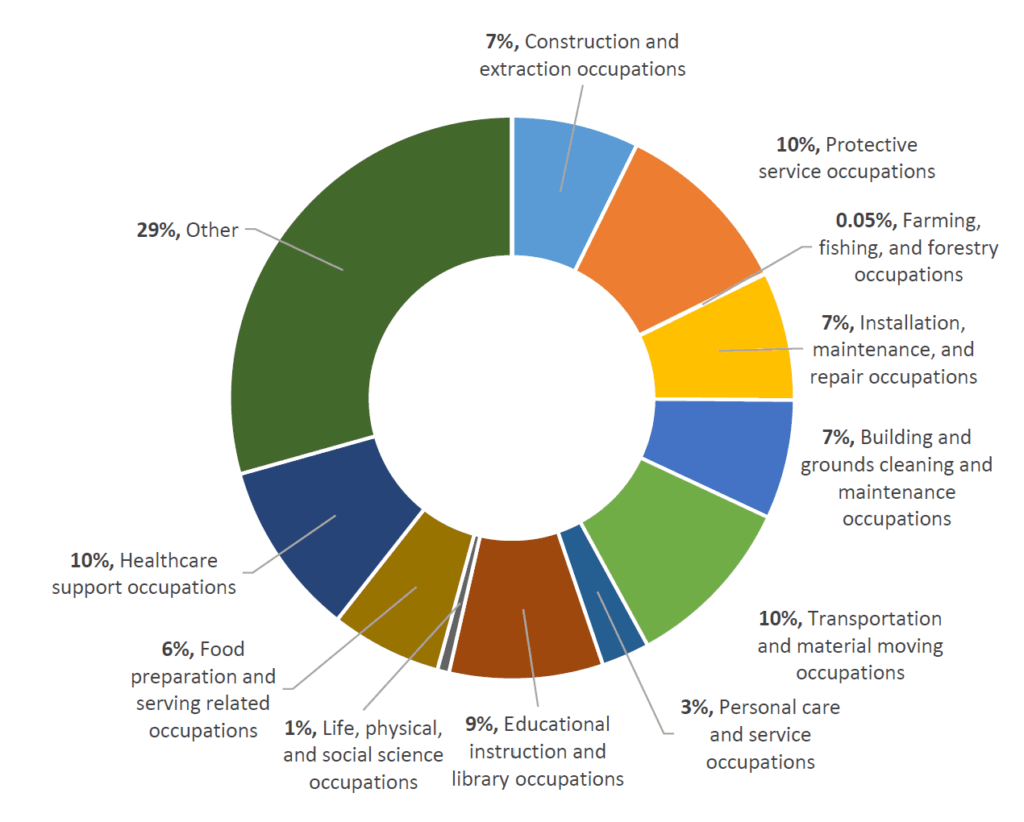
Heat-related illnesses pose a significant risk to workers in California’s outdoor and indoor high-temperature environments.
To address this danger, the California Occupational Safety and Health Administration (Cal/OSHA) established Title 8, California Code of Regulations (CCR) Section 3395, the Heat Illness Prevention Standard. This regulation mandates specific employer responsibilities to protect employees from excessive heat exposure, particularly in agriculture, construction, and outdoor operations.
Requirements include providing water, shade, rest breaks, emergency response procedures, and effective training. Since its enforcement, the standard has evolved to include stricter measures for indoor heat exposure and immediate cooldown procedures.
 Workers' compensation law firms with multilingual staff
Understanding the Cal OSHA Heat Illness Prevention Standard (8 CCR 3395)
The Cal OSHA Heat Illness Prevention Standard, outlined in Title 8 of the California Code of Regulations (CCR) section 3395, establishes mandatory workplace safety measures to protect employees from heat-related illnesses in indoor and outdoor environments.
This regulation applies primarily to industries where workers are exposed to high-heat conditions, such as agriculture, construction, landscaping, warehousing, and others. Employers are required to implement effective high-heat procedures, provide access to shade or cool-down areas, ensure sufficient water availability, and develop written heat illness prevention plans.
The rule mandates that workers be allowed and encouraged to take a minimum five-minute paid cool-down rest whenever they feel excessive heat-related symptoms, and employers must not retaliate against employees for doing so. Compliance with 8 CCR 3395 is not optional—it is a legal requirement enforced by Cal OSHA through inspections and penalties for non-compliance.
Key Employer Responsibilities Under 8 CCR 3395
Under 8 CCR 3395, employers must take proactive steps to minimize the risk of heat illness by implementing a comprehensive heat illness prevention program.
 Workers compensation attorney rancho cucamonga
Essential responsibilities include developing and maintaining a written heat illness prevention plan in both English and the predominant language(s) spoken by employees, ensuring immediate access to shade or cool-down areas when temperatures exceed 80°F, and providing workers with at least one quart of drinking water per hour.
Supervisors must be trained to recognize signs of heat exhaustion and heat stroke, and to respond promptly to medical emergencies.
Additionally, during high-heat conditions—defined as temperatures of 95°F or higher—employers must implement mandatory twice-per-hour communication between supervisors and employees to monitor well-being. These measures are designed to build a safety culture where prevention, early detection, and rapid response are prioritized.
High-Heat Procedures and Cooling-Down Rest Periods
When temperatures reach 95°F or above, 8 CCR 3395 requires employers to implement specific high-heat procedures to safeguard worker health. A critical component is the effective communication procedure, requiring direct contact—such as in-person checks or phone calls—between supervisors and employees at least every two hours. This ensures workers can report symptoms early and receive assistance if needed. Employers must also emphasize the importance of cooling-down rest periods, allowing and encouraging employees to take a break in the shade whenever they feel overheated. These breaks must be unpaid only if the employee is fully relieved of duty, but in practice, they are typically paid to ensure compliance and worker comfort. Creating a work environment where employees feel protected from retaliation for taking necessary breaks is essential to the standard’s success.
 Workers compensation claim adjudication fees
Training and Emergency Response Requirements
Cal OSHA mandates that all supervisors and employees receive effective training on heat illness prevention before working in high-heat conditions.
Training must cover the risk factors for heat illness, the importance of acclimatization, the employer’s procedures for complying with 8 CCR 3395, and emergency response protocols. Workers must be educated on how to recognize symptoms such as dizziness, nausea, headache, and confusion, which could signal the onset of heat exhaustion or heat stroke.
Supervisors must know how to activate emergency medical services (EMS) immediately if a heat-related emergency occurs, initiate first-aid procedures, and stay with the affected worker until help arrives. This training must be repeated annually and whenever there is a change in workplace conditions or procedures affecting heat exposure.
| Requirement | Key Provision | Applicability |
|---|---|---|
| Water Access | One quart of water per employee per hour, readily available and visible | All outdoor worksites when temperatures exceed 80°F |
| Cool-Down Rest | Five-minute rest in shade whenever employee feels heat-related symptoms | Mandatory, no retaliation allowed |
| High-Heat Procedures | Twice-per-hour communication and heightened supervision at 95°F+ | When temperatures reach or exceed 95°F |
| Written Plan | Site-specific prevention plan in English and predominant employee language | All affected employers |
| Training | Annual training for supervisors and workers on prevention and emergency response | Before initial exposure to high-heat conditions |
Cal/OSHA Heat Illness Prevention Standard (8 CCR 3395): A Comprehensive Compliance Guide
What are the updated Cal/OSHA heat illness prevention requirements under 8 CCR 3395?
Expanded High-Heat Procedures for Outdoor Workplaces
- When temperatures reach or exceed 95°F, employers must implement high-heat procedures, which include close monitoring of employees for signs of heat illness. This monitoring requires designated supervisors to remain vigilant during high-heat episodes and check in with workers at regular intervals.
- Employers are required to make sure that effective communication is maintained, such as through cell phones, radios, or in-person supervision, so that employees can contact a supervisor immediately in case of an emergency.
- Additional provisions include taking steps to acclimatize new and returning workers, ensuring shade is readily accessible, and encouraging workers to drink at least one quart of water per hour when feasible. These procedures must be clearly outlined in the employer's written heat illness prevention plan.
Mandatory Access to Shade and Cool-Down Rest Periods
- Employees must have access to shaded areas that allow the body to cool down, and the shade must be available before temperatures reach 80°F. Employers can use natural shade or create artificial shade using canopies, tents, or other structures.
- Cool-down rest periods are required when an employee feels the need to cool down, and such breaks must be at least five minutes. Employers may not discourage or retaliate against workers who take these breaks.
- The shaded area must be large enough to accommodate the number of employees on break and located as close as practicable to the work area. If multiple work areas exist, shade may need to be provided in more than one location.
Training and Written Prevention Plans
- Employers are required to train employees and supervisors before the start of work during hot conditions. Training must cover the environmental and personal risk factors for heat illness, the importance of water and shade, procedures for emergency response, and how to monitor co-workers for symptoms.
- The written heat illness prevention plan must be accessible to employees and include site-specific procedures that reflect the actual operations, including how to handle high-heat conditions and how acclimatization is managed.
- Plans must be reviewed and updated annually, and any changes to procedures due to worksite conditions must be documented and communicated to employees promptly. All training sessions must be documented, including the date, content, and names of attendees.
What is the Cal OSHA Heat Illness Prevention Standard 8 CCR 3395?
The Cal OSHA Heat Illness Prevention Standard, referenced as 8 CCR (California Code of Regulations) Section 3395, is a set of legally enforceable rules designed to protect outdoor workers in California from heat-related illnesses and fatalities.
 Workers compensation disability attorney
These regulations apply to all industries where employees are working outdoors in high-temperature conditions, most notably in agriculture, construction, landscaping, and oil and gas extraction. The standard mandates that employers implement specific practices such as providing adequate water, shade, rest breaks, and training to prevent heat illness.
Employers must also develop and implement a written heat illness prevention plan, monitor workers during high-heat conditions, and take immediate action when an employee shows signs of heat-related illness. Compliance with 8 CCR 3395 is mandatory and subject to inspection and penalties by Cal OSHA for non-compliance.
Key Employer Responsibilities Under 8 CCR 3395
- Employers are required to ensure that sufficient quantities of fresh, pure, and cool drinking water are available at all times, with at least one quart per employee per hour, and placed in accessible locations so workers can drink at least one quart per hour if needed.
- They must provide shaded or cool rest areas that allow employees to recover from heat exposure, particularly when temperatures exceed 80°F, and ensure these areas are close enough to worksites so workers can access them easily.
- Employers must allow and encourage employees to take a minimum of a 10-minute cool-down rest period for every two hours of work when outdoor temperatures reach or exceed 95°F, and more rest may be needed depending on conditions.
Heat Illness Prevention Plan and Training Requirements
- Every employer covered by 8 CCR 3395 must develop, implement, and maintain a written heat illness prevention plan that is specific to each worksite and available to employees and inspectors upon request.
- The plan must include procedures for providing water, shade, emergency response, effective communication between supervisors and employees, and procedures for acclimatizing new and returning workers.
- Employers are required to train all employees and supervisors on the risks of heat illness, the importance of hydration, recognition of symptoms such as dizziness, nausea, and confusion, and the procedures for obtaining immediate medical assistance if heat illness is suspected.
High-Heat Procedures and Emergency Response
- When temperatures are forecasted to reach 95°F or higher, employers must implement high-heat procedures, including heightened supervision and increased monitoring of employees for signs of heat illness.
- Procedures must include a system for observation—either one-on-one or through group monitoring—where supervisors or coworkers check on each other's well-being throughout the shift.
- In the event of a heat illness emergency, the employer must have effective procedures in place, including immediate access to emergency services, the ability to transport the affected worker rapidly, and steps for staying with the employee until help arrives.
What is the California OSHA Heat Illness Prevention Standard (8 CCR 3395)?
The California OSHA Heat Illness Prevention Standard, codified as Title 8 California Code of Regulations Section 3395 (8 CCR 3395), is a regulation designed to protect employees working outdoors in high-heat conditions.
It applies specifically to outdoor worksites in California and mandates that employers implement effective measures to prevent heat-related illnesses such as heat exhaustion, heat stroke, and other heat-induced medical conditions.
The standard requires employers to establish a written heat illness prevention plan, provide access to water and shade, allow for frequent cool-down rest periods, and ensure proper training and supervision for employees and supervisors.
The regulation is triggered when temperatures reach or exceed 80 degrees Fahrenheit, although many preventative actions are encouraged at lower temperatures based on risk assessment.
Key Requirements of 8 CCR 3395
- Employers must implement a written Heat Illness Prevention Plan that includes procedures for providing water, shade, effective communication, and emergency response. This plan must be available at the worksite and understandable to all employees, including translation if necessary.
- The standard mandates that employers provide one quart of drinking water per employee per hour, with cool water readily accessible and encouraged for consumption throughout the workday, especially when the temperature exceeds 80°F.
- Employers are required to allow and encourage workers to take a minimum of a 5-minute cool-down rest period in the shade when they feel the need to do so to protect themselves from heat illness, regardless of whether the temperature threshold is met.
High-Heat Procedures and Employer Responsibilities
- When the temperature reaches 95°F or higher, employers must implement additional high-heat procedures, including making additional efforts to monitor employees and ensure more frequent observations, particularly during the first few weeks of employment when acclimatization is critical.
- Supervisors must be trained to recognize the signs and symptoms of heat illness and know how to respond immediately, including calling for emergency medical assistance when necessary and providing first aid while waiting for help.
- Employees must be closely observed during heat waves and high-temperature days, especially those performing strenuous tasks, wearing heavy protective clothing, or who are new to the job, as they are at higher risk for heat-related issues.
Training, Acclimatization, and Emergency Preparedness
- Employers must provide effective training to all employees and supervisors before the start of work in high-heat conditions, covering topics such as the importance of water consumption, the benefits of shade, the signs of heat illness, and emergency procedures.
- The standard emphasizes acclimatization, requiring that new employees or those returning after time off be gradually exposed to working in the heat over a minimum of four to fourteen days to reduce the risk of illness due to sudden exposure.
- Emergency preparedness includes having effective communication systems in place, such as cell phones or radios, so that supervisors can contact emergency services quickly, and ensuring all employees know how to report symptoms or seek help without fear of retaliation.
What is the maximum allowable workplace temperature under California OSHA’s Heat Illness Prevention Standard (8 CCR 3395)?
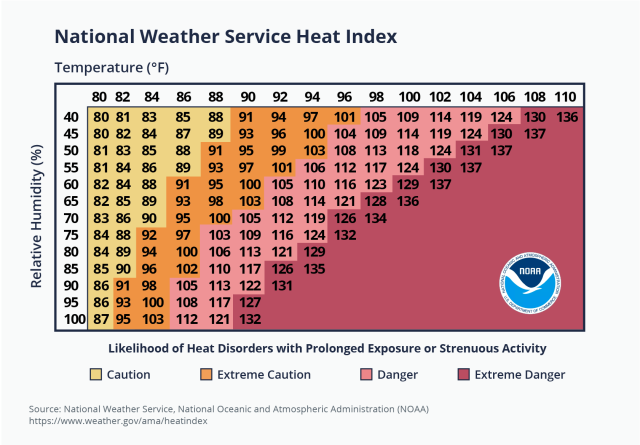
There is no specific maximum allowable temperature defined in California OSHA’s Heat Illness Prevention Standard (8 CCR 3395). Instead of setting a fixed temperature threshold, the regulation focuses on employer responsibilities to prevent heat illness when outdoor workers are exposed to high heat conditions.
Employers must implement effective procedures and controls when temperatures reach or exceed 95°F (35°C), particularly for outdoor worksites. The standard emphasizes proactive prevention, including access to water, shade, rest breaks, and acclimatization plans, rather than relying on a single temperature cutoff.
When Do Heat Illness Prevention Measures Become Mandatory?
- Cal/OSHA's Heat Illness Prevention Standard requires specific protective measures whenever outdoor workers are exposed to temperatures of 95°F (35°C) or higher. At this threshold, employers must implement high-heat procedures, such as providing additional access to shade and encouraging frequent rest periods.
- Although key mandatory measures are triggered at 95°F, other preventive actions—like providing water and shade—must be available at all times when outdoor work is performed, regardless of temperature.
- Employers are also required to have a written heat illness prevention plan that includes procedures for monitoring employee conditions, emergency response, and communication during hot weather, even below the 95°F threshold if heat illness risks are present.
What Preventive Measures Are Required Under 8 CCR 3395?
- Employers must ensure that workers have ready access to enough fresh, pure, and suitably cool drinking water—typically at least one quart per worker per hour—and encourage regular hydration throughout the shift.
- Effective shade must be available when temperatures exceed 80°F. When outdoor temperatures reach or exceed 95°F, employers must provide shade that is close enough to the work area so that employees can quickly access it during rest periods.
- Employees must be allowed and encouraged to take a preventive cool-down rest period of at least five minutes in the shade when they feel overheated. Workers cannot be penalized for using this right, and supervisors must not discourage or block access to rest periods.
How Does Cal/OSHA Define High-Heat Conditions and Acclimatization?
- High-heat procedures are specifically required when the outdoor temperature is expected to reach or exceed 95°F. These include heightened supervision of employees, especially during the first few days on the job or when returning after time off.
- Acclimatization is a critical component of the standard. New employees or those returning after a break of more than 14 consecutive days must be closely observed for the first four hours of their first shift and gradually build tolerance over several workdays in hot conditions.
- Employers must have systems in place to allow effective communication between workers and supervisors, enabling quick responses to signs of heat illness. This includes training employees to recognize symptoms and empowering them to request assistance without fear of retaliation.
Frequently Asked Questions
What is the Cal/OSHA Heat Illness Prevention Standard (8 CCR 3395)?
The Cal/OSHA Heat Illness Prevention Standard (8 CCR 3395) requires employers in California to take specific steps to protect outdoor workers from heat illness.
It applies to all outdoor worksites and mandates procedures such as providing water, shade, rest breaks, emergency response plans, and training. Employers must implement effective communication systems and allow workers to acclimate to high heat conditions, especially during hot weather.
Who is covered under 8 CCR 3395?
8 CCR 3395 covers all employees working outdoors in California, including agricultural, construction, landscaping, and transportation workers. It applies regardless of company size or employment status, including temporary and seasonal workers.
Employers must ensure protection from heat illness for all such employees, even if only briefly exposed to outdoor heat. The standard emphasizes proactive prevention for all outdoor work environments where heat exposure may occur.
What are the key requirements for water and shade under 8 CCR 3395?
Employers must provide enough fresh, pure, and suitably cool water so each employee can drink at least one quart per hour. Water must be accessible and encourage regular consumption. Shade must be available when temperatures exceed 80°F or upon employee request.
Shade must be sufficient to accommodate all workers on recovery or cooling breaks and allow them to sit in a comfortable position completely out of direct sunlight.
What training must employers provide under the heat illness prevention standard?
Employers must train employees and supervisors on the risks of heat illness, including symptoms such as dizziness, nausea, and confusion.
Training should cover prevention methods, emergency response procedures, the importance of hydration, and the right to request cool-down breaks. It must be provided in a language workers understand and repeated annually, as well as when weather conditions change significantly or procedures are updated.
Leave a Reply