
Minimum wage laws by state
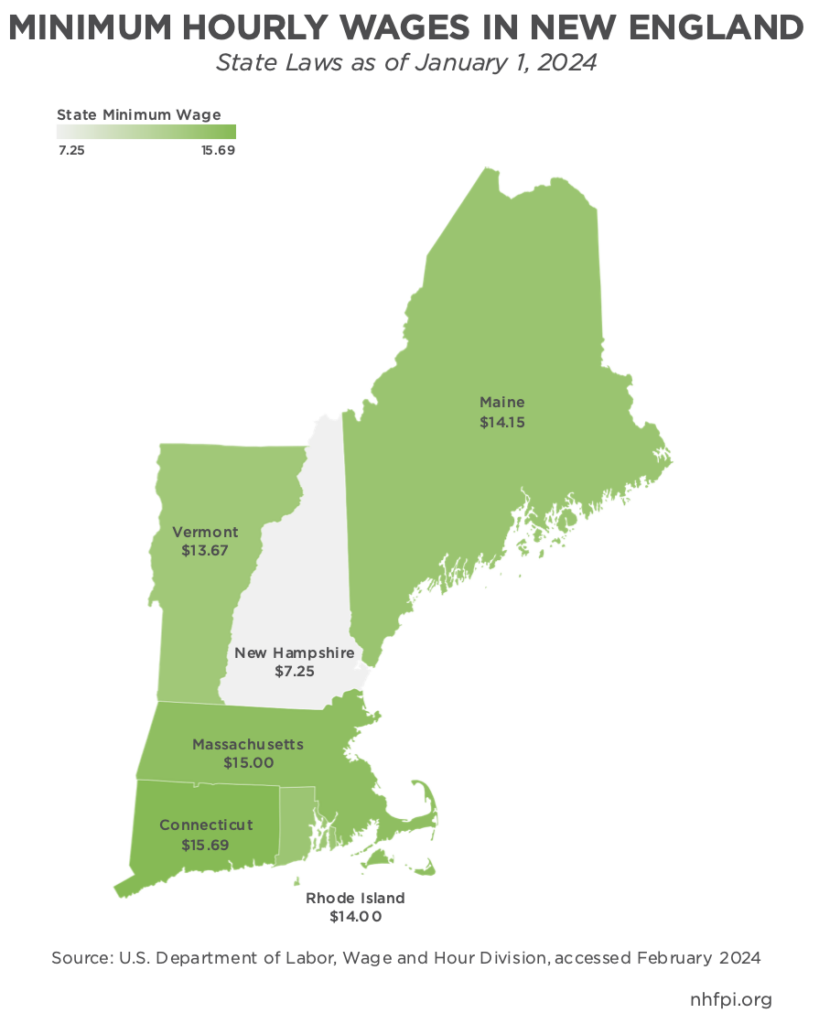
Minimum wage laws vary significantly across the United States, with each state setting its own standards that often exceed the federal minimum of $7.25 per hour.
While some states adhere strictly to the federal rate, many have implemented higher wages to reflect local cost-of-living conditions and economic needs. As of 2024, over half of the states have established minimum wages above the federal level, with cities like Seattle and San Francisco leading with rates exceeding $18 per hour.
These differences create a complex landscape for employers and workers, particularly in border regions and multistate businesses. Understanding state-by-state minimum wage laws is essential for ensuring fair pay and compliance.
 California ccpap workers compensation
Understanding Minimum Wage Laws by State in the United States
Minimum wage laws in the United States vary significantly from state to state, reflecting regional economic conditions, cost of living, and legislative priorities.
While the federal government sets a baseline minimum wage, individual states have the authority to establish higher (but not lower) wage floors. As of 2024, 29 states and the District of Columbia have minimum wages above the federal rate of $7.25 per hour, a rate that has remained unchanged since 2009.
Some states, like California and Washington, have among the highest statewide minimum wages, exceeding $15 per hour in many cases, while others, such as Georgia and Wyoming, technically allow wages below the federal standard, though most employers follow the higher federal rate due to the Fair Labor Standards Act (FLSA).
Additionally, many cities and counties have enacted local minimum wage ordinances that exceed both state and federal levels, especially in high-cost urban areas like Seattle, San Francisco, and New York City.
 California law for workers compensation
State-by-State Variations in Minimum Wage Rates
Minimum wage rates across the U.S. are determined by a combination of state legislation, voter initiatives, and indexing to inflation. States like Florida, Illinois, and Maryland are on multi-year schedules to reach $15 per hour, demonstrating a growing trend toward higher wage mandates.
In contrast, states such as Alabama, Louisiana, and Tennessee do not have state-level minimum wage laws, meaning the federal rate of $7.25 applies to most workers. However, employees covered by the FLSA in these states still benefit from the federal baseline.
Moreover, some states differentiate between small and large businesses or exclude certain industries like agriculture and hospitality, creating a patchwork of standards that can complicate compliance for employers operating across state lines. These disparities underscore the importance of staying informed about specific state regulations.
Impact of Local Ordinances on Minimum Wage Standards
Beyond state regulations, local minimum wage laws further diversify the wage landscape, particularly in major metropolitan areas. Cities including Los Angeles, Chicago, and Denver have implemented wage rates significantly above their respective state minimums, driven by high living costs and local advocacy.
 California workers' compensation insurance requirement employers dir
For example, as of 2024, Seattle's minimum wage exceeds $19 per hour for large employers, whereas the broader state of Washington operates at a slightly lower rate. Employers with multiple locations must navigate these jurisdictional differences carefully, ensuring compliance based on where employees perform work.
Though not all states permit local wage increases—such as Florida and Arizona, which pre-empt municipal laws—those that do allow local control often see sharper adjustments in urban centers compared to rural regions.
Exemptions and Special Categories Under State Minimum Wage Laws
While most full-time workers are entitled to the full state minimum wage, several exemptions exist across jurisdictions. Common categories include tipped employees, youth workers, student workers, and persons with disabilities, who may be paid below the standard rate under specific conditions.
For instance, in states like Texas and Ohio, tipped workers can receive a base wage as low as $2.13 per hour, provided their tips bring total earnings up to at least the state minimum. Some states also allow training wages for new hires under the age of 20 for limited periods.
 Charleston sc workers' compensation lawyer
Additionally, certain agricultural or seasonal workers may be subject to alternative pay scales. It is essential for both employees and employers to understand these legal exemptions to avoid wage violations and ensure fair compensation practices.
| State | Minimum Wage (2024) | Tipped Wage | Notes |
|---|---|---|---|
| California | $16.00 | $16.00 | No tip credit; all workers paid full minimum wage. |
| New York | $15.00–$16.00 (by region) | $10.00 | Rate varies by county; NYC has highest tier. |
| Florida | $12.00 | $8.98 | Increases annually until reaching $15.00 in 2026. |
| Texas | $7.25 | $2.13 | Follows federal minimum; no state-specific wage law. |
| Washington | $16.28 | $16.28 | Highest state minimum wage; no tip credit allowed. |
| Georgia | $5.15 | $2.13 | State rate below federal; FLSA prevails for most workers. |
| Maine | $14.15 | $6.38 | Tip credit allowed; rate indexed to inflation. |
Frequently Asked Questions
What are minimum wage laws by state?
Minimum wage laws by state set the lowest hourly wage employers can legally pay workers. Each U.S. state establishes its own minimum wage, which may be higher than the federal minimum of $7.25 per hour. When state and federal rates differ, employees are entitled to the higher wage. Some cities also have local minimum wages exceeding state levels, providing extra worker protection.
How do state minimum wages differ from the federal minimum wage?
State minimum wages can be higher, lower, or equal to the federal minimum wage of $7.25 per hour. Most states follow the federal rate or set a higher one to reflect local living costs. In cases where both apply, workers receive the higher wage. States like California and Washington have significantly higher rates, while others rely solely on the federal standard.
Which states have the highest minimum wages?
As of 2024, states with the highest minimum wages include California, Washington, and Massachusetts, with rates exceeding $15 per hour. These rates are adjusted for inflation or cost of living. Washington, D.C., has an even higher rate. High-wage states aim to support workers amid rising living expenses, particularly in urban areas where housing and services are more costly.
Can employers pay less than the state minimum wage under certain conditions?
Yes, in some cases employers may pay less than the state minimum wage. For example, tipped employees, youth workers, or those in training may be paid a lower subminimum wage if permitted by state law. However, tips must bring total earnings up to at least the full minimum wage. Some exemptions exist for disabled workers under special certificates, but these are regulated and limited.
Leave a Reply