
Percentage of minimum wage workers by state
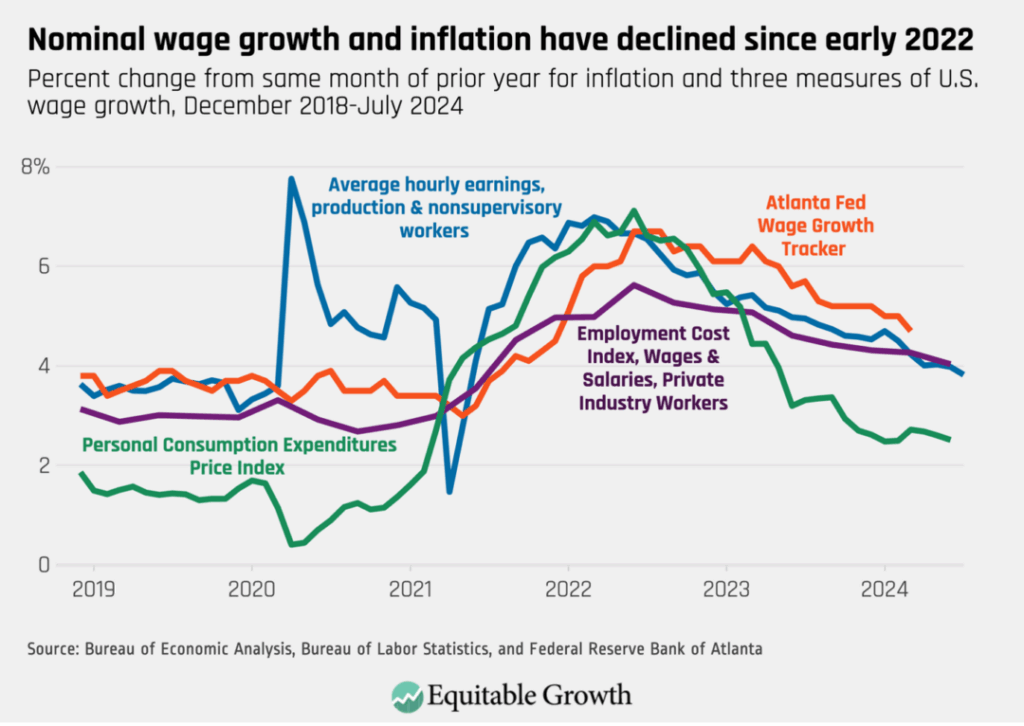
The percentage of minimum wage workers varies significantly across U.S. states, reflecting differences in cost of living, state-mandated wage rates, and local economic conditions.
While the federal minimum wage remains unchanged, many states have established higher base wages, influencing the proportion of workers earning at or near the minimum. Industries such as leisure, hospitality, and retail typically account for a larger share of minimum wage employees.
Geographic disparities reveal that states with higher living expenses generally report fewer workers at the minimum wage level, whereas those with lower costs of living may show elevated percentages. This article explores these variations and their underlying economic factors.
 Top-rated law firms workers' compensation chicago
Percentage of Minimum Wage Workers by State: A Regional Overview
The distribution of workers earning at or near the federal minimum wage varies significantly across U.S. states, influenced by regional cost of living, state-specific wage laws, and economic structures.
According to data from the U.S. Bureau of Labor Statistics (BLS), in recent years, a relatively small percentage of the total U.S. workforce earns exactly the federal minimum wage, but the proportion is higher in certain states than others.
Southern and rural states often report a higher percentage of minimum wage workers, while states with higher state-mandated minimum wages—such as California, Washington, and New York—tend to report lower percentages due to wage floors exceeding the federal standard. These disparities reflect broader economic trends, including labor market competitiveness, industry composition, and local policies on worker compensation.
Factors Influencing Minimum Wage Employment by State
Several key factors contribute to the variation in the percentage of minimum wage workers across states. State minimum wage laws play a critical role: states that set minimum wages above the federal level of $7.25 per hour reduce the number of workers paid at or near that base rate.
 Truck driver workers compensation rates
Additionally, regional cost of living impacts employer pay practices—states with high living expenses typically see fewer workers at minimum wage due to market pressures.
Other influences include industrial composition, as states with large hospitality, retail, or agricultural sectors—which often employ more entry-level and seasonal labor—tend to have higher concentrations of minimum wage workers.
Finally, youth employment rates and the presence of part-time or service-sector jobs also affect these percentages, particularly in states with large tourist economies or college towns.
States with the Highest Proportions of Minimum Wage Workers
Certain states consistently report higher percentages of workers earning the federal minimum wage or less. According to BLS data, states such as Mississippi, Georgia, Alabama, Texas, and South Carolina frequently rank at the top in terms of the proportion of hourly workers paid at or below $7.25.
 Workers compensation advances
Mississippi, for instance, has no state minimum wage law, defaulting to the federal rate, which contributes to one of the highest shares of minimum wage workers in the nation. These states often have lower average wages, weaker labor regulations, and lower costs of living, which can sustain employment at lower pay scales.
Furthermore, the reliance on industries like agriculture, food services, and domestic work—where wage enforcement can be inconsistent—also helps explain the elevated rates in these regions.
Data Summary: State-by-State Percentage of Minimum Wage Workers
The following table provides an illustrative overview of the percentage of hourly workers earning at or below the federal minimum wage across selected states, based on the most recent available BLS data.
These percentages reflect not only legal minimum wage policies but also labor market dynamics and enforcement practices. States with bold values indicate those with percentages above the national average, underscoring regional disparities in low-wage employment.
 Workers compensation and stress
| State | Percentage of Hourly Workers at or Below $7.25 | State Minimum Wage (as of 2023) | Notes |
|---|---|---|---|
| Mississippi | 4.0% | $7.25 | No state minimum wage; relies on federal rate |
| Georgia | 3.8% | $7.25 | State rate below federal due to exemption loopholes |
| Texas | 3.2% | $7.25 | Large low-wage service sector |
| California | 1.1% | $15.50 | High state minimum reduces reliance on federal rate |
| Washington | 0.9% | $15.74 | One of the highest state minimums in the U.S. |
| New York | 1.0% | $14.20–$15.00 | Varies by region and city size |
| Alabama | 3.7% | $7.25 | No state minimum wage law |
Frequently Asked Questions
What does the percentage of minimum wage workers by state measure?
This metric shows the proportion of workers in each U.S. state who earn the federal or state minimum wage. It reflects labor market conditions, cost of living differences, and minimum wage policies. Data typically comes from the Bureau of Labor Statistics and includes hourly workers directly affected by minimum wage laws, helping identify regional economic trends and disparities in low-wage employment.
Which states have the highest percentage of minimum wage workers?
States like Mississippi, Louisiana, and Alabama often report higher percentages of minimum wage workers due to lower regional wages and absence of state-level minimum wage increases. These states usually rely on the federal minimum wage, leading to a larger share of workers earning at or near this level compared to states with higher, state-mandated minimum wages.
Why do some states have very low percentages of minimum wage workers?
States with low percentages, such as California, Washington, and Massachusetts, typically have higher state-mandated minimum wages above the federal rate, pushing more workers above the federal minimum. Stronger labor markets, higher costs of living, and progressive wage policies reduce the share of workers earning exactly the minimum wage.
How is the data on minimum wage workers collected and updated?
The U.S. Bureau of Labor Statistics collects this data annually through the Current Population Survey (CPS), a nationwide household survey. It identifies hourly workers earning at or below the applicable minimum wage in each state. Results are typically released in early spring for the previous calendar year, providing reliable but delayed insights into wage trends.
Leave a Reply