
2022 minimum wage increases by state
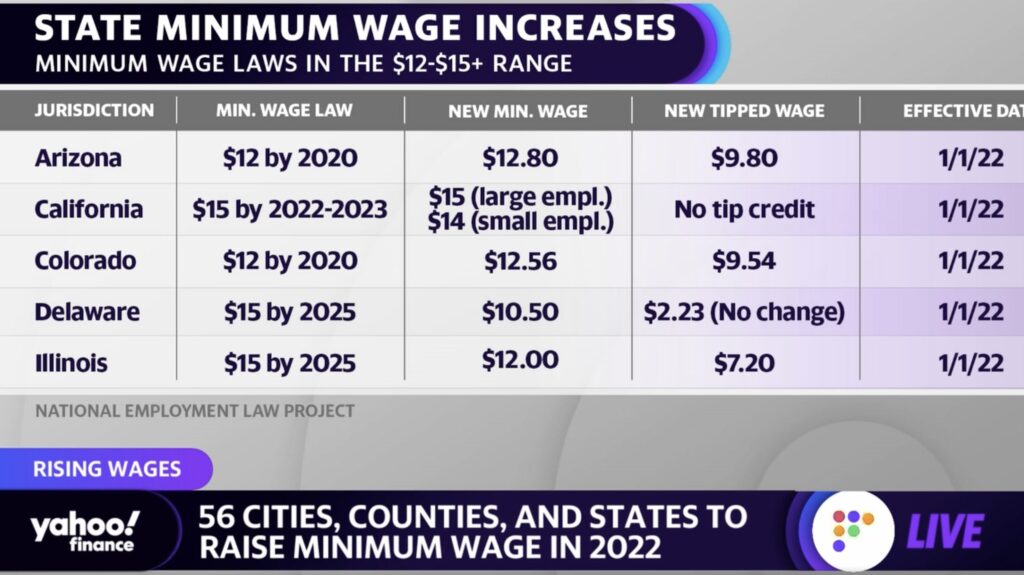
In 2022, numerous U.S. states implemented minimum wage increases to address rising living costs and inflation. These adjustments reflect ongoing efforts to ensure workers earn a livable income amid economic challenges.
The changes varied significantly by state, with some adopting incremental hikes and others making substantial jumps. Several states reached or exceeded a $15-per-hour threshold, while others maintained lower rates due to regional economic conditions.
Cities and counties also introduced their own wage mandates, creating a complex patchwork of regulations. These updates impacted millions of workers, particularly in low-wage industries, and sparked debates on business sustainability and income equity.
 2025 minimum wage rates by state
2022 Minimum Wage Increases by State: Key Updates Across the U.S.
In 2022, numerous states across the United States implemented increases to their minimum wage rates, reflecting ongoing efforts to keep pace with the rising cost of living and advocate for fair worker compensation. These adjustments were driven by both legislative action and pre-established cost-of-living adjustments (COLAs) tied to inflation.
States such as California, Washington, and Massachusetts led the nation with hourly minimum wages exceeding $14, while others like Florida made significant jumps due to voter-approved ballot measures. In contrast, five states—Alabama, Louisiana, Mississippi, South Carolina, and Tennessee—continue to adhere to the federal minimum wage of $7.25 per hour, or have no state minimum wage law at all.
Additionally, many cities and counties enacted even higher local minimum wages, creating a complex wage landscape across the country. Understanding these changes is essential for employers, workers, and policymakers navigating compliance and economic equity in the labor market.
States with the Highest Minimum Wage Rates in 2022
In 2022, Washington had the highest state minimum wage at $14.49 per hour, topping the national rankings due to its annual inflation adjustments.
 Process for workers compensation
California followed closely behind with a minimum wage of $15.00 per hour for businesses with 26 or more employees, a rate that marked a major milestone as the state reached the $15 threshold across most sectors. Massachusetts increased its minimum wage to $14.25 and was scheduled to reach $15 in 2023, demonstrating a structured phase-in plan.
Other high-wage states included Connecticut ($14.00), Illinois ($12.00 but with planned increases toward $15), and New Jersey ($13.00 with incremental increases). These states reflect a growing regional trend toward higher wage floors, particularly on the West and East Coasts, where the cost of living is substantially higher than the national average.
States That Implemented New Minimum Wage Laws in 2022
Several states enacted new minimum wage legislation or executed scheduled increases in 2022, significantly impacting low-wage workers. Florida raised its minimum wage to $11.00 per hour, a step toward its voter-mandated path to reach $15 by 2026.
Ohio, Alaska, and Montana adjusted their rates based on inflation, ensuring the wage maintained purchasing power. Delaware advanced its minimum wage from $9.25 to $10.25, with future escalations designed to reach $15 by 2025. Moreover, Rhode Island increased its rate to $12.25 and committed to annual adjustments.
 Best law firms chicago workers' compensation claims
These changes highlight how both ballot initiatives and legislative decisions are driving wage reform, particularly in states aiming to address economic inequality and improve worker retention in competitive job markets.
Local vs. State Minimum Wages: The Role of Municipal Ordinances
While state-level policies set baseline standards, many cities and counties adopted local minimum wage ordinances that exceeded state requirements, creating a patchwork of wage levels within individual states.
For example, Seattle, Washington, maintained a minimum wage of $17.27 for large employers, surpassing the state rate, while San Francisco, California, required $16.07 per hour. Similarly, Chicago, Illinois, had a citywide minimum of $15.00, reaching the benchmark ahead of the rest of the state.
These local wage premiums are often enacted in response to extremely high urban living costs, allowing jurisdictions to tailor wage rules to their specific economic environments. Employers operating across multiple municipalities must remain vigilant in complying with the highest applicable rate, whether set by state or local law.
 Best law firms in chicago for workers' compensation claims
| State | 2022 Minimum Wage (per hour) | Indexing to Inflation? | Notes |
|---|---|---|---|
| Washington | $14.49 | Yes | Highest state minimum wage in 2022 |
| California | $15.00 (larger employers) | Yes | Rates vary by company size |
| Massachusetts | $14.25 | No | Phased increase to $15 by 2023 |
| Florida | $11.00 | Yes | Voter-approved increase toward $15 by 2026 |
| Ohio | $9.30 | Yes | Higher rate for non-tipped workers |
| New York | $13.20–$15.00 | Yes | Varies by region and county |
| Federal Minimum | $7.25 | No | Applies only where state law is lower or absent |
Frequently Asked Questions
Which states increased the minimum wage in 2022?
In 2022, over 20 states raised their minimum wage rates, including California, Florida, Illinois, New York, and Washington. These increases were often due to cost-of-living adjustments or pre-approved legislation. Some states, like Florida, implemented multi-year increases, with the rate rising to $11 per hour in 2022. Cities and counties within states also enacted higher local minimum wages, exceeding state and federal levels.
How did the 2022 minimum wage increases compare to the federal minimum wage?
The federal minimum wage remained unchanged at $7.25 per hour in 2022. In contrast, many states set higher minimum wages, with several exceeding $12 per hour. For example, Washington state’s minimum reached $14.49, and California’s was $15.00 for large employers. These state-level wages often provide better alignment with local living costs, offering workers higher pay than the federal baseline, which has not increased since 2009.
What factors drove the 2022 state minimum wage increases?
The 2022 minimum wage increases were driven by inflation, rising living costs, and legislative efforts to improve worker livelihoods. Some states had pre-established plans to gradually raise wages, while others responded to labor market pressures. Public support for fair pay, union advocacy, and local economic conditions also played key roles. Additionally, ballot initiatives in states like Florida reflected voter demand for higher minimum wages to keep pace with economic demands.
Did all workers benefit equally from the 2022 minimum wage hikes?
Not all workers benefited equally from the 2022 minimum wage increases. Exceptions exist for tipped employees, youth workers, and those in certain industries, who may be paid below the standard minimum wage under state laws. Additionally, in states without minimum wage laws or with rates lower than the federal level, the $7.25 federal floor applied. Workers in small businesses or rural areas might also see delayed or limited impacts compared to those in urban centers.
 Best value workers' compensation insurance options
Leave a Reply