
Osha heat standard news
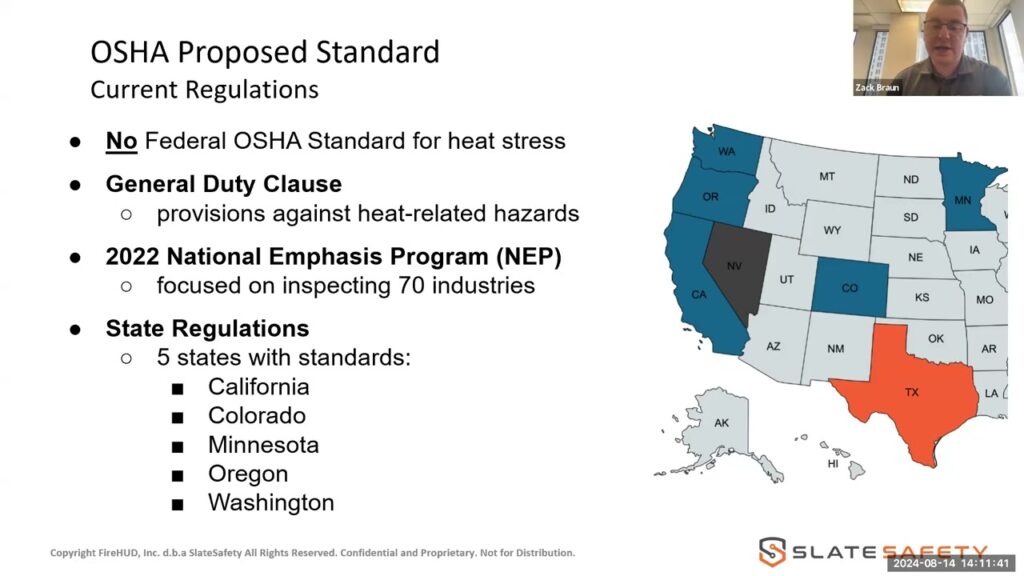
Workers across the United States face increasing risks from extreme heat, prompting the Occupational Safety and Health Administration (OSHA) to take decisive action.
In response to growing concerns over heat-related illnesses and fatalities, OSHA has announced a new proposed heat standard aimed at protecting employees in both outdoor and indoor environments. The initiative marks a significant step toward enforcing consistent safety measures across industries such as construction, agriculture, and manufacturing.
The proposed rule would require employers to implement heat illness prevention plans, provide adequate water and rest breaks, and train workers on heat safety. With climate change intensifying summer temperatures, the new OSHA heat standard could transform workplace safety across the nation.
 Osha heat standard proposal
OSHA's New Heat Standard Aims to Protect Workers from Extreme Heat Hazards
In response to rising global temperatures and increasing heat-related illnesses in the workplace, the U.S. Occupational Safety and Health Administration (OSHA) has announced a significant step forward with its proposed heat standard. This new regulation is designed to protect millions of workers across industries such as construction, agriculture, manufacturing, and warehousing who are particularly vulnerable to heat stress.
The standard would establish enforceable requirements, including mandatory access to water, rest, and shade, as well as emergency response procedures for heat-related illnesses. OSHA's initiative follows years of advocacy from labor unions, public health experts, and workers’ rights organizations highlighting the growing threat of heat exposure, especially amid climate change.
The proposed rule includes provisions for both outdoor and indoor environments where high temperatures pose serious health risks. By setting clear guidelines and accountability measures, OSHA aims to reduce the number of heat-related hospitalizations and fatalities in the workplace each year.
Key Requirements of the Proposed OSHA Heat Standard
The proposed OSHA heat standard outlines specific, actionable measures employers must follow to safeguard workers exposed to high heat conditions. Central to the proposal is the water, rest, and shade mandate, ensuring that employees have consistent access to cool drinking water, frequent breaks in shaded or cooled areas, and protection during extreme heat events.
 Racial discrimination in health care
Employers would be required to implement a written heat illness prevention plan, train workers on recognizing symptoms of heat exhaustion and heat stroke, and establish effective communication systems for emergency response. A core component of the standard is the implementation of acclimatization programs, especially for new or returning workers, which gradually expose them to hot environments over a period of days to reduce health risks.
The rule also calls for monitoring heat index levels and initiating protective actions when thresholds are exceeded, such as increasing rest frequency and limiting strenuous tasks. These measures apply to both outdoor and indoor work settings, including factories, kitchens, and warehouses with poor ventilation.
Industries and Workers Most Affected by the Heat Standard
The OSHA heat standard primarily targets high-risk sectors where workers face prolonged exposure to extreme heat. The agricultural industry employs over two million workers, many of whom labor in open fields under the sun with limited access to cooling facilities, making them highly susceptible to heat stress.
Similarly, the construction sector sees tens of thousands of outdoor workers engaged in physically demanding tasks, especially during summer months, contributing to a disproportionate number of heat-related incidents.
 Racial discrimination in housing
Landscaping, waste management, and utility services also fall under high-risk categories due to mobile work conditions and lack of climate-controlled environments. Indoor industries are not exempt; manufacturing plants, food processing facilities, and foundries often present extreme heat due to industrial processes and inadequate ventilation.
Additionally, delivery drivers, warehouse employees, and firefighters may face heat exposure both outdoors and in poorly cooled vehicles or structures. The proposed rule is expected to benefit over 70,000 workplaces and reduce thousands of heat-related illnesses annually.
Timeline, Public Input, and Enforcement of the New Rule
OSHA released the proposed heat standard as part of its National Emphasis Program on outdoor and indoor heat exposure in 2022, with formal rulemaking initiated in 2023. The agency opened a public comment period, allowing stakeholders—including businesses, worker advocacy groups, and health experts—to provide feedback on the feasibility, scope, and implementation of the proposed measures.
OSHA also conducted virtual public hearings to gather testimonies from workers, safety professionals, and employers. The expected timeline aims for a final rule to be published by 2025, after which covered employers will have a phased compliance period, typically ranging from six months to two years depending on business size and sector.
Once finalized, the standard will be enforceable under the Occupational Safety and Health Act, allowing for inspections, citations, and penalties for noncompliance. OSHA also plans to increase outreach and compliance assistance programs to help small businesses adapt. In the interim, OSHA continues to use the General Duty Clause to cite employers in cases where heat hazards are present but no specific standard exists.
| Component | Description | Applicable Environment |
|---|---|---|
| Water, Rest, and Shade | Employers must provide free, cool drinking water, regular rest breaks, and shaded or cooled recovery areas when heat index exceeds 80°F. | Outdoor and indoor worksites |
| Heat Acclimatization | New or returning workers must be gradually exposed to heat over 4–7 days to reduce risk of illness. | High-exertion jobs in heat |
| Emergency Response Plan | Workers and supervisors must be trained to recognize heat stroke symptoms and initiate immediate medical response. | All affected workplaces |
| Written Prevention Program | Employers must develop site-specific plans including training, monitoring, and protective measures. | Moderate to high heat risk |
| Heat Index Monitoring | Use of thermometers, apps, or forecasts to track environmental heat risk; triggers for actions at set thresholds. | Outdoor and non-climate-controlled sites |
OSHA Heat Standard Guidelines: What You Need to Know in 2024
Lack of Heat Illness Prevention Program
One of the most frequent OSHA violations related to heat safety is the absence of a formal heat illness prevention program. Employers in high-heat environments, especially in construction, agriculture, and manufacturing, often fail to implement structured procedures designed to protect workers from excessive heat exposure.
A comprehensive prevention program includes identifying risk factors, scheduling work during cooler times, and establishing rest and hydration protocols. Without such a plan, workers are more vulnerable to heat-related illnesses such as heat exhaustion and heat stroke.
- Employers may not conduct heat risk assessments specific to their worksites, leaving hazards unidentified.
- There is often no formal policy for acclimatizing new or returning workers to hot conditions.
- Companies may overlook training supervisors and workers on recognizing early symptoms of heat illness.
Inadequate Provision of Water, Rest, and Shade
OSHA’s National Emphasis Program on Outdoor Heat stresses the importance of water, rest, and shade as essential protective measures. A common violation occurs when employers do not provide sufficient drinking water, fail to allow regular rest breaks, or neglect to offer accessible shaded or cool areas.
These elements are critical for allowing the body to cool down and recover during hot working conditions, especially when temperatures exceed 80°F (27°C). Without these basic safeguards, the likelihood of heat-related emergencies increases significantly.
- Employees often report limited access to cool drinking water, particularly in remote outdoor work locations.
- Rest breaks may be discouraged due to production pressures, violating OSHA’s recommended work/rest cycles.
- Shaded or cooled rest areas are sometimes too far from work zones or not available at all, reducing their effectiveness.
Failure to Train Employees and Supervisors on Heat Hazards
Another widespread OSHA violation is the failure to adequately train workers and supervisors about the dangers of heat exposure. Proper training ensures that employees can recognize symptoms of heat illness in themselves and others, understand prevention strategies, and respond appropriately in emergencies. Supervisors, in particular, need to be trained to monitor weather conditions, adjust work schedules, and enforce safety protocols. Without this education, both workers and management may underestimate risks until a serious incident occurs.
- Workers may not know how to respond if a coworker shows signs of dizziness, nausea, or confusion due to heat.
- Supervisors might lack the knowledge to implement gradual work schedules for employee acclimatization.
- There is often insufficient documentation or follow-up on heat safety training sessions, making compliance difficult to verify.
Frequently Asked Questions
What is the new OSHA heat standard proposal?
The new OSHA heat standard proposal aims to protect outdoor and indoor workers from heat-related illnesses. It includes requirements for water, rest, shade, acclimatization, and emergency response. The rule would apply to industries like construction, agriculture, and manufacturing. OSHA is currently gathering stakeholder input and data to finalize the standard, which could become a legally enforceable regulation to reduce heat stress risks in the workplace.
Why is OSHA creating a heat-specific safety standard?
OSHA is creating a heat-specific safety standard due to rising global temperatures and increasing heat-related worker illnesses and fatalities. Recent data shows a growing number of workers suffering from heat exhaustion, heat stroke, and related injuries. A dedicated standard would enforce consistent protections across high-risk industries, reduce preventable deaths, and ensure employers implement effective heat illness prevention programs, especially during peak summer months or in hot indoor environments.
Which workers are covered by the proposed OSHA heat standard?
The proposed OSHA heat standard would cover both outdoor and indoor workers exposed to high heat levels, including those in construction, agriculture, manufacturing, warehouses, and landscaping. It applies to federal and some state-regulated workplaces. The rule aims to protect vulnerable and often underserved worker populations who face elevated risks due to prolonged sun exposure, physical exertion, or inadequate cooling systems in work environments.
When will the OSHA heat standard take effect?
The OSHA heat standard is still in the proposal and development phase, with no exact effective date yet. OSHA plans to finalize the rule through a public rulemaking process, including hearings and comment periods, likely extending into 2025 or beyond. Employers are encouraged to adopt heat illness prevention practices now, as interim guidance remains in effect until the official standard becomes enforceable.
Leave a Reply