
How to report to osha unsafe working conditions

Workers have the right to a safe and healthful workplace, and the Occupational Safety and Health Administration (OSHA) plays a crucial role in protecting that right.
When employees encounter unsafe working conditions, reporting them promptly can prevent injuries, illnesses, and even fatalities. OSHA provides multiple channels for employees to report hazards, including online complaints, phone calls, and written submissions.
Workers can file reports anonymously and are protected by law from retaliation. Understanding the correct procedure ensures that concerns are addressed efficiently and effectively. Knowing how and when to report to OSHA is essential for maintaining workplace safety and holding employers accountable.
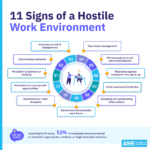 How to anonymously report unsafe working conditions
How to Report Unsafe Working Conditions to OSHA
Reporting unsafe working conditions to the Occupational Safety and Health Administration (OSHA) is a critical step in protecting not only your own well-being but also the safety of your coworkers.
Employees or their representatives have the right to file a complaint with OSHA if they believe there are hazardous conditions in the workplace that pose a serious threat to physical safety or health. The process can be completed online, by phone, by mail, or in person at a regional OSHA office.
Importantly, OSHA allows complaints to be filed anonymously, and workers are protected by law from retaliation for reporting safety concerns. Once a complaint is filed, OSHA will determine the appropriate response, which may include conducting an inspection, requesting employer response, or providing guidance resources.
Types of OSHA Complaints You Can File
OSHA recognizes three main types of complaints: formal, informal, and follow-up. A formal complaint, typically submitted using OSHA Form 7, leads to a workplace inspection and is the most effective way to initiate an investigation.
 Report a business for unsafe working conditions
This type of complaint must be signed by you or your representative and should detail specific hazards such as lack of fall protection, exposure to toxic chemicals, or improper machine guarding. Informal complaints are generally handled over the phone or email and may result in OSHA sending an information packet to the employer rather than conducting a direct inspection.
Follow-up complaints are appropriate if hazards were previously reported but no corrective action was taken. Knowing which type of complaint to file ensures your report receives the right level of attention.
Steps to Filing an OSHA Complaint Online or In-Person
Filing a complaint with OSHA is designed to be accessible and straightforward. You can start the process online by visiting the OSHA website and completing the Online Complaint Form, which allows you to report hazards in various industries including construction, manufacturing, and healthcare.
The form asks for details such as the nature of the hazard, location, employer name, and whether you want your identity kept confidential. Alternatively, you can call the nearest OSHA regional office or visit in person to file a complaint verbally.
 How to report a business for unsafe working conditions
When filing in person or by phone, an OSHA representative will assist you in documenting the issue and explain your rights. After submission, you will receive a confirmation, and OSHA will notify the employer about the complaint.
What Happens After You Report to OSHA?
Once a complaint is filed, OSHA evaluates its severity and urgency to determine the next steps. For serious hazards that could result in death or serious physical harm, OSHA typically conducts an unannounced on-site inspection. During the inspection, an OSHA compliance officer will examine the workplace, review safety records, and interview workers.
The employer must be given a copy of the complaint, but your identity remains protected unless you authorize its release. If violations are found, OSHA may issue citations and require the employer to correct the hazards by a specific deadline.
Employers who receive complaints are legally prohibited from retaliating—firing, demoting, or harassing employees—for reporting unsafe conditions. You can follow up with OSHA to check the status of your complaint and confirm that corrective actions were taken.
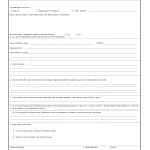 Osha reporting unsafe working conditions
| Step | Action | Key Details |
|---|---|---|
| 1 | Identify the Hazard | Clearly describe the unsafe condition (e.g., exposed wiring, lack of PPE). |
| 2 | Choose Reporting Method | Online, phone, mail, or in-person at an OSHA office. |
| 3 | File the Complaint | Use OSHA Form 7 for formal complaints; include details and request confidentiality if needed. |
| 4 | OSHA Review and Response | OSHA may inspect, issue citations, and set correction deadlines. |
| 5 | Follow-Up | Contact OSHA to verify action taken and ensure hazard correction. |
Frequently Asked Questions
How can I report unsafe working conditions to OSHA?
You can report unsafe working conditions to OSHA by filing a complaint online via the OSHA website, calling your local OSHA office, or mailing a completed complaint form.
The online complaint form is the fastest method and allows you to remain anonymous if requested. Be sure to include specific details such as the workplace location, hazards observed, and any injuries or illnesses related to the conditions.
Do I need to provide my name when reporting to OSHA?
No, you do not need to provide your name when filing a complaint with OSHA. You can request confidentiality, and OSHA will not disclose your identity to your employer.
However, providing your contact information helps OSHA follow up if more details are needed. Anonymous complaints are still investigated, but they may receive lower priority compared to signed ones with verifiable information.
What types of hazards can I report to OSHA?
You can report any workplace hazard that violates OSHA standards or poses a serious threat to employee safety, such as exposed wiring, lack of protective equipment, dangerous machinery, chemical exposure, or inadequate emergency procedures.
Both physical dangers and health risks like poor air quality or repetitive motion hazards qualify. OSHA investigates complaints involving imminent danger, fatalities, or failure to follow safety regulations.
What happens after I submit a complaint to OSHA?
After you submit a complaint, OSHA reviews it and may conduct a phone or in-person inspection. If an inspection occurs, OSHA representatives will visit your workplace, often without notifying the employer in advance. They will examine the reported hazards, interview workers, and check records. If violations are found, OSHA can require the employer to correct them and may issue citations or penalties.
Leave a Reply