
File claim for unpaid wages

Workers who have not received wages they’ve earned may have legal options to recover what they are owed. Filing a claim for unpaid wages is a critical step toward seeking justice and ensuring fair compensation.
Whether due to withheld pay, missed overtime, or unreported hours, employees are protected under federal and state labor laws. Understanding the process, deadlines, and required documentation can significantly increase the chances of a successful claim.
This guide explains how to file a claim, where to submit it, and what steps to take if an employer fails to comply. Taking action promptly helps protect your rights and recover rightful earnings.
 File a claim for unpaid wages in california
How to File a Claim for Unpaid Wages in the United States
Filing a claim for unpaid wages is a legal process that allows employees to recover compensation they are owed by their employer, including back pay, overtime, or wages withheld illegally.
In the United States, both federal and state laws protect workers' rights to prompt and full payment for their work. The Fair Labor Standards Act (FLSA) sets the foundation for wage protections, ensuring minimum wage and overtime pay for eligible employees.
If an employer fails to pay wages lawfully earned, the employee can file a complaint with either the U.S. Department of Labor’s Wage and Hour Division (WHD) or the appropriate state labor agency. The filing process generally requires submitting a formal claim with documentation such as pay stubs, work schedules, and employment contracts to substantiate the claim.
It’s important to act quickly, as statutes of limitations apply—typically two years for a standard claim and up to three years for willful violations under the FLSA. Employees are protected from retaliation for filing wage claims, and in many cases, can recover not only unpaid wages but also liquidated damages or attorney fees.
 How to file a claim for unpaid wages in california
Understanding Eligibility for Filing an Unpaid Wage Claim
To file a claim for unpaid wages, an employee must generally be covered by wage protection laws such as the FLSA or equivalent state statutes. Most hourly and salaried workers qualify, including part-time, temporary, and undocumented workers, as wage laws typically apply regardless of immigration status.
Independent contractors may not be covered under wage and hour laws, so the nature of the working relationship must be evaluated. Eligibility also depends on the type of unpaid compensation claimed—such as minimum wage violations, unpaid overtime, missing final paycheck, or unreimbursed work expenses.
Certain exemptions apply to specific professions like executive, administrative, or professional employees earning above a certain salary threshold. Gathering employment records, such as time logs and payment history, strengthens the claim and helps establish eligibility during the investigation process.
Steps to File a Wage Claim with Federal or State Agencies
Filing a wage claim begins with choosing the appropriate agency—either the federal Wage and Hour Division (WHD) or the state labor department, depending on jurisdiction and the nature of the claim.
 How to file a claim for unpaid wages in florida
Employees can file online, by phone, or by submitting a paper form, and are encouraged to provide detailed information including employer name, address, dates of employment, and a description of the unpaid wages. Upon filing, the agency will notify the employer and begin an investigation, which may include reviewing payroll records and interviewing witnesses.
The process can result in a recovery of back wages, a settlement agreement, or, in some cases, legal enforcement actions. While federal claims under the FLSA are free and do not require an attorney, some states allow workers to file in small claims court for faster resolution. It’s essential to maintain copies of all filings and communications throughout the process.
Common Reasons for Unpaid Wage Claims and How to Document Them
Unpaid wage claims arise from various employer violations, including failure to pay minimum wage, not compensating for all hours worked, denying legally required overtime, or withholding final paychecks after termination.
Other frequent issues are off-the-clock work, where employees perform tasks without recorded pay, and misclassification of employees as exempt or independent contractors to avoid wage obligations. To support a claim, employees should compile thorough documentation such as timecards, schedules, emails ordering work, text messages, and bank deposit records.
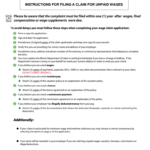 How long do i have to claim unpaid wages
Witness statements from coworkers can also strengthen a case. Keeping a personal log of work hours and pay received can be critical, especially if the employer’s records are incomplete or inaccurate. Proper documentation not only validates the claim but helps agencies determine the amount of back wages owed during their review.
| Issue | Description | Supporting Evidence |
|---|---|---|
| Unpaid Overtime | Not receiving 1.5 times regular pay for hours worked over 40 in a workweek (non-exempt employees). | Time logs, pay stubs, work emails, manager approvals. |
| Minimum Wage Violations | Earning less than federal ($7.25) or applicable state minimum hourly rate. | Pay records, job duties list, employment agreement. |
| Final Paycheck Withholding | Not receiving wages after quitting or being fired, in violation of state law. | Termination date, state payday requirements, communication with employer. |
| Off-the-Clock Work | Performing job duties before or after scheduled shifts without pay. | Personal work logs, security logs, witness accounts. |
| Employee Misclassification | Being labeled as exempt or contractor to avoid overtime or minimum wage. | Duties comparison, salary level, contract terms. |
Frequently Asked Questions
How do I file a claim for unpaid wages?
To file a claim for unpaid wages, contact your state’s labor department or the U.S. Department of Labor’s Wage and Hour Division. Submit documentation such as pay stubs, work schedules, and employment contracts. Complete the required forms, which are often available online. The agency will review your claim and may investigate or mediate with your employer to recover the wages you're owed.
What types of unpaid wages can I claim?
You can claim unpaid wages including minimum wage, overtime pay, final paycheck, commissions, bonuses, or missed meal and rest breaks, depending on state laws. Both federal and state labor laws protect workers’ right to timely and full payment. Keep records proving hours worked and agreed-upon pay rates. If your employer failed to pay any part of your earned wages, you likely have grounds for a claim.
Is there a deadline to file an unpaid wage claim?
Yes, there are deadlines, known as statutes of limitations. Under the Fair Labor Standards Act, you generally have two years to file a claim, or three years for willful violations. Many states have similar or shorter time limits. It’s important to act quickly and file as soon as possible after wages are owed. Delays may reduce your ability to recover unpaid wages.
 How long do you have to claim unpaid wages
Can my employer retaliate against me for filing a wage claim?
No, it is illegal for an employer to retaliate against you for filing a wage claim. Federal and state laws protect employees from retaliation, such as firing, demotion, or reduction in hours. If retaliation occurs, you may be entitled to additional damages. Report any retaliatory actions immediately to the labor department or seek legal advice to protect your rights.
Leave a Reply