
Best jobs for undocumented workers

Undocumented workers often face significant challenges in the job market, from legal restrictions to limited access to formal employment.
Despite these barriers, many find opportunities in industries that value hard work, reliability, and flexibility over documentation status. Certain sectors, such as agriculture, construction, hospitality, and food services, consistently seek labor and are more likely to hire individuals regardless of immigration status.
These roles often provide entry-level access, on-the-job training, and potential for cash-based or flexible pay. While working without legal status carries risks, understanding the landscape of in-demand jobs can help undocumented individuals make informed decisions, build skills, and contribute meaningfully to the economy.
 How many undocumented workers in texas
Best Jobs for Undocumented Workers in the U.S.
Undocumented workers in the United States often face legal and structural barriers when seeking employment, yet many find opportunities in industries that rely on labor-intensive work and have high demand for flexible, low-wage employees.
While they are not authorized to work legally under federal law, some sectors operate with less scrutiny or utilize cash-based payments, allowing undocumented individuals to find livelihoods despite their status.
These jobs typically do not require formal work authorization checks, especially in informal or subcontracted roles. The most accessible fields include agriculture, construction, hospitality, domestic work, and food service, where employers may prioritize reliability and skill over documentation.
Although these positions often come with risks such as wage theft, lack of benefits, and unsafe working conditions, they remain vital sources of income for many undocumented immigrants. Understanding the landscape of these jobs helps inform discussions about labor rights, economic contributions, and reform in immigration and employment policy.
 How much are undocumented farm workers paid
Jobs in Agriculture and Farm Work
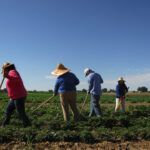
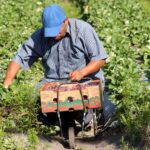
Agriculture remains one of the most common employment sectors for undocumented workers, particularly in states like California, Texas, and Florida where large-scale farming operations depend heavily on manual labor. Undocumented individuals often work as field harvesters, crop thinners, or nursery workers, performing physically demanding tasks under challenging conditions.
Employers in this sector frequently hire through informal channels or labor contractors, making it easier for undocumented individuals to secure work without formal identification. Although some farms comply with federal labor laws, many workers face issues such as low wages, long hours, exposure to pesticides, and lack of access to clean water or shade.
Additionally, because this work is seasonal, income can be inconsistent, affecting long-term financial stability. Despite these hardships, agricultural jobs continue to be among the most accessible for undocumented immigrants due to the industry’s reliance on immigrant labor and limited enforcement of documentation requirements in rural areas.
Opportunities in Construction and Manual Labor
The construction industry offers numerous job opportunities for undocumented workers, especially in cities experiencing rapid development or rebuilding after natural disasters.
 How much did undocumented workers pay in taxes in 2022
Common roles include construction laborers, framers, roofers, painters, and drywall installers, many of which are subcontracted, reducing the likelihood of rigorous background or employment verification checks.
Although some larger construction firms follow strict hiring protocols, smaller contractors often operate informally, paying workers in cash and bypassing official payroll systems. This environment allows undocumented individuals to find steady work, particularly if they have skills in manual trades.
However, these jobs often lack safety training, workers' compensation, and protective equipment, increasing the risk of injury. Moreover, wage theft is a common issue, with some employers refusing to pay fully or on time, knowing workers may be hesitant to report abuses due to their immigration status.
Work in Hospitality and Food Service
The hospitality and food service industry, including restaurants, hotels, and catering companies, consistently employs a significant number of undocumented workers, especially in kitchen and cleaning roles. Positions such as dishwashers, line cooks, housekeepers, and busboys are often filled by immigrants who may lack formal documentation but possess relevant experience and a strong work ethic.
High employee turnover and the constant demand for low-wage labor make this sector particularly receptive to hiring workers informally. Many establishments, especially smaller or family-owned businesses, may use cash payments or third-party hiring networks to avoid formal employment verification.
While this provides access to employment, undocumented employees in hospitality frequently face exploitative conditions, including below-minimum wages, excessive overtime, and limited recourse for mistreatment. Language barriers and fear of deportation further isolate workers, making it difficult to seek help or assert labor rights.
| Industry | Common Jobs | Why Accessible to Undocumented Workers | Common Challenges |
|---|---|---|---|
| Agriculture | Harvesters, farmhands, nursery workers | Reliance on seasonal labor; hiring through contractors | Exposure to chemicals, low pay, lack of benefits |
| Construction | Labourers, roofers, painters, framers | Subcontracting reduces formal oversight | Workplace injuries, wage theft, no insurance |
| Hospitality & Food Service | Dishwashers, cooks, hotel cleaners | High turnover; informal hiring practices | Long hours, underpayment, language barriers |
Top Industries That Offer Opportunities for Undocumented Workers
The landscape of employment for undocumented workers in the United States includes a range of industries where demand for labor often outweighs the need for legal documentation.
Many undocumented individuals find work in sectors such as agriculture, construction, hospitality, landscaping, and domestic services, where employers may be more willing to hire off the books or through cash payments.
These industries typically have high turnover rates and labor shortages, making them accessible to workers without legal status. While these jobs often lack benefits and legal protections, they provide critical income and a means of supporting families.
Additionally, the informal nature of some roles allows undocumented workers to contribute meaningfully to local economies, especially in regions dependent on low-wage labor. Understanding which industries are most inclusive helps undocumented workers identify stable and potentially safer employment options.
Construction and Manual Labor Jobs
Construction remains one of the most viable fields for undocumented workers due to the high demand for manual labor and the prevalence of subcontracting, which can make employment verification less strict.
Roles such as general laborers, helpers, and assistants on building sites are frequently filled by undocumented individuals, particularly in fast-growing urban areas. Employers in this sector often prioritize experience and reliability over formal documentation, allowing workers to gain steady income and on-the-job training.
While working conditions can be hazardous and workers’ rights protections are frequently overlooked, many find long-term opportunities through networking and word-of-mouth referrals within close-knit communities.
Agriculture and Farm Work
Agricultural work is historically one of the most common job types for undocumented immigrants, particularly in states like California, Texas, and Florida, where farming is a major economic activity.
Harvesting crops, pruning plants, and tending livestock require physical endurance, but minimal formal education or legal paperwork, making these roles highly accessible. Many farms rely heavily on undocumented labor, especially during peak harvest seasons when demand spikes.
Although wages are often low and working conditions challenging, workers in this field may receive room and board or seasonal bonuses. Additionally, membership in farmworker cooperatives or advocacy groups can provide some level of support and community.
Landscaping and Yard Maintenance
Landscaping is another area where undocumented workers thrive, thanks to the flexibility of self-employment and small-scale contracting. Tasks like mowing lawns, trimming hedges, planting shrubs, and maintaining gardens are in consistent demand across residential and commercial areas. Many workers start as day laborers and eventually build their own customer base or join informal crews that operate independently. The low barrier to entry and ability to earn cash payments make this field particularly attractive. Over time, skilled individuals may invest in equipment and expand their services, increasing both income and independence without the need for official documentation.
Domestic Work and Housekeeping Services
Domestic work, including housekeeping, caregiving, and childcare, represents a significant source of employment for undocumented women in particular.
Many families hire cleaners or nannies privately, often paying in cash and bypassing formal background checks or tax reporting. These jobs are typically found through personal connections, community networks, or job boards in ethnic neighborhoods.
While the lack of legal oversight can lead to exploitation, such as unpaid wages or long hours, many domestic workers build trusting relationships with employers, resulting in steady and relatively safe positions. The intimate nature of the work also allows for flexibility and personal dignity when treated fairly.
Restaurant and Kitchen Support Roles
The restaurant industry offers numerous entry-level positions that are attainable for undocumented workers, especially in busy urban centers with large food service sectors.
Back-of-house roles such as dishwashers, kitchen prep staff, and line cooks are often filled by immigrants who may not need extensive language skills or formal credentials. High turnover and 24/7 operations create constant job openings, and many establishments prioritize speed and reliability over legal status.
While these positions typically come with long hours and minimal benefits, they provide valuable experience and the potential to advance to higher-paying roles within the kitchen hierarchy. Additionally, working in restaurants fosters networking opportunities that can lead to better jobs in the future.
Frequently Asked Questions
What are the best jobs for undocumented workers in the U.S.?
Undocumented workers often find opportunities in industries like agriculture, construction, landscaping, housekeeping, and food service.
These sectors frequently hire based on skills rather than documentation. Jobs such as farm laborer, janitor, cook, or day laborer are common due to high demand and lower barriers to entry. While employment is possible, workers should be cautious and understand their rights regarding wages and workplace safety.
Can undocumented immigrants legally work in the United States?
No, undocumented immigrants cannot legally work in the U.S. without proper authorization. Employers are required to verify work eligibility through Form I-9.
However, some hire undocumented individuals off the books, often in cash-based jobs. While these jobs exist, they lack legal protections, and workers may face exploitation or wage theft, so understanding basic labor rights is crucial even without documentation.
Are there risks for undocumented workers taking jobs in the U.S.?
Yes, undocumented workers face significant risks, including exploitation, wage theft, unsafe working conditions, and fear of deportation.
Without legal status, they may hesitate to report abuses. Employers might pay below minimum wage or ignore safety standards. It’s important for workers to know their basic human and labor rights, even without papers, and seek help from trusted community or legal aid organizations.
How can undocumented workers protect themselves while employed?
Undocumented workers should keep records of hours worked, wages earned, and communication with employers. They have rights under U.S. labor laws regardless of status, including minimum wage and safe working conditions. Workers should report serious abuses to labor rights groups or legal aid organizations that protect confidentiality. Building connections with trusted coworkers and advocacy groups can also provide support and protection on the job.
Leave a Reply