
Documented and undocumented workers
Workers, whether documented or undocumented, play a vital role in shaping economies and sustaining essential industries. Documented workers hold legal authorization to reside and work in a country, while undocumented workers often contribute without formal recognition or protection.
Despite differences in legal status, both groups participate in labor markets ranging from agriculture and construction to technology and healthcare. Undocumented workers frequently face challenges such as wage exploitation, limited access to benefits, and fear of deportation. Understanding the dynamics between these labor forces is critical for developing fair, inclusive policies that uphold human rights and economic stability.
Understanding the Realities of Documented and Undocumented Workers in the United States
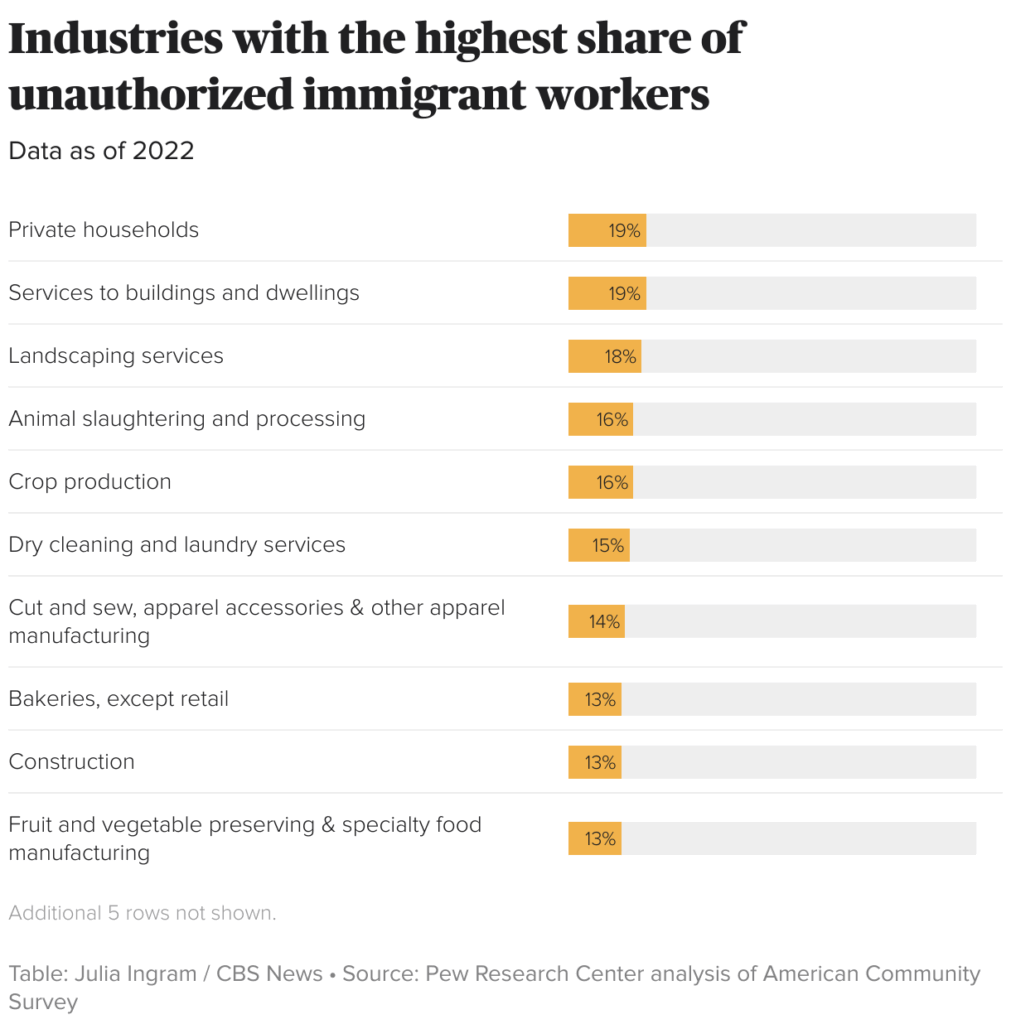
Documented and undocumented workers represent a significant portion of the U.S. labor force, contributing across key industries such as agriculture, construction, hospitality, and domestic services.
 How do undocumented workers help the economy
While documented workers possess legal authorization to work in the country—through visas, green cards, or citizenship—undocumented workers lack federal authorization, often due to expired visas, unauthorized entry, or barriers to legal status.
Despite their immigration status, both groups perform essential roles in the economy. However, undocumented workers frequently face significant challenges, including wage theft, workplace exploitation, limited access to healthcare, and fear of deportation.
Policies and workplace protections vary widely, and while some states offer labor rights regardless of status, federal laws often create a climate of vulnerability for undocumented individuals. Understanding the distinctions and commonalities between these two groups is critical to ensuring fair labor practices and inclusive economic policies.
Legal Rights and Protections for Documented and Undocumented Workers
Both documented and undocumented workers are entitled to certain basic labor protections under U.S. law, including the right to minimum wage, safe working conditions, and freedom from discrimination, as guaranteed by the Fair Labor Standards Act (FLSA) and Title VII of the Civil Rights Act.
 How do undocumented workers pay income tax
The National Labor Relations Act (NLRA) also protects the right to organize and collectively bargain, regardless of immigration status. However, in practice, undocumented workers often refrain from asserting these rights due to fear of employer retaliation or immigration enforcement.
While courts have affirmed that undocumented workers can recover back wages for unpaid labor, gaps in enforcement and lack of access to legal resources leave many vulnerable. Strengthening mechanisms for reporting abuse without immigration consequences remains a key challenge in ensuring equitable protection.
Economic Contributions of Documented and Undocumented Labor
Documented and undocumented workers alike are vital to the U.S. economy, particularly in sectors facing labor shortages.
Undocumented immigrants are estimated to make up about 4.4% of the U.S. workforce and contribute significantly through payroll taxes, consumer spending, and entrepreneurial activity—despite being ineligible for most public benefits. According to the Institute on Taxation and Economic Policy, undocumented workers paid an estimated $30.2 billion in federal taxes and $14 billion in state and local taxes in 2022.
 How do undocumented workers pay into taxes
Moreover, their labor supports industries that fuel economic growth, such as agriculture, where they comprise a substantial share of the workforce. Recognizing these economic contributions challenges misconceptions and underscores the need for comprehensive immigration reform that aligns legal status with economic reality.
Access to healthcare and social services differs significantly between documented and undocumented workers.
While documented workers may qualify for employer-sponsored insurance or public programs like Medicaid (depending on status and duration of residency), undocumented individuals are generally excluded from most federally funded benefits. This results in delayed medical care, increased public health risks, and higher emergency care costs.
Some states and cities offer limited health services regardless of status, but overall, undocumented workers face systemic barriers such as fear of exposure to immigration authorities, language gaps, and lack of employer-provided benefits. Expanding equitable access not only improves individual well-being but also strengthens public health systems and community resilience.
| Aspect | Documented Workers | Undocumented Workers |
|---|---|---|
| Work Authorization | Have legal right to work (visa, green card, citizenship) | No federal authorization; work often informal or off-the-books |
| Labor Protections | Full protection under FLSA, NLRA, and anti-discrimination laws | Legally entitled but rarely enforce due to fear of deportation |
| Access to Healthcare | Eligible for employer plans and public programs (if qualified) | Generally excluded from Medicaid and ACA subsidies |
| Tax Contributions | Pay federal, state, and local taxes with full reporting | Pay taxes via ITINs; contribute billions annually |
| Path to Citizenship | Eligible depending on immigration category | No legal pathway; requires immigration reform |
Understanding the Realities of Documented and Undocumented Workers in the U.S. Labor Force
The U.S. labor market relies heavily on both documented and undocumented workers, who contribute across industries such as agriculture, construction, hospitality, and domestic services.
While documented workers generally have legal authorization to work and access protections like minimum wage, healthcare, and unemployment benefits, undocumented workers often face exploitation due to their immigration status, working long hours in precarious conditions with little legal recourse.
These workers frequently avoid reporting labor violations out of fear of deportation or employer retaliation, creating a shadow workforce that fuels economic productivity while remaining largely invisible in policy discussions.
Despite their lack of legal status, undocumented immigrants pay billions in taxes annually, including Social Security and Medicare, often without eligibility to claim benefits. Recognizing the complex roles both groups play is essential for crafting fair labor and immigration policies that protect human rights and uphold economic integrity.
The distinction between documented and undocumented workers hinges on legal authorization to work in the United States. Documented workers possess valid visas, green cards, or citizenship, granting them access to formal employment, labor protections, and government benefits.
In contrast, undocumented workers lack such authorization, often entering the country without inspection or overstaying visas, which excludes them from federal labor safeguards. This legal limbo forces many into the informal economy, where employers may exploit their vulnerability by paying below minimum wage or ignoring safety regulations.
The absence of a Social Security number or work permit does not mean these individuals are inactive; rather, they contribute significantly to key economic sectors while living under constant threat of detection and removal.
Economic Contributions of Undocumented Workers
Despite their unauthorized status, undocumented workers make substantial contributions to the U.S. economy. They fill critical labor shortages in industries that many native-born workers avoid, especially low-wage, high-demand jobs in farming, food service, and landscaping.
According to research, undocumented immigrants contribute over $7 billion annually in federal taxes alone through withheld payroll taxes, even though many are ineligible for Social Security or Medicare benefits.
Their spending on housing, food, and services also stimulates local economies, particularly in regions with large immigrant populations. By sustaining essential sectors and generating tax revenue, undocumented workers underscore the contradiction between their economic value and their marginalized legal status.
Labor Rights and Vulnerabilities
Undocumented workers face extreme vulnerability in the workplace due to fear of job loss, wage theft, and deportation. Without legal protections, they are often subjected to unsafe working conditions, denied overtime pay, or forced to work without proper contracts.
Employers may leverage their immigration status to suppress complaints, knowing that reporting abuse could trigger immigration enforcement. Although federal laws like the Fair Labor Standards Act (FLSA) theoretically protect all workers regardless of status, enforcement is weak and access to justice is limited.
This power imbalance perpetuates exploitation and undermines broader labor standards, affecting not only undocumented individuals but also driving down wages for documented workers in the same fields.
Pathways to Legalization and Policy Debates
The debate over pathways to legalization for undocumented workers remains a central issue in U.S. immigration policy. Proposals such as the DREAM Act or earned legalization programs aim to provide a route to status for long-term residents, especially those brought as children or with clean records.
Supporters argue that such measures would integrate millions into the formal economy, increase tax compliance, and strengthen national security through regulated oversight.
Opponents often cite concerns over border security and rule of law, resisting what they perceive as “amnesty.” However, comprehensive reform that balances enforcement with legalization could reduce exploitation, enhance worker protections, and align labor policies with economic realities shaped by decades of undocumented labor.
Impact on Families and Communities
The presence of undocumented workers profoundly affects family stability and community development. Many support U.S.-born children who are citizens, creating mixed-status households where parents live under constant stress of separation.
Fear of immigration raids or detention discourages families from accessing healthcare, education, or social services, even when legally entitled. At the same time, these communities often form tight-knit support networks, contributing to cultural diversity and local entrepreneurship.
Churches, schools, and nonprofits frequently serve as lifelines, offering legal aid, language classes, and advocacy. The resilience of these families underscores the human dimension behind immigration statistics and highlights the broader social consequences of exclusionary policies.
Frequently Asked Questions
What is the difference between documented and undocumented workers?
Documented workers have legal authorization to live and work in a country, such as visas or work permits. Undocumented workers lack legal status or authorization. This means they often work without official permission, making them vulnerable to exploitation.
While both groups contribute to the economy, undocumented workers face limited legal protections, restricted access to services, and risk deportation, unlike their documented counterparts who enjoy greater rights and workplace safeguards.
Can undocumented workers receive any labor protections?
Yes, undocumented workers are entitled to certain basic labor protections under U.S. law, such as minimum wage, safe working conditions, and freedom from discrimination or retaliation. Federal laws like the Fair Labor Standards Act apply regardless of immigration status.
However, fear of deportation often prevents them from reporting violations. Employers who violate labor laws can face penalties. Advocacy groups encourage all workers, including undocumented ones, to know their rights and seek legal support when needed.
Are employers allowed to hire undocumented workers?
No, it is illegal for employers in the U.S. to knowingly hire or continue employing undocumented workers. Employers must verify identity and work eligibility using Form I-9 and may use E-Verify in some states. Penalties for hiring unauthorized workers include fines, criminal charges, and business sanctions.
However, some employers still exploit undocumented labor due to lower wages and reduced accountability. Enforcement varies, but immigration audits and worksite inspections aim to prevent illegal hiring practices.
How do undocumented workers impact the economy?
Undocumented workers contribute significantly to the economy by filling essential roles in agriculture, construction, service, and other labor-intensive industries. They pay billions in taxes, including sales and property taxes, and many contribute to Social Security without receiving benefits.
Their labor helps keep costs low for consumers and supports business growth. While debates continue over policy impacts, studies show that undocumented workers overall have a net positive economic effect when allowed to work legally and safely.
Leave a Reply