
How much taxes do undocumented workers pay
Undocumented workers contribute to the U.S. economy in significant ways, including through tax payments, despite their immigration status. Many pay federal, state, and local taxes using Individual Taxpayer Identification Numbers (ITINs) or false Social Security numbers.
The IRS estimates billions in tax revenue are collected annually from undocumented immigrants, particularly through income, sales, and property taxes—both direct and indirect. While they generally cannot access benefits like Social Security or welfare, their payments help fund public services.
This raises questions about fairness, economic impact, and policy reform. Understanding how much undocumented workers pay in taxes sheds light on their often-overlooked role in supporting the nation's financial infrastructure.
 Undocumented agricultural workers
How Much Taxes Do Undocumented Workers Pay?
Undocumented workers in the United States contribute significantly to the tax system despite their immigration status. Each year, many pay federal, state, and local taxes—including income, sales, and property taxes—often using Individual Taxpayer Identification Numbers (ITINs) or incorrect Social Security numbers.
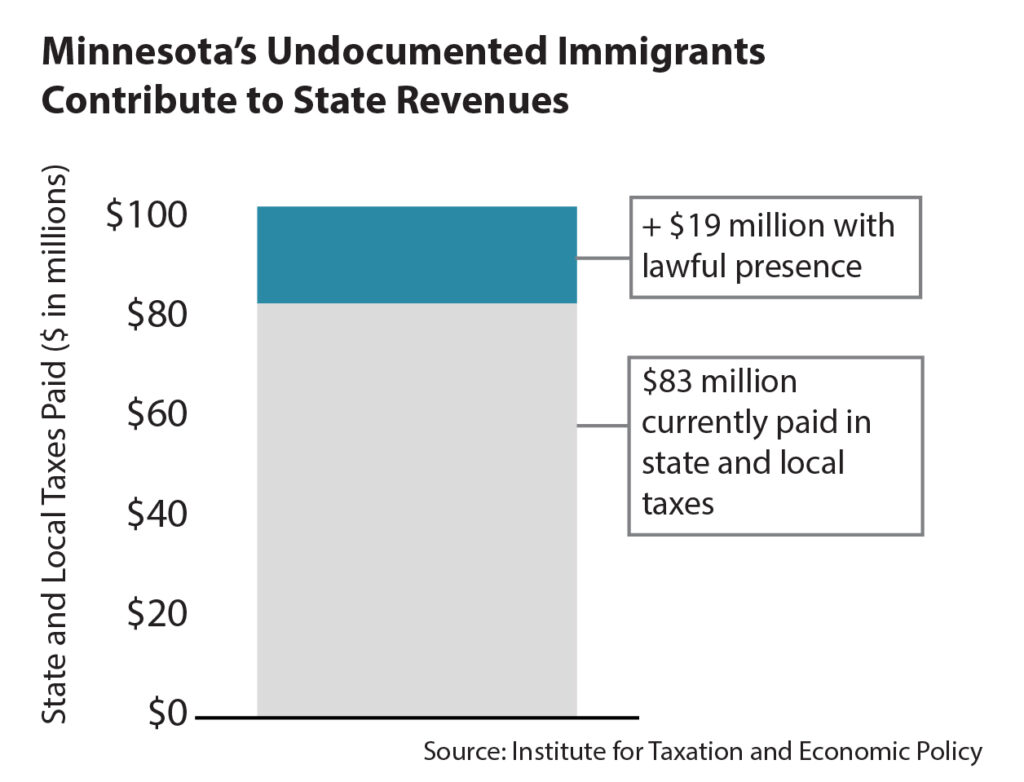
The Institute on Taxation and Economic Policy (ITEP) estimates that undocumented immigrants pay over $11.7 billion annually in state and local taxes alone.
At the federal level, they contribute billions more through payroll taxes, including Social Security and Medicare (FICA taxes), even though most are ineligible to receive benefits from these programs in the future.
These contributions help fund essential public services such as education, infrastructure, and healthcare. While exact figures vary, it is clear that undocumented workers are active participants in the U.S. tax system, often paying taxes without the legal right to claim certain benefits.
 Undocumented workers at mar a lago
Do Undocumented Workers File Income Taxes?
Yes, many undocumented workers file income tax returns, primarily to comply with U.S. tax laws and, in some cases, to qualify for financial benefits like the Child Tax Credit for children who are U.S. citizens.
The IRS allows taxpayers without valid Social Security numbers to use an Individual Taxpayer Identification Number (ITIN), which enables them to report income and pay taxes.
Despite misconceptions, studies show that a large proportion of undocumented immigrants file tax returns—IRS data indicates about 6 million ITINs are issued annually, many to undocumented individuals.
Moreover, paying taxes can demonstrate positive factors if immigration reform is pursued in the future, providing an incentive for compliance. Filing taxes also allows workers to build a verifiable income history, which can assist with renting housing, opening bank accounts, or applying for loans.
 Undocumented workers definition
Undocumented workers contribute billions of dollars annually to the Social Security system through payroll taxes, but most will never collect benefits due to their immigration status.
According to the Social Security Administration (SSA), in recent years, undocumented workers contributed around $13 billion per year into the Social Security trust fund. These payments are often made under borrowed or false Social Security numbers, which generate earnings records but typically do not lead to eligibility for future benefits.
This creates what economists call a fiscal surplus, where non-eligible workers fund the system that supports current retirees. The SSA's Earnings Suspense File, which collects wages reported under mismatched Social Security numbers, averages over $50 billion in wages annually, much of which stems from undocumented labor.
What Types of Taxes Do Undocumented Immigrants Pay?
Undocumented immigrants pay various types of taxes at the federal, state, and local levels, similar to documented residents. At the federal level, they pay income taxes and payroll taxes (FICA) when employed formally.
 Undocumented workers in agriculture
At the state level, they pay sales taxes on goods and services and property taxes, either directly through homeownership or indirectly through rent payments. In fact, all residents, regardless of immigration status, contribute to property taxes through rental agreements, as landlords factor these costs into rent prices.
Additionally, undocumented workers pay excise taxes on items like gasoline, alcohol, and tobacco. According to ITEP, the average undocumented household pays about 8.2% of its income in state and local taxes, a rate comparable to or even higher than many high-income households due to reliance on consumption-based taxes.
| Tax Type | Estimated Annual Payment by Undocumented Workers | Notes |
|---|---|---|
| State and Local Taxes | $11.7+ billion | Includes sales, income, and property taxes; varies by state. |
| Federal Payroll Taxes (FICA) | $13+ billion | Contributions to Social Security and Medicare; mostly non-refundable. |
| Federal Income Taxes | $6–$7 billion | Based on IRS estimates; many use ITINs to file returns. |
| Property Taxes (via rent) | Indirect contributions | Embedded in rental payments; impacts local school funding. |
Understanding the Tax Contributions of Undocumented Workers in the U.S.
Undocumented workers in the United States contribute significantly to the tax system despite their immigration status, often paying into federal, state, and local taxes through mechanisms such as income, sales, and property taxes—either directly or indirectly.
Many file taxes using an Individual Taxpayer Identification Number (ITIN), and studies estimate that undocumented immigrants collectively pay over $10 billion annually in state and local taxes alone.
 What does undocumented workers mean
Additionally, they contribute millions to Social Security and Medicare through payroll deductions, even though most are ineligible to receive benefits later. These contributions help fund essential public services, including education, infrastructure, and healthcare, highlighting the economic role undocumented workers play in American society.
How Do Undocumented Workers Pay Income Taxes?
Undocumented workers can file federal income taxes using an ITIN (Individual Taxpayer Identification Number), a tax processing number issued by the IRS regardless of immigration status.
While not all do so, many choose to file either to comply with tax laws, claim refunds, or build a record of presence in the U.S. The IRS estimates that over 6 million returns are filed each year using ITINs, resulting in billions of dollars in tax revenue.
These payments often include federal income and payroll taxes, though refunds may be limited based on eligibility. This process demonstrates a formal engagement with the federal tax system by a segment of the workforce frequently excluded from public discourse on taxation.
Do Undocumented Workers Pay Sales and Property Taxes?
Yes, sales and property taxes are paid by undocumented workers just like any other consumer or renter. When they purchase goods and services, they contribute to state and local sales tax revenues, which fund public programs and community services.
Even renters pay property taxes indirectly, as landlords typically include tax costs in rental rates. Studies suggest that undocumented households contribute approximately $28 billion annually in these combined taxes.
This widespread participation underscores their embeddedness in local economies and their unacknowledged support of essential government funding streams that benefit entire communities.
What Role Do Payroll Taxes Play in Their Contributions?
Undocumented workers frequently have payroll taxes withheld from their wages, including contributions to Social Security (FICA) and Medicare, just like documented employees.
Despite paying into these systems, most are ineligible to claim benefits due to their immigration status, creating a net gain for federal trust funds. The Social Security Administration estimates that $12–$14 billion annually is paid into the Social Security system by workers using ITINs or false Social Security numbers.
This “tax gap” results in long-term financial support for programs they cannot access, emphasizing their role in sustaining the financial health of social insurance programs.
How Much Do Undocumented Immigrants Contribute Overall?
Collectively, undocumented immigrants contribute substantial tax revenue to federal, state, and local governments. According to the Institute on Taxation and Economic Policy (ITEP), they paid an estimated $26.4 billion in taxes in 2022, including $10.8 billion in state and local taxes and over $15 billion in federal taxes.
These figures demonstrate that, despite lacking legal status and access to most public benefits, they are net contributors in many jurisdictions. Their economic activity supports public budgets in areas such as education, transportation, and emergency services, challenging narratives that portray them as financial burdens.
Why Don’t Undocumented Workers Qualify for Tax Refunds or Benefits?
Although they may pay taxes, undocumented workers are generally excluded from claiming key tax credits like the Earned Income Tax Credit (EITC) or Child Tax Credit (CTC) unless they have qualifying dependents with Social Security numbers.
Moreover, they are ineligible for Social Security, Medicare, unemployment, or welfare benefits, despite funding some of these programs.
This exclusion stems from federal laws that tie benefit access to legal immigration status and valid work authorization. As a result, their net tax contributions are often positive, meaning they pay in more than they receive—a dynamic that reinforces their role as unrecognized stakeholders in the U.S. economy.
Frequently Asked Questions
Do undocumented workers pay taxes?
Yes, undocumented workers pay taxes, including sales, property, and sometimes income taxes. Many file taxes using Individual Taxpayer Identification Numbers (ITINs). They contribute billions annually to federal, state, and local governments. While some work off the books, those in formal jobs have payroll taxes withheld. Undocumented workers help fund public services they often cannot access, such as Social Security, from which they rarely benefit.
Undocumented workers can use an Individual Tax Identification Number (ITIN) issued by the IRS to file taxes. The ITIN allows them to comply with tax laws even without a Social Security number. They submit Form 1040 with their ITIN and report income earned. Many file independently or through tax preparers. Using an ITIN doesn’t grant legal status but enables tax contributions and can support future immigration applications.
Undocumented workers contribute over $13 billion annually to Social Security through payroll tax withholdings. Since many use false or borrowed Social Security numbers, they pay into the system but rarely claim benefits. The Social Security Administration’s Earnings Suspense File contains billions in wages from mismatched records, largely from undocumented workers. These contributions help sustain the system for eligible recipients despite the workers’ ineligibility to draw future benefits.
Are taxes refunded to undocumented workers who file with an ITIN?
Undocumented workers who file with an ITIN may receive tax refunds if they overpaid through withholding. They qualify for refundable credits like the Additional Child Tax Credit in certain cases, but not the standard Earned Income Tax Credit. Refunds depend on the amount paid versus tax liability. Filing promotes compliance and may assist in future immigration relief, though receiving a refund is less common due to limited credit eligibility.
Leave a Reply