
Where do i file a claim for unpaid wages
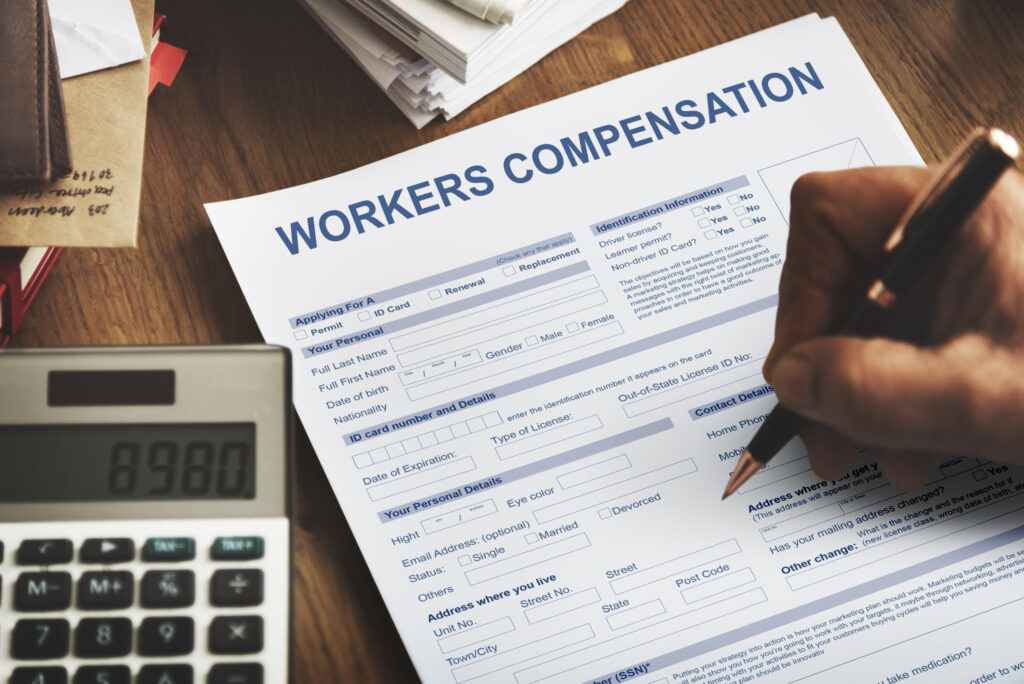
When employees don't receive the wages they’ve earned, it can cause significant financial hardship. Knowing where and how to file a claim for unpaid wages is a crucial step in reclaiming what is rightfully yours.
In the United States, workers have legal protections under federal and state labor laws, such as the Fair Labor Standards Act (FLSA), which govern wage payment and overtime. Claims can typically be filed with either the U.S.
Department of Labor’s Wage and Hour Division or a state labor agency, depending on the circumstances. Understanding your rights, documenting your work hours and pay, and acting promptly are essential steps to ensure your claim is processed efficiently.
 File claim for unpaid wages
Where Do I File a Claim for Unpaid Wages?
If you believe you have not been paid the wages you are owed, you can file a claim with either a federal or state labor agency, depending on your situation. In the United States, the primary federal agency responsible for enforcing wage laws is the U.S.
Department of Labor’s Wage and Hour Division (WHD). You can file a complaint with the WHD if your employer violates the Fair Labor Standards Act (FLSA), which covers issues like minimum wage, overtime pay, and misclassification of employees. Alternatively, most states have their own labor departments that handle wage claims—often more quickly and with lower filing fees than federal agencies.
Filing a claim typically requires you to provide documentation such as pay stubs, work schedules, employment contracts, and any communication regarding pay. It's important to act quickly, as there are statutes of limitations—usually two to three years—that apply to wage claims, depending on whether the violation was willful.
Who Can File a Wage Claim?
Any employee who has not received wages they are legally entitled to, including minimum wage, overtime, final paycheck, or unpaid commissions, may file a wage claim. This includes full-time, part-time, temporary, and even undocumented workers, as wage protection laws generally cover all employees regardless of immigration status.
 How to file a claim for unpaid wages
Independent contractors typically do not qualify for wage claims unless they were misclassified and should have been treated as employees. To file, you must have evidence of employment and the unpaid wages, such as timesheets, emails, or employer records.
Minors, salaried workers, and hourly employees all have the right to pursue claims if they've been underpaid. It's essential to confirm your employment status and understand the laws that protect your right to fair compensation.
How to File a Wage Claim with the DOL or State Agency
To file a wage claim, start by determining whether to go through the U.S. Department of Labor (DOL) or your state’s labor department.
For federal claims under the FLSA, visit the DOL's Wage and Hour Division website and submit a complaint online, by phone, or in person at a local office. The process usually involves filling out a complaint form, providing detailed information about your employer, work hours, pay rate, and the nature of the unpaid wages.
 File a claim for unpaid wages in california
Many states, such as California, New York, and Texas, offer online portals where you can file claims directly with their labor commissioner or department of labor. Be sure to keep copies of all submitted documents and follow up regularly, as agencies may request additional information during their investigation.
What Happens After Filing a Wage Claim?
After you file a wage claim, the relevant labor agency will review your case and may contact your employer for a response. They could initiate an investigation, requesting payroll records, interview witnesses, or schedule a conference or hearing.
If the investigation finds that wages are owed, the agency may issue a recovery order requiring your employer to pay the back wages, and in some cases, additional penalties. Employers who fail to comply may face fines or legal action.
Throughout the process, retaliation against you for filing a claim is illegal, and you have the right to take further legal action if necessary. The time it takes to resolve a claim varies, from a few weeks to several months, depending on complexity and agency workload.
 How to file a claim for unpaid wages in california
| Agency | Where to File | Time Limit to File | Key Coverage |
|---|---|---|---|
| U.S. Department of Labor (WHD) | dol.gov/agencies/whd | 2 years (3 if willful) | FLSA violations: minimum wage, overtime |
| California Labor Commissioner | dir.ca.gov/dlse | 3 years for wage theft | State wage laws, meal/rest breaks, final pay |
| New York Dept. of Labor | dol.ny.gov | 6 years for written contracts | Overtime, minimum wage, wage notice |
| Texas Workforce Commission | twc.texas.gov | 180 days from when wages were due | Unpaid wages, commissions, final paycheck |
Filing an Unpaid Wages Claim: Key Steps to Recover What You’re Owed
Recovering unpaid wages begins with understanding the correct process for filing a claim, which typically involves determining whether your case falls under federal or state labor laws administered by agencies like the U.S. Department of Labor’s Wage and Hour Division (WHD) or your state labor department.
Employees must first gather essential documentation such as pay stubs, timesheets, employment contracts, and any communication regarding pay discrepancies. Once prepared, a formal complaint can be submitted either online, by mail, or in person, depending on the jurisdiction.
It’s critical to act promptly because statutes of limitations may restrict the timeframe for filing, often ranging from one to three years. Filing a claim is generally free, and retaliation by employers for filing a wage claim is illegal under the Fair Labor Standards Act (FLSA) and many state laws.
Identify the Appropriate Government Agency
The first step in filing a claim for unpaid wages is determining which agency has jurisdiction. For most workers, claims can be filed with either the U.S. Department of Labor (DOL) under the Fair Labor Standards Act (FLSA) or with your state’s labor or workforce agency, such as a state department of labor or labor commissioner’s office. Some states have stronger wage protection laws and may offer faster resolution than federal channels.
Workers in industries like construction or government contracting may also have additional avenues under specific regulations such as the Davis-Bacon Act. Researching your state’s labor division website will provide clarity on where to direct your claim and which rules apply to your employment.
Gather Necessary Documentation and Evidence
To strengthen your claim for unpaid wages, collecting comprehensive documentation is essential. This includes pay stubs, work schedules, timecards, employment contracts, offer letters, emails discussing pay, and any written warnings or performance reviews.
If you were paid in cash, bank deposit records, witness statements, or personal logs of hours worked can serve as valuable evidence. The more detailed and organized your records, the more credible your claim becomes when reviewed by investigators.
Agencies like the Wage and Hour Division (WHD) rely heavily on documentation to verify employment conditions and calculate back wages owed, so having a complete file significantly increases the likelihood of a favorable outcome.
Understand the Statute of Limitations
Each jurisdiction imposes a statute of limitations that determines how long you have to file a claim for unpaid wages after the violation occurred.
Under the FLSA, employees generally have two years to file a claim, or three years in cases of willful violations. However, state laws vary—some extend the deadline to three or even four years. Missing this deadline typically bars recovery, so timely action is crucial.
The clock usually starts from the date the wages were due or from the last paycheck received. If ongoing violations exist, such as repeated failure to pay overtime, the statute may apply to the most recent violation, allowing claims for earlier periods.
Submit Your Claim Through the Right Channel
Once prepared, submit your complaint via the proper filing channel—either online, by mail, or in person—through the DOL’s WHD website or your state labor department’s portal. Federal claims typically use the WHD’s Public Portal to file a complaint form, while state procedures may involve downloadable forms or direct intake systems. Be sure to include all relevant details such as employer information, dates of employment, nature of the wage violation (e.g., unpaid overtime, minimum wage violations, or withheld final paycheck), and the amount of wages owed. Accurate and complete submissions reduce delays and help agencies initiate investigations promptly.
Know Your Protections Against Retaliation
Employees are protected by law from retaliation when filing a claim for unpaid wages. Under the FLSA and most state labor codes, it is illegal for an employer to fire, demote, reduce hours, or otherwise punish an employee for asserting their right to fair pay.
If you experience adverse treatment after making a complaint, this can result in additional penalties against the employer and may strengthen your case.
You can report retaliation to the same agency handling your wage claim, and in some cases, pursue separate legal action for damages. Awareness of these protections encourages workers to seek justice without fear of losing their job or facing workplace hostility.
Frequently Asked Questions
Where do I file a claim for unpaid wages?
You can file a claim for unpaid wages with the U.S. Department of Labor’s Wage and Hour Division (WHD) or your state’s labor department. Federal law covers many workers, but some states have additional protections. Visit the WHD website or your state labor agency’s site to submit a complaint online, by mail, or in person. Filing is free and you don’t need a lawyer.
What information do I need to file a wage claim?
To file a wage claim, gather pay stubs, work schedules, employment contracts, and any communication about pay. Include your personal details, employer’s name and address, dates worked, hours performed, and wages owed. Accurate records strengthen your case. If you lack documents, provide a detailed written statement about your work and pay issues. The labor agency will review your evidence to investigate.
How long do I have to file an unpaid wage claim?
Under the Fair Labor Standards Act (FLSA), you generally have two years to file a claim for unpaid wages, or three years if the violation was willful. Some states have different deadlines, so check your local labor laws. It’s best to file as soon as possible to preserve evidence and ensure your claim is accepted. Delays may reduce your chances of recovery.
Can I be fired for filing a wage claim?
No, it is illegal for an employer to fire, demote, or retaliate against you for filing a wage claim. Federal and state laws protect employees who assert their right to fair pay. If you suffer retaliation, report it immediately to the Wage and Hour Division or your state labor office. You may be entitled to additional remedies, including reinstatement, back pay, or damages for wrongful treatment.
Leave a Reply