
Racial discrimination in movies
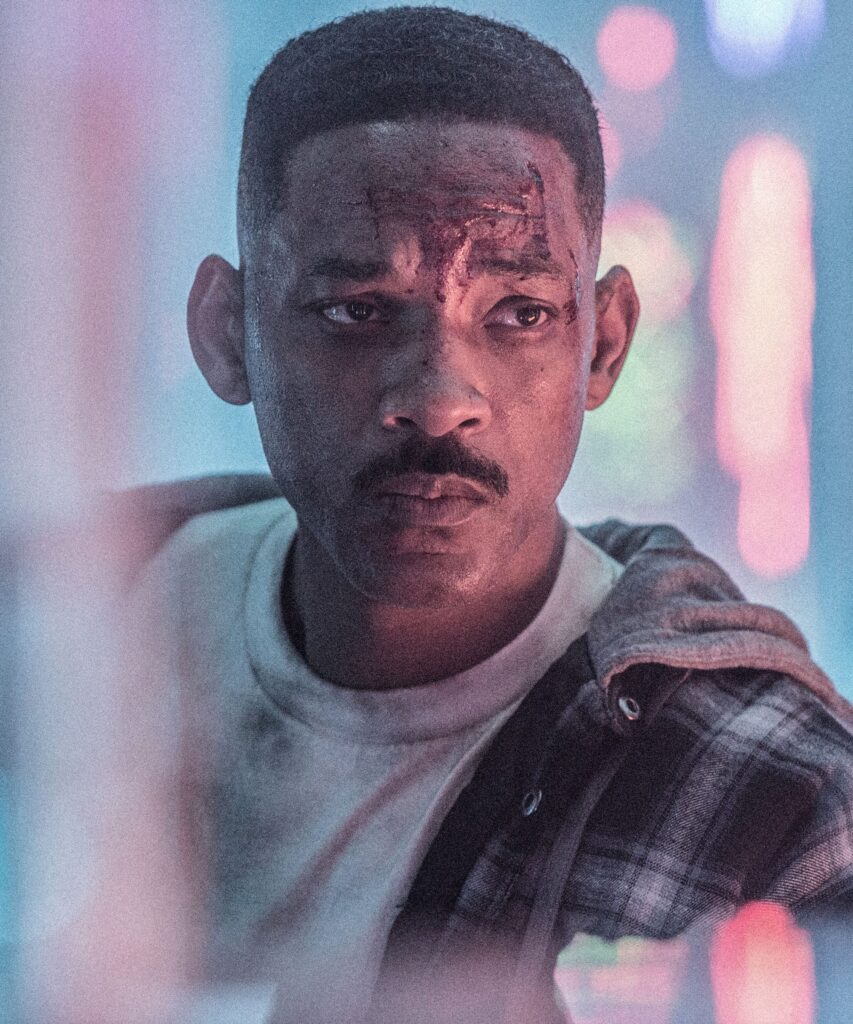
Racial discrimination in movies has long been a pervasive issue, shaping narratives and limiting opportunities for marginalized communities.
From early Hollywood portrayals that relied on harmful stereotypes to modern cinema’s ongoing struggles with representation, the film industry has often reflected and reinforced societal biases.
Despite progress, people of color continue to face systemic barriers in casting, storytelling, and behind-the-camera roles. Films that challenge these norms are frequently undervalued, while whitewashing and tokenism remain prevalent.
 What qualifies as sexual harassment
This article explores the historical roots and current manifestations of racial discrimination in cinema, examining how representation, or the lack thereof, impacts both audiences and artists.
Racial Discrimination in Movies: Reflecting and Perpetuating Systemic Inequities
The film industry has long served as both a mirror and a mold of societal values, yet it has also been a platform where racial discrimination is not only evident but often perpetuated.
From early Hollywood portrayals that relied on harmful stereotypes—such as the “mammy,” “sambo,” or “exotic native”—to modern casting decisions that continue to sideline actors of color, the entertainment industry has consistently marginalized racial minorities.
Even as calls for diversity increase, systemic barriers remain, including underrepresentation in lead roles, the prevalence of whitewashing, and limited opportunities behind the camera.
 Difference between harassment and sexual harassment
These inequities not only distort narratives but also reinforce real-world biases, shaping how audiences perceive different racial groups. Addressing racial discrimination in movies requires acknowledging these historical patterns and confronting the structural imbalances that still influence storytelling today.
Historical Stereotypes and Their Lingering Impact
Throughout the 20th century, Hollywood relied heavily on racially caricatured roles that dehumanized African Americans, Asian Americans, Latinx, and Indigenous peoples. Films like The Birth of a Nation (1915) glorified the Ku Klux Klan while portraying Black men as dangerous and unintelligent, setting a precedent for generations of negative representation.
Similarly, yellowface performances, such as those in Breakfast at Tiffany’s with Mickey Rooney as Mr. Yunioshi, demonstrated Hollywood’s disregard for authentic casting. These portrayals were not merely entertainment—they influenced public perception and reinforced segregationist ideologies.
Although such overt stereotypes are less common today, their legacy persists in subtler forms, including the tokenization of characters of color and the continued casting of white actors in ethnically diverse roles, which underscores the industry’s failure to fully break from its discriminatory roots.
 Difference between sexual assault and harassment
Underrepresentation and the Lack of Diverse Storytelling
Despite demographic shifts and growing demand for inclusivity, people of color remain drastically underrepresented in film, both on-screen and behind the scenes.
According to studies by the USC Annenberg Inclusion Initiative, between 2007 and 2022, actors from underrepresented racial/ethnic groups accounted for less than 30% of speaking roles in top-grossing films.
This underrepresentation is compounded by the fact that stories centering on Black, Indigenous, or other communities of color are often dismissed as “niche” and not marketed broadly.
Furthermore, the lack of diverse writers, directors, and producers limits the authenticity of narratives, leading to oversimplified or stereotypical plots. When marginalized communities are excluded from the creative process, their lived experiences are either ignored or misrepresented, reinforcing power imbalances within the industry and limiting cinematic innovation.
 Employer sexual harassment
Whitewashing and Cultural Appropriation in Casting
Whitewashing—the practice of casting white actors in roles originally meant for people of color—continues to spark widespread controversy and exemplifies deep-seated biases in film production.
Notable examples include Scarlett Johansson playing the lead in Ghost in the Shell (2017), a character of Japanese origin, and Emma Stone portraying a part-Hawaiian, part-Asian character in Aloha (2015).
These decisions are not isolated incidents but patterns rooted in the belief that white actors have greater box office appeal or marketability. Such casting choices do more than deny opportunities to qualified actors of color—they erase cultural specificity and contribute to systemic erasure in media.
Additionally, cultural appropriation in costume, language, or accents without context often accompanies these roles, reducing rich cultural identities to aesthetic trends, which disrespects the source communities and perpetuates colonial dynamics in storytelling.
| Issue | Description | Notable Example |
|---|---|---|
| Historical Stereotypes | Early films used exaggerated, demeaning portrayals of racial minorities to reinforce social hierarchies and justify discrimination. | Mickey Rooney’s yellowface performance in Breakfast at Tiffany’s (1961) |
| Underrepresentation | People of color are significantly underrepresented in leading and supporting roles across major studio releases. | Only 14.4% of lead roles went to underrepresented racial/ethnic groups in 2022 (USC Annenberg) |
| Whitewashing | Casting white actors in roles belonging to non-white characters, often erasing cultural identity. | Scarlett Johansson in Ghost in the Shell, a Japanese-origin story |
Frequently Asked Questions
What is racial discrimination in movies?
Racial discrimination in movies refers to the unfair or biased representation of racial and ethnic groups in film content, casting, and storytelling. It includes stereotyping, underrepresentation, or exclusion of certain races, as well as the casting of white actors in roles meant for people of color. This can perpetuate harmful societal biases and limit opportunities for minority actors and filmmakers.
How does racial discrimination affect casting in Hollywood?
Racial discrimination in casting often results in limited roles for actors of color, typecasting into stereotypical parts, or being overlooked for leading roles. Despite progress, people of color remain underrepresented, especially in major productions. Whitewashing—casting white actors in non-white roles—also persists, reinforcing exclusion and denying authentic representation in cinema.
What are examples of racial stereotyping in films?
Examples include portraying Black characters as criminals, Latinx individuals as gang members, Asian characters as overly intelligent or submissive, and Native Americans as mystical or primitive. These stereotypes reduce diverse cultures to narrow, often negative clichés. Such portrayals influence public perception and reinforce systemic biases, making it harder to achieve equitable and authentic representation in the film industry.
What steps are being taken to reduce racial discrimination in movies?
The film industry is addressing racial discrimination through inclusive casting, diversity initiatives, and supporting filmmakers of color. Organizations are advocating for equal opportunities, while studios are adopting equity standards. Movements like OscarsSoWhite have spurred change, leading to more diverse nominations and storytelling. Though challenges remain, increased awareness and policy changes are driving progress toward fairer representation.
Leave a Reply