
Racial discrimination in jury selection
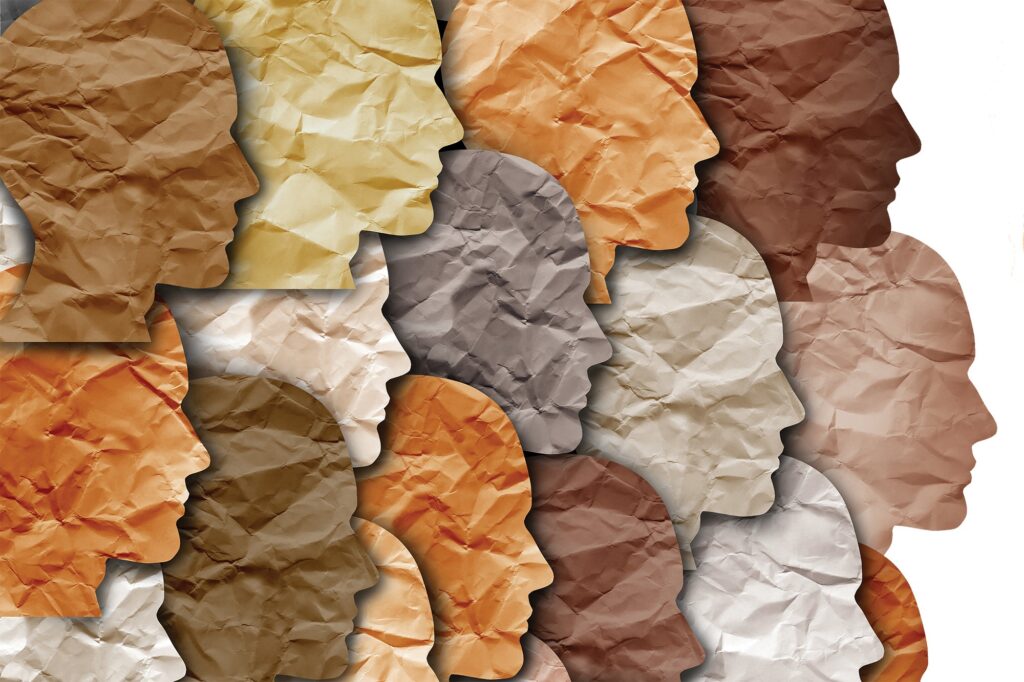
Racial discrimination in jury selection remains a persistent issue within the American legal system, undermining the principle of a fair and impartial trial. Despite constitutional protections and landmark rulings like Batson v.
Kentucky, which prohibit the exclusion of jurors based on race, discriminatory practices continue through peremptory challenges and subtle biases. Studies show that people of color are disproportionately excluded from juries, often without meaningful judicial intervention.
This systemic inequity erodes public trust and disproportionately impacts defendants of color. Addressing racial discrimination in jury selection requires not only legal reform but also a deeper examination of implicit biases and the structural inequalities embedded in the justice process.
 Is sexual innuendo harassment
Racial Discrimination in Jury Selection: A Persistent Injustice in the Legal System
Racial discrimination in jury selection remains a critical flaw in the American justice system, undermining the constitutional right to a fair trial by an impartial jury. Despite legal safeguards such as the Equal Protection Clause and landmark rulings like Batson v.
Kentucky (1986), which prohibited the use of peremptory challenges to exclude jurors based solely on race, discriminatory practices persist through subtler means. Prosecutors and defense attorneys may invoke ostensibly race-neutral justifications—such as demeanor, attire, or perceived juror skepticism—to systematically remove individuals from racial minorities.
These practices disproportionately affect Black, Latino, and Indigenous communities, resulting in juries that do not reflect the demographic composition of the population and potentially biasing trial outcomes.
Furthermore, the burden of proving intentional discrimination rests heavily on defendants, and courts often accept weak or subjective explanations for juror exclusions, perpetuating a cycle of underrepresentation and institutional distrust.
 What qualifies as sexual harassment
Historical Context of Racial Bias in Jury Selection
The roots of racial discrimination in jury selection stretch back to the post-Civil War era, when Southern states systematically excluded Black citizens from jury service through discriminatory laws, literacy tests, and economic requirements like property ownership.
Even after the 14th Amendment guaranteed equal protection, many jurisdictions maintained all-white juries by permitting all-male, taxpaying citizens only—effectively excluding African Americans and women. The Supreme Court addressed this in Strauder v.
West Virginia (1880), ruling that excluding jurors based on race violated the Constitution, yet enforcement was weak and evasion widespread. It wasn't until the 20th century and cases like Norris v. Alabama (1935), involving the Scottsboro Boys, that the Court began more actively scrutinizing systematic exclusion.
However, the transition from overt exclusion to covert manipulation through peremptory challenges, which allow attorneys to dismiss potential jurors without stating a reason, has allowed racial bias to endure under a veneer of legality.
 Difference between harassment and sexual harassment
Modern Mechanisms of Exclusion and the Batson Challenge
In contemporary courtrooms, racial discrimination in jury selection primarily occurs during the voir dire process, where attorneys use peremptory challenges to shape the jury.
While Batson v. Kentucky (1986) established that race cannot be the decisive factor in such exclusions, its implementation has significant limitations.
Defendants must first establish a prima facie case of discrimination, often requiring statistical evidence of disproportionate strikes against a racial group. Once alleged, prosecutors can offer race-neutral explanations—such as a juror’s occupation, responses to questions, or even body language—which courts frequently accept even when suspect.
Subsequent cases like Miller-El v. Dretke (2005) reinforced Batson by recognizing patterns of behavior across cases as evidence, but many discriminatory tactics go unchallenged due to lack of resources, inadequate record-keeping, or judicial deference. This has led critics to argue that Batson challenges are often ineffective, creating a gap between legal principle and courtroom reality.
 Difference between sexual assault and harassment
Impact of Racially Skewed Juries on Trial Outcomes and Public Trust
Juries that lack racial diversity not only violate the defendant’s right to a fair trial but also influence deliberations and verdicts in measurable ways.
Studies show that diverse juries deliberate more thoroughly, consider a wider range of perspectives, and are less likely to rely on stereotypes or make factual errors.
For instance, research from the American Psychology-Law Society indicates that racially mixed juries spend more time reviewing evidence and are more open to discussing alternative viewpoints than all-white panels. When communities of color see themselves systematically excluded from juries, it erodes confidence in the legal system and reinforces perceptions of systemic bias and inequality.
This diminished trust can discourage civic participation, reduce juror compliance, and fuel tensions between law enforcement and minority communities. Ultimately, the integrity of justice depends on inclusivity—without it, verdicts risk being seen not as impartial judgments, but as products of an unequal process.
| Issue | Description | Legal or Social Consequence |
|---|---|---|
| Peremptory Challenges | Allow attorneys to dismiss potential jurors without stating a cause; often exploited to exclude racial minorities under seemingly neutral pretexts. | Enables racial bias to persist despite legal prohibitions like the Batson rule. |
| Underrepresentation | Minority groups, particularly Black and Latino citizens, are consistently underrepresented in jury pools due to socioeconomic barriers and discriminatory selection. | Leads to juries that do not mirror community demographics, threatening trial fairness. |
| Batson Challenge | Legal procedure allowing a party to object when they believe jurors are being excluded based on race. | Often ineffective in practice due to high burden of proof and judicial tolerance of subjective justifications. |
Racial Discrimination in Jury Selection: A Comprehensive Legal Guide
What is racial discrimination in jury selection and how does it impact fair trials?
Definition and Historical Context of Racial Discrimination in Jury Selection
- Racial discrimination in jury selection refers to the systematic exclusion of individuals from serving on juries based on their race or ethnicity, which undermines the principle of a fair and impartial jury guaranteed by the Sixth and Fourteenth Amendments in the United States.
- Historically, this practice has deep roots in American jurisprudence, particularly in the post-Reconstruction and Jim Crow eras, when Black citizens were routinely excluded from juries through mechanisms like literacy tests, property requirements, and outright intimidation.
- Although laws such as the Civil Rights Act of 1875 and later court rulings like Strauder v. West Virginia (1880) and Batson v. Kentucky (1986) sought to eliminate racial bias in jury selection, discriminatory practices persist in more subtle forms, such as the disproportionate use of peremptory challenges to exclude minority jurors.
Methods and Mechanisms of Racial Exclusion in Jury Pools
- One of the primary tools used to discriminate is the peremptory challenge, which allows attorneys to dismiss potential jurors without stating a reason; however, when these challenges are used to exclude individuals solely based on race, they violate constitutional protections.
- Court officials may also manipulate jury source lists by drawing names from voter registration rolls or driver’s license databases, which can underrepresent minority communities due to lower registration rates caused by socioeconomic disparities and historical disenfranchisement.
- Prosecutors, in particular, have been scrutinized for disproportionately using peremptory strikes against Black and Latino prospective jurors, a practice documented in numerous studies and highlighted in cases like Foster v. Chatman (2016), where evidence showed race-based decision-making in juror selection.
Impact on Fair Trial Rights and Public Trust in Justice
- When juries lack racial diversity, they may fail to represent a cross-section of the community, which compromises the defendant’s right to be tried by an impartial and representative jury, potentially leading to biased verdicts.
- Exclusion based on race reinforces systemic inequities in the justice system, signaling to minority communities that they are not full participants in legal processes, thereby eroding public confidence in the fairness and legitimacy of court outcomes.
- Moreover, diverse juries have been shown through social science research to deliberate more thoroughly, consider a wider range of perspectives, and make fewer factual errors, indicating that racial discrimination in jury selection not only violates rights but also diminishes the quality of justice delivered.
What is Rule 47 and its role in addressing racial discrimination in jury selection?
What Is Rule 47 in the Context of Jury Selection?
- Rule 47 refers to a provision in the Federal Rules of Evidence that addresses the court’s authority to permit or limit the voir dire examination of potential jurors during the jury selection process. While it does not explicitly mention racial discrimination, it provides a procedural framework that judges use to manage and ensure fairness in jury selection.
- Under Rule 47, the trial judge has discretion over how much questioning attorneys may conduct of prospective jurors. This includes setting boundaries on the topics and duration of questioning, which can influence how effectively attorneys can identify bias, including racial bias, in jurors.
- The rule enables the court to maintain impartiality by allowing early detection of prejudices through structured questioning. Although Rule 47 itself does not prohibit race-based exclusions, it supports broader efforts to uphold fairness, which are reinforced by constitutional rulings like Batson v. Kentucky.
How Does Rule 47 Interact with Constitutional Protections Against Racial Discrimination?
- Rule 47 operates within a legal framework that includes constitutional safeguards against racial discrimination in jury selection, such as the Equal Protection Clause of the Fourteenth Amendment. While Rule 47 governs the procedural aspect of juror questioning, constitutional law provides the substantive rights limiting discriminatory practices.
- The rule allows attorneys to ask targeted questions that can uncover implicit or explicit racial bias among jurors, thereby supporting the enforcement of constitutional protections. For example, if a prosecutor excludes jurors of a certain race, the defense can use information gathered during voir dire to argue a Batson challenge.
- Judicial discretion under Rule 47 becomes critical when attorneys need to gather sufficient information to prove discriminatory intent. If judges overly restrict voir dire, they may inadvertently hinder the ability to detect and challenge racially motivated jury exclusions, undermining constitutional guarantees.
What Are the Limitations of Rule 47 in Fighting Racial Bias in Juries?
- One major limitation is that Rule 47 does not directly prevent discriminatory actions such as peremptory challenges based on race. It only regulates the questioning phase and does not impose penalties or enforce anti-discrimination measures by itself.
- Judicial interpretation of Rule 47 varies widely across courts, which can result in inconsistent application. In some cases, judges may limit questioning so severely that attorneys cannot adequately assess racial bias, weakening the effectiveness of anti-discrimination efforts.
- Because Rule 47 focuses on procedure rather than outcomes, it does not address systemic issues such as underrepresentation of minority groups in jury pools. Thus, even with thorough voir dire, the starting pool may already reflect racial imbalances due to broader societal and administrative factors.
Is there racial bias in jury selection processes?

Historical Context of Racial Bias in Jury Selection
- Jury selection in the United States has long been influenced by racial discrimination, particularly during the eras of slavery and legal segregation, when Black individuals were systematically excluded from juries through both formal laws and informal practices.
- In 1880, the Supreme Court case Strauder v. West Virginia ruled that excluding citizens from juries based solely on race violated the Equal Protection Clause, yet states continued to circumvent this ruling through literacy tests, property requirements, and other ostensibly race-neutral methods.
- Even after landmark decisions like Powell v. Alabama (1932) and Smith v. Texas (1940), which sought to ensure fair representation, African Americans and other minority groups remained underrepresented in jury pools for decades due to persistent social and institutional barriers.
Peremptory Challenges and Contemporary Discrimination
- One of the main mechanisms enabling modern racial bias in jury selection is the use of peremptory challenges—tools allowing attorneys to dismiss potential jurors without stating a reason, which can lead to discriminatory exclusion even when overt racism is denied.
- The 1986 Supreme Court decision in Batson v. Kentucky attempted to curb this abuse by prohibiting prosecutors from striking jurors based on race, but enforcement has been inconsistent, and attorneys often provide race-neutral justifications that courts accept, even when evidence of bias is present.
- Studies have shown that minority prospective jurors are disproportionately targeted during jury selection across various jurisdictions, and defense attorneys, particularly in capital cases, frequently report encountering racially skewed juries despite objecting under Batson challenges.
Demographic Disparities and Underrepresentation in Jury Pools
- Even before peremptory challenges come into play, racial bias can occur at the initial stage of compiling jury pools, which are often drawn from sources like voter registration or driver's license records, leading to underrepresentation of marginalized communities with lower participation in these systems.
- Low-income communities and people of color are less likely to have access to reliable transportation, flexible work schedules, or childcare, making it harder for them to serve on juries, thus skewing the demographic composition of prospective jurors.
- Research has consistently shown that underrepresented minority groups in jury pools result in juries that lack diverse perspectives, which can affect trial outcomes, particularly in cases involving defendants or victims of the same racial or ethnic background.
Frequently Asked Questions
What is racial discrimination in jury selection?
Racial discrimination in jury selection occurs when potential jurors are excluded from serving based on their race or ethnicity. This practice violates constitutional rights and undermines the fairness of the judicial process.
Courts have ruled such actions unconstitutional, especially under the Equal Protection Clause. Despite legal prohibitions, implicit biases and discriminatory tactics, like peremptory challenges, continue to raise concerns about equitable representation in juries.
How does racial discrimination affect jury fairness?
Racial discrimination in jury selection compromises the fairness and impartiality of trials. When certain racial groups are excluded, juries may lack diverse perspectives, potentially leading to biased decisions.
This undermines public trust in the justice system and can result in wrongful convictions or unequal treatment. A diverse jury better reflects the community and improves deliberation quality, contributing to more just and equitable outcomes in criminal and civil cases.
What legal protections exist against racial bias in jury selection?
The U.S. Supreme Court case Batson v. Kentucky (1986) established that using peremptory challenges to exclude jurors based on race violates the Equal Protection Clause. If a party suspects racial discrimination, they can raise a Batson challenge.
Courts must then review the reasons for removal. However, enforcement remains difficult, as prosecutors may offer non-racial justifications. Ongoing reforms seek to strengthen these protections and eliminate implicit bias in jury selection practices.
What are peremptory challenges, and how do they enable racial discrimination?
Peremptory challenges allow attorneys to dismiss potential jurors without stating a reason, traditionally to ensure impartiality. However, they can be misused to exclude jurors based on race, undermining fair representation.
Although Batson rulings prohibit this, proving discriminatory intent is challenging. Some states have restricted or eliminated peremptory challenges to reduce bias. Reform advocates argue that eliminating or closely regulating these challenges is essential to achieving equitable jury selection.
Leave a Reply