
Bob jones university racial discrimination
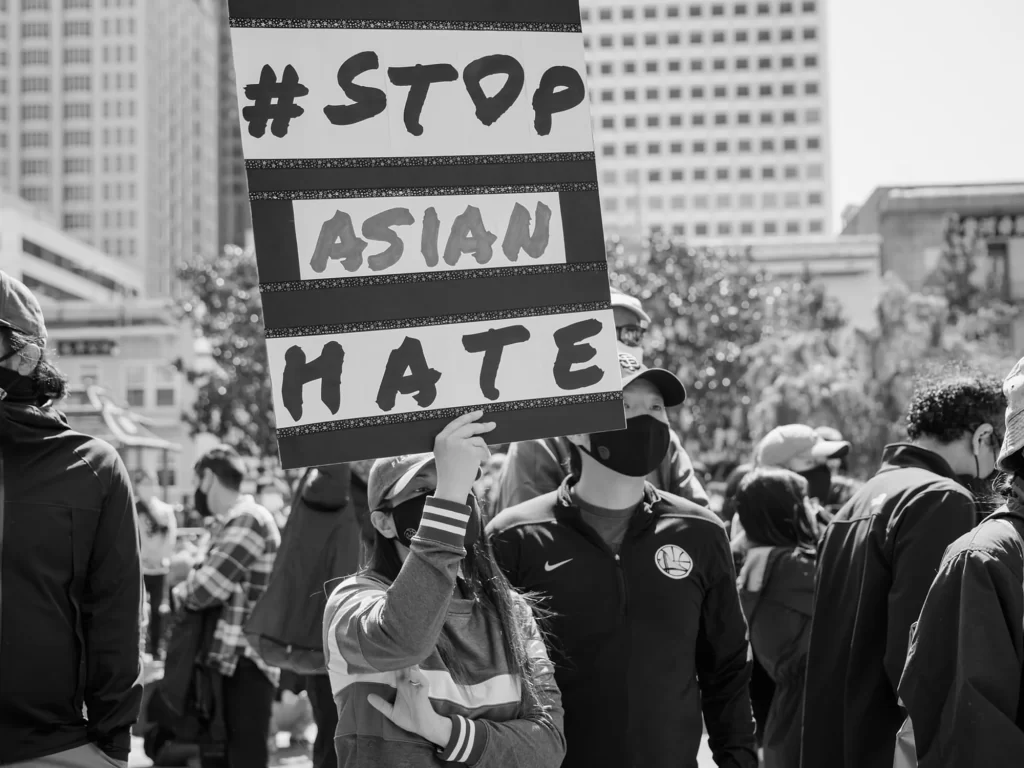
Bob Jones University, a private Christian institution in Greenville, South Carolina, has faced longstanding scrutiny over its history of racial discrimination.
Founded in 1927, the university maintained a strict policy banning interracial dating and marriage among students for decades, rooted in religious interpretations. This stance drew national criticism and led to significant legal and social consequences, including the loss of tax-exempt status in the 1970s.
Although the university officially ended its ban in 2000, the legacy of its policies continues to raise questions about racial inclusion within religious educational institutions. This article explores the historical context, key events, and ongoing impact of Bob Jones University's discriminatory practices.
 Wrongful termination after maternity leave
Racial Discrimination Controversies at Bob Jones University
Bob Jones University (BJU), a private evangelical Christian institution located in Greenville, South Carolina, has been historically associated with significant controversies regarding racial discrimination, particularly due to its long-standing policies that prohibited interracial dating and enrollment restrictions based on race. Established in 1927, the university reflected the segregationist values prevalent in parts of the American South during the 20th century.
For decades, BJU enforced strict rules that barred African American students from attending and banned all students—regardless of race—from engaging in interracial romantic relationships, citing religious interpretations as justification. These policies drew widespread criticism from civil rights groups, educational authorities, and the broader public, culminating in a pivotal legal battle with the U.S. federal government over tax-exempt status.
Although the university eventually lifted its ban on Black students in 1975 and rescinded its anti-interracial dating policy in 2000, the legacy of these actions continues to influence perceptions of the institution’s commitment to racial inclusion.
Historical Racial Admission Policies at Bob Jones University
Bob Jones University maintained a formal policy of racial segregation from its founding until 1971, explicitly refusing admission to African American students based on theological arguments rooted in fundamentalist Christian ideology.
 Wrongful termination defense
Even after the Civil Rights Act of 1964, BJU defended its exclusionary practices by claiming that integration conflicted with its religious beliefs. In 1970, the U.S.
Department of Health, Education, and Welfare (HEW) denied the university tax-exempt status unless it adopted a policy of racial nondiscrimination. This led to a prolonged legal conflict that reached the U.S. Supreme Court in Bob Jones University v.
United States (1983), where the Court ruled 8–1 that the government could revoke tax-exempt status for private institutions practicing racial discrimination, emphasizing that social welfare and civil rights outweighed religious exemption claims in such matters.
Interracial Dating Ban and Religious Justifications
Even after allowing African American students to enroll in 1971, Bob Jones University enforced a strict ban on interracial dating that persisted for nearly three more decades. The administration justified this policy using selective biblical interpretations, asserting that racial separation was consistent with divine order and necessary for maintaining institutional purity.
 Wrongful termination settlements
This rule affected not only Black and white students but all students of different races, reinforcing a culture of racial division within campus life. The policy drew increasing opposition during the 1990s as societal norms evolved and the university sought improved public relations, especially as it aimed to host high-profile visitors.
Finally, in 2000, then-president Bob Jones III announced the reversal of the ban, acknowledging that the policy had been a stumbling block to evangelism and racial reconciliation, though the decision was met with both praise and internal resistance.
Federal Legal Battle and Loss of Tax-Exempt Status
The conflict between Bob Jones University and the federal government over racial discrimination culminated in the landmark Supreme Court case Bob Jones University v. United States (1983).
At the heart of the case was the IRS’s revocation of BJU’s tax-exempt status under section 501(c)(3) of the Internal Revenue Code, due to its racially discriminatory admissions policies. The university argued that its practices were protected under the First Amendment's Free Exercise Clause.
However, the Supreme Court ruled unanimously that the government had a fundamental interest in eradicating race-based discrimination in education, and that this interest overrode any religious claims in this context. The decision set a significant precedent, affirming that nonprofit organizations must comply with public policy standards, including racial equality, to maintain tax-exempt status.
| Policy/Event | Year | Description |
|---|---|---|
| Segregated Admissions | 1927–1971 | Bob Jones University excluded African American students based on religious beliefs and Southern segregationist principles. |
| Supreme Court Ruling | 1983 | The Court upheld the revocation of tax-exempt status, declaring that federal law cannot subsidize racially discriminatory practices. |
| Interracial Dating Ban Lifted | 2000 | University ended its decades-long policy forbidding interracial romantic relationships among students. |
Frequently Asked Questions
What is the history of racial discrimination at Bob Jones University?
Bob Jones University maintained a policy banning interracial dating and marriage among students until 2000, rooted in its religious beliefs. This policy, along with its initial segregationist stance until 1971, drew national criticism and led to the loss of its tax-exempt status in 1976.
The university formally apologized in 2000 for its past racial positions. While the school has since taken steps toward inclusion, its history remains controversial in discussions about race and religion in American education.
When did Bob Jones University end its racial discrimination policies?
Bob Jones University ended its policy of racial segregation in 1971 under legal and public pressure. However, it continued to prohibit interracial dating until 2000. The university officially reversed this ban after renewed national scrutiny, particularly during George W.
Bush's 2000 presidential campaign, when he spoke at the school. The leadership later acknowledged the policies were wrong, marking a turning point in its efforts to change its public image and promote racial reconciliation.
Did Bob Jones University face legal consequences for racial discrimination?
Yes, Bob Jones University lost its federal tax-exempt status in 1976 due to its racially discriminatory policies. The U.S. Supreme Court ruled in Bob Jones University v.
United States (1983) that the IRS could deny tax exemption to schools practicing racial discrimination, as it conflicted with federal public policy. This landmark decision reinforced that private institutions receiving public benefits must adhere to anti-discrimination laws, setting an important precedent in civil rights and education law.
How has Bob Jones University addressed its past racial issues?
Bob Jones University has taken several steps to address its history of racial discrimination. In 2000, then-president Bob Jones III issued a public apology for past racist policies. The university has since promoted diversity initiatives and admitted African American students and faculty. While still conservative in theology, it claims to welcome all races. Critics remain skeptical, but the institution continues to work on reconciliation through dialogue, outreach, and efforts to reflect a more inclusive environment.
Leave a Reply