
Can i sue walmart for racial discrimination
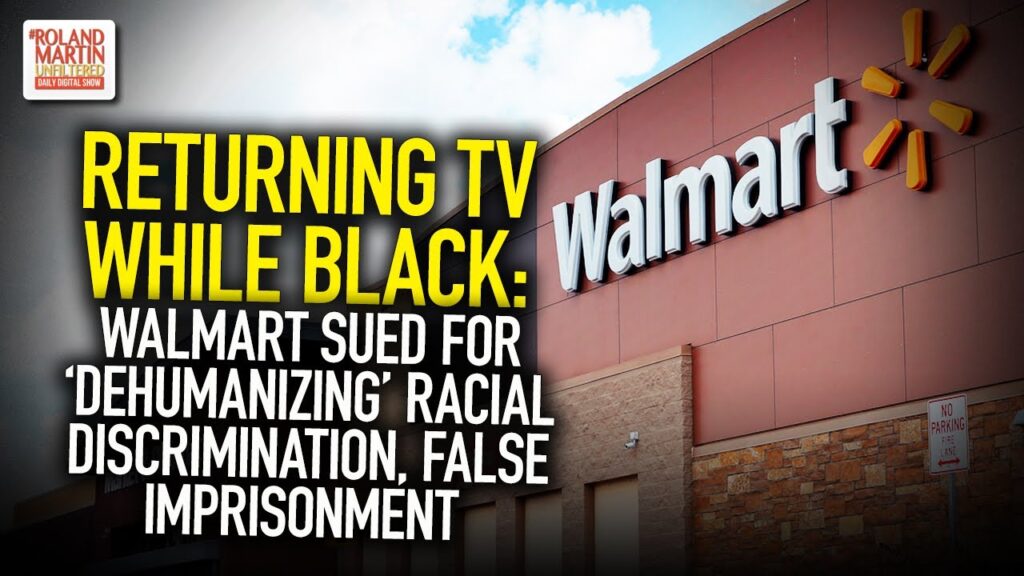
Discrimination in the workplace or public spaces is a serious issue, and Walmart, as one of the largest retailers in the world, has faced allegations of racial discrimination over the years.
If you believe you’ve been treated unfairly due to your race while shopping, applying for a job, or working at a Walmart location, you may wonder whether legal action is possible.
Federal and state laws, such as Title VII of the Civil Rights Act, prohibit racial discrimination in employment and public accommodations. This article explores the legal grounds for suing Walmart for racial discrimination, the types of evidence needed, and the steps involved in filing a claim.
 Wrongful termination statute of limitations
Can I Sue Walmart for Racial Discrimination?
Yes, you can sue Walmart for racial discrimination if you have been subjected to unfair treatment based on your race in employment, customer service, or any other interaction governed by civil rights laws. Federal laws such as Title VII of the Civil Rights Act of 1964 protect individuals from racial discrimination in the workplace, and similar protections apply to consumers under certain circumstances.
To pursue a legal claim, you must demonstrate that the discriminatory actions were directly tied to your race and that they resulted in tangible harm, such as termination, denial of promotion, harassment, or denial of service.
Before filing a lawsuit, you typically need to file a complaint with the Equal Employment Opportunity Commission (EEOC) or a similar state agency, which will investigate the claim and issue a right to sue letter if appropriate. Gathering evidence, such as witness statements, emails, performance reviews, or surveillance footage, is crucial in building a strong case.
Recognizing Signs of Racial Discrimination at Walmart
Racial discrimination at Walmart—or any workplace or retail environment—can take many forms, including disparaging remarks, unequal treatment in hiring or promotions, disciplinary actions applied more harshly to certain racial groups, or racially motivated harassment.
 Best workplace lawyers for wrongful termination
As a customer, you may experience discrimination through refusal of service, excessive surveillance, or being followed or questioned by employees based solely on your race.
These behaviors may be overt or subtle, but if they create a hostile, intimidating, or demeaning environment, they may meet the legal definition of discrimination. It’s important to document any incidents, noting dates, times, individuals involved, and any witnesses, as this information will be vital in supporting a claim. Recognition is the first step toward legal action.
Legal Process for Filing a Racial Discrimination Lawsuit
To file a racial discrimination lawsuit against Walmart, you must first exhaust administrative remedies by submitting a charge to the EEOC within 180 days of the discriminatory incident (which extends to 300 days in some states). The EEOC will investigate and may attempt to settle the dispute; if no resolution is reached, they will issue a Notice of Right to Sue.
Once you have this document, you can file a lawsuit in federal or state court. The lawsuit must include detailed allegations supported by evidence, and you may be represented by an employment or civil rights attorney.
 Federal wrongful termination law
Legal proceedings can involve discovery, depositions, and potentially a trial. Success in court can result in remedies such as back pay, reinstatement, compensatory damages, and punitive damages if intentional discrimination is proven.
Important Factors That Strengthen a Discrimination Claim
Several key factors can significantly strengthen a racial discrimination claim against Walmart. First, direct evidence such as racist comments, discriminatory policies, or emails conveying bias holds substantial weight.
Second, comparative evidence—showing that employees or customers of other races were treated more favorably in similar circumstances—can support claims of disparate treatment. Third, patterns or practices of discrimination within a store or region may indicate systemic issues, especially if other individuals have reported similar experiences.
Additionally, timely reporting of incidents to management or HR and maintaining a record of all communications can demonstrate your attempt to resolve the matter internally. The strength of a case often hinges on documented evidence and witness credibility.
| Element | Description |
|---|---|
| Title VII of the Civil Rights Act | Federal law prohibiting employment discrimination based on race, color, religion, sex, or national origin. |
| EEOC Charge | Required administrative step before filing a lawsuit; must be filed within 180 or 300 days of the incident. |
| Right to Sue Letter | Document issued by the EEOC allowing the individual to proceed with a private lawsuit. |
| Compensatory Damages | Monetary compensation for emotional distress, lost wages, and other harms caused by discrimination. |
| Punitive Damages | Additional damages awarded to punish the employer for malicious or reckless conduct; subject to caps. |
Can I Sue Walmart for Racial Discrimination? A Legal Guide
What evidence is required to support a racial discrimination lawsuit against Walmart?
Direct Evidence of Racial Discrimination
To support a racial discrimination lawsuit against Walmart, direct evidence may be used to demonstrate explicitly biased actions or statements. This type of evidence typically includes written or verbal communications that reveal discriminatory intent based on race. Such proof can be powerful in court because it clearly links the discrimination to the employee’s race without requiring inference.
Examples might include emails, memos, or recorded statements from managers or coworkers that contain racial slurs, stereotyping, or admissions of unequal treatment due to race. While direct evidence is less common, when available, it can significantly strengthen a plaintiff’s case.
- Demonstrative written communications, such as internal emails or notes, showing racial bias from supervisors or managers.
- Audio or video recordings where individuals affiliated with Walmart make racially derogatory remarks related to employment decisions.
- Company policies or memos that explicitly differentiate treatment based on race, even if not formally enforced.
Pattern and Practice of Discriminatory Behavior
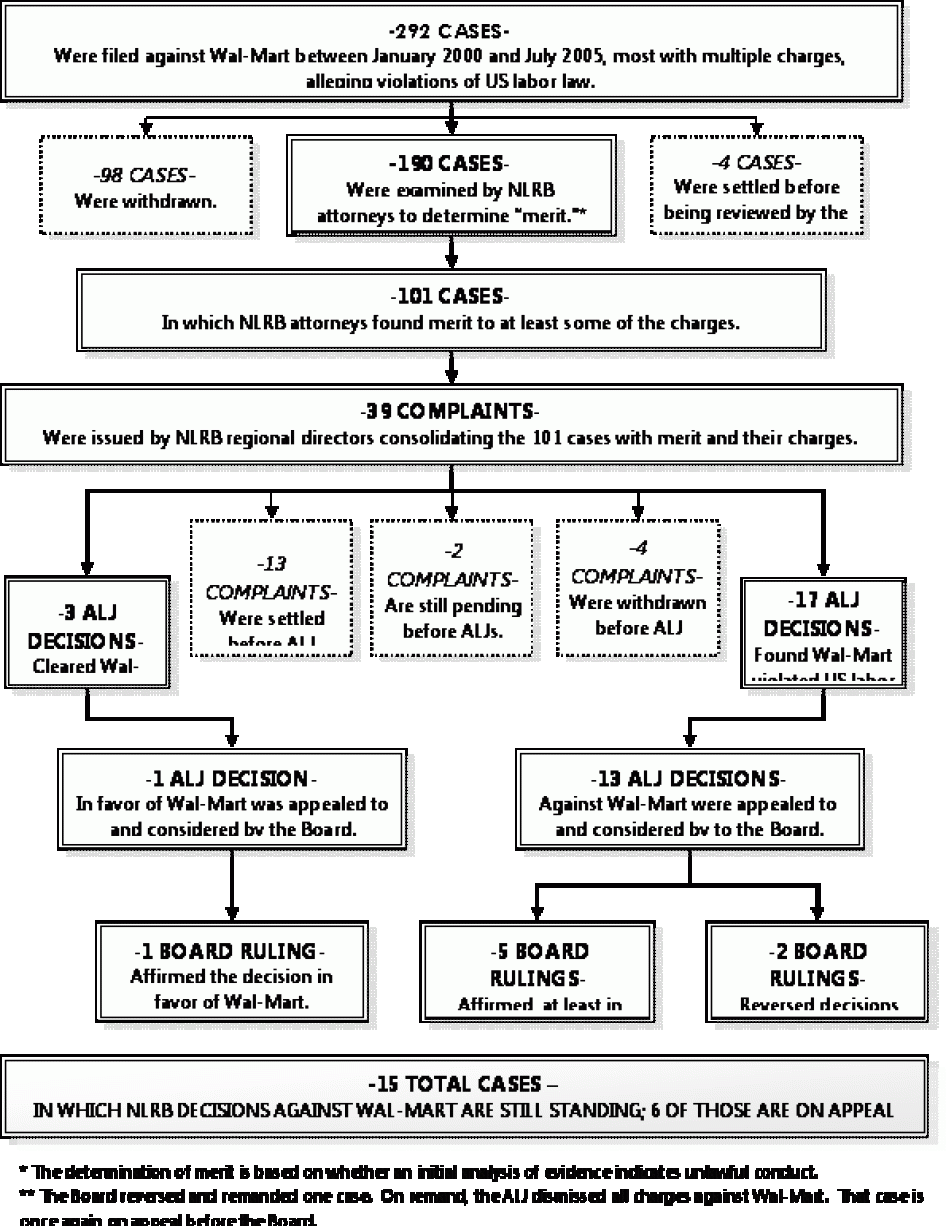
Another form of evidence involves demonstrating a pattern or practice of racial discrimination within Walmart's operations. This approach focuses on systemic issues rather than isolated incidents and requires compiling data and testimonies to show that discriminatory behavior is widespread or routine.
Plaintiffs may analyze hiring, promotion, pay, and termination rates across racial demographics within specific stores or regions. Statistical disparities, especially when persistent and unexplained by legitimate business factors, can serve as strong indicators of institutional bias. Additionally, multiple employee accounts describing similar experiences based on race can reinforce claims of a discriminatory workplace culture.
- Statistical analyses comparing promotion and pay rates between white employees and employees of color in the same roles or departments.
- Testimonies from several employees of the same racial background who report being denied training, advancement, or fair disciplinary treatment.
- Documentation showing consistent reassignment or termination of minority employees under suspicious or similarly unjustified circumstances.
Hostile Work Environment Based on Race
A plaintiff may also establish a case by proving that Walmart allowed or fostered a racially hostile work environment. This involves showing that racial harassment was so severe or pervasive that it altered the conditions of employment.
The conduct must be racial in nature and could include offensive jokes, slurs, intimidation, or offensive imagery tolerated by management. Critically, evidence must demonstrate that Walmart knew or should have known about the behavior and failed to take prompt and effective corrective action. This element often relies on employee complaints, incident reports, and patterns of management inaction.
- Records of repeated complaints filed by the employee or others about racial jokes or harassment that were ignored or inadequately addressed by store management.
- Photographs, messages, or social media posts from coworkers featuring racially offensive content that were permitted in the workplace.
- Testimonies from witnesses who observed or experienced a pattern of racially insensitive behavior that supervisors condoned or dismissed.
Frequently Asked Questions
Can I sue Walmart for racial discrimination?
Yes, you can sue Walmart for racial discrimination if you have evidence that you were treated unfairly due to your race. Federal laws like Title VII of the Civil Rights Act protect employees from discrimination. You must file a complaint with the Equal Employment Opportunity Commission (EEOC) before filing a lawsuit. Gather documentation, witness statements, and records to support your claim.
What qualifies as racial discrimination at Walmart?
Racial discrimination at Walmart includes unfair treatment in hiring, promotions, pay, job assignments, or termination based on race. Offensive remarks, racial slurs, or hostile work environments related to race also qualify. These actions violate federal anti-discrimination laws. If you experience such treatment, document incidents and report them internally before considering legal action.
How do I file a racial discrimination claim against Walmart?
To file a claim, first report the issue to Walmart’s human resources. Then, contact the Equal Employment Opportunity Commission (EEOC) to file a formal charge within 180 days of the incident. The EEOC will investigate and may attempt to settle. If not resolved, they issue a right-to-sue letter, allowing you to pursue a lawsuit.
What compensation can I receive from a racial discrimination lawsuit against Walmart?
If successful, you may receive compensation for lost wages, emotional distress, attorney fees, and punitive damages. The amount depends on the case’s severity and impact on your life. Courts may also order Walmart to reinstate your job or change workplace policies. Compensation varies, so consult an employment lawyer to evaluate your potential claim.
Leave a Reply