
Osha standards air quality
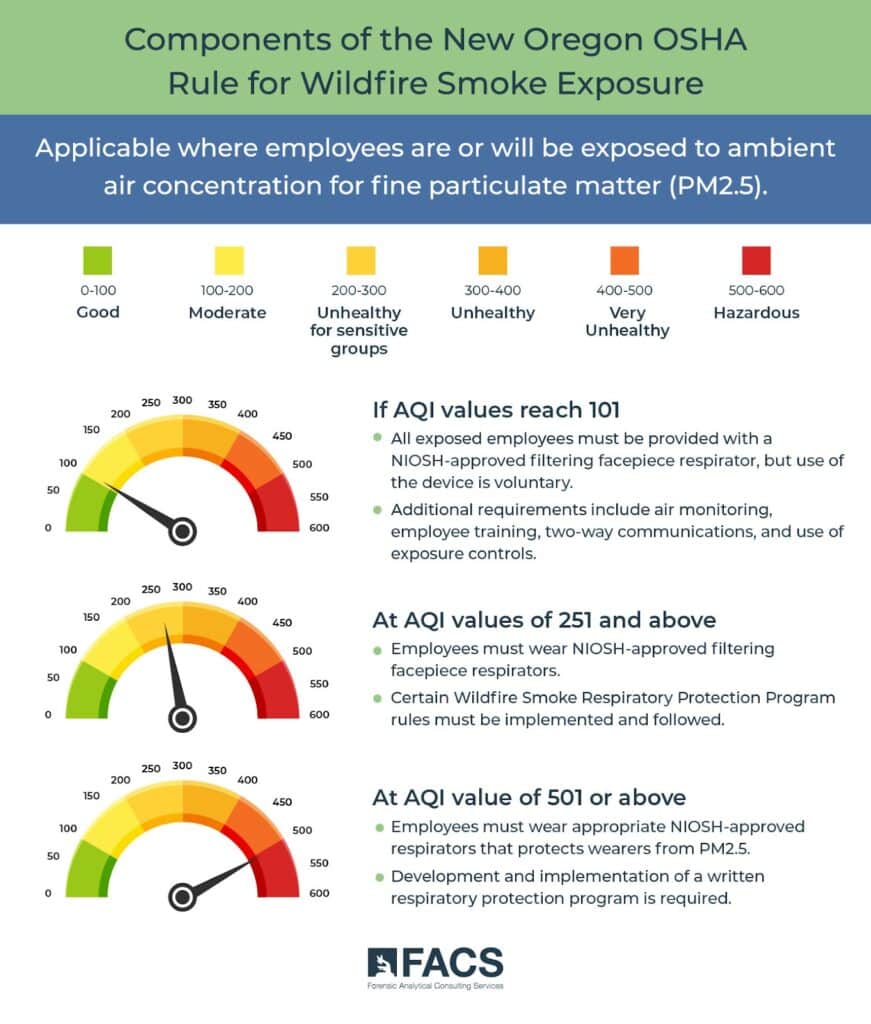
Maintaining safe air quality in the workplace is a critical component of occupational health and safety, governed by strict regulations set by the Occupational Safety and Health Administration (OSHA).
OSHA standards for air quality are designed to protect workers from harmful airborne contaminants such as dust, fumes, gases, and vapors. These standards establish permissible exposure limits (PELs) and require employers to implement engineering controls, proper ventilation, and personal protective equipment when necessary.
Regular air monitoring and employee training are essential to ensure compliance. Failure to adhere to these guidelines can result in serious health risks and legal consequences. Understanding and applying OSHA air quality standards is vital for creating a safe, healthy, and productive work environment across industries.
 Racial discrimination lawyers san francisco
Understanding OSHA Standards for Air Quality in the Workplace
The Occupational Safety and Health Administration (OSHA) establishes and enforces standards to ensure that employees are protected from hazardous air contaminants in the workplace.
These standards cover a wide range of airborne substances, including chemical vapors, gases, fumes, dusts, and mists, which, if uncontrolled, can lead to respiratory issues, chronic illness, or even acute poisoning.
OSHA defines permissible exposure limits (PELs) for over 500 substances, specifying the maximum concentration of a contaminant that workers can be exposed to over a given time period, typically an 8-hour workday.
Employers are required to monitor air quality, implement engineering and administrative controls, provide personal protective equipment (PPE), and train employees on air quality hazards. Failure to comply with OSHA air quality regulations can result in citations, fines, and increased risk of worker injury or illness.
 Workplace racial discrimination attorney
Key Components of OSHA Air Quality Regulations
OSHA's air quality standards are primarily found in 29 CFR 1910.1000 (General Industry) and related sections covering specific substances such as asbestos, lead, and benzene.
A core component of these regulations is the establishment of Permissible Exposure Limits (PELs), which are legally enforceable limits on the amount or concentration of a hazardous substance in the air. In addition to PELs, OSHA mandates exposure assessment through air monitoring to determine if hazardous levels are present.
Employers must also implement a Hierarchy of Controls, prioritizing elimination, substitution, engineering controls (like ventilation), administrative controls (such as work shifts), and finally Personal Protective Equipment (PPE) as a last line of defense. These components work together to minimize employee exposure and maintain a safe work environment.
Common Air Contaminants Regulated by OSHA
OSHA regulates numerous airborne contaminants that pose health risks in industrial, construction, and manufacturing settings.
 Racial discrimination lawyer new york
Examples include carbon monoxide, formaldehyde, cadmium, welding fumes, and respirable crystalline silica. Each regulated substance has documented health effects; for instance, prolonged exposure to silica can cause silicosis, a serious lung disease.
OSHA has set specific PELs for each contaminant and often provides substance-specific standards that include additional requirements, such as medical surveillance, hazard communication, and exposure control plans.
For example, the Respirable Crystalline Silica Standard (29 CFR 1926.1153) requires engineering controls like water-integrated saws and ventilation, along with respiratory protection when necessary. Employers must remain aware of the materials used in their operations and determine which OSHA standards apply to protect workers effectively.
Monitoring and Compliance Strategies for Employers
To comply with OSHA air quality standards, employers must proactively monitor workplace air and assess potential risks. This often involves conducting initial and periodic air sampling using calibrated instruments to measure contaminant concentrations in employee breathing zones.
 Typical compensation in racial discrimination cases
If exposure levels exceed or are expected to exceed the PEL, employers must take corrective actions, such as improving ventilation or modifying work processes.
Written programs such as the Hazard Communication Standard (HCS) and Respiratory Protection Program (29 CFR 1910.134) are required when certain airborne hazards are present.
Employee training, proper labeling of hazardous materials, and maintaining exposure records are critical components of compliance. Regular audits and safety inspections help ensure that control measures remain effective and that the workplace stays within OSHA's health and safety guidelines.
| Air Contaminant | OSHA PEL (8-hour TWA) | Health Effects | Key Control Measures |
|---|---|---|---|
| Respirable Crystalline Silica | 50 µg/m³ | Silicosis, lung cancer, COPD | Wet cutting, ventilation, respirators |
| Carbon Monoxide | 50 ppm | Headache, dizziness, death | Engine maintenance, ventilation |
| Formaldehyde | 0.75 ppm | Respiratory irritation, cancer | Enclosures, fume hoods, monitoring |
| Lead | 50 µg/m³ | Neurological damage, anemia | Enclosed processes, PPE, hygiene areas |
| Welding Fumes (general) | Varies by metal | Metal fume fever, lung damage | Local exhaust, respiratory protection |
Frequently Asked Questions
What are OSHA's permissible exposure limits (PELs) for air contaminants?
OSHA sets permissible exposure limits (PELs) to define the maximum amount of a hazardous substance workers can be exposed to over an 8-hour workday.
These limits apply to various air contaminants, including chemicals, dusts, and fumes. PELs are legally enforceable and aim to protect worker health by reducing the risk of respiratory and other illnesses caused by prolonged exposure to harmful airborne substances in the workplace.
How does OSHA monitor indoor air quality in workplaces?
OSHA monitors indoor air quality through inspections, air sampling, and reviewing employer compliance with established standards. Trained officers may measure contaminant levels and evaluate ventilation systems.
Employers are required to conduct their own air quality assessments when hazardous substances are present. OSHA also relies on reporting from employees and uses data from monitoring equipment to ensure workplaces maintain safe air quality according to regulatory requirements.
Which industries are most affected by OSHA air quality standards?
Industries such as construction, manufacturing, mining, chemical production, and healthcare are most affected by OSHA air quality standards. These workplaces often involve exposure to dust, fumes, gases, or biological contaminants.
OSHA regulations require these sectors to implement controls like ventilation, respirators, and air monitoring to protect workers. Compliance helps prevent occupational illnesses related to poor air quality, ensuring safer environments across high-risk industries.
What actions must employers take to comply with OSHA air quality regulations?
Employers must identify airborne hazards, monitor air quality, and implement control measures such as ventilation and personal protective equipment. They are required to follow OSHA’s permissible exposure limits and provide employee training on air quality risks.
ecords of exposure measurements and medical evaluations must be maintained. Employers must also develop exposure control plans and update them as needed to remain compliant with current OSHA air quality standards and ensure worker safety.
Leave a Reply