
Osha safety sign standards
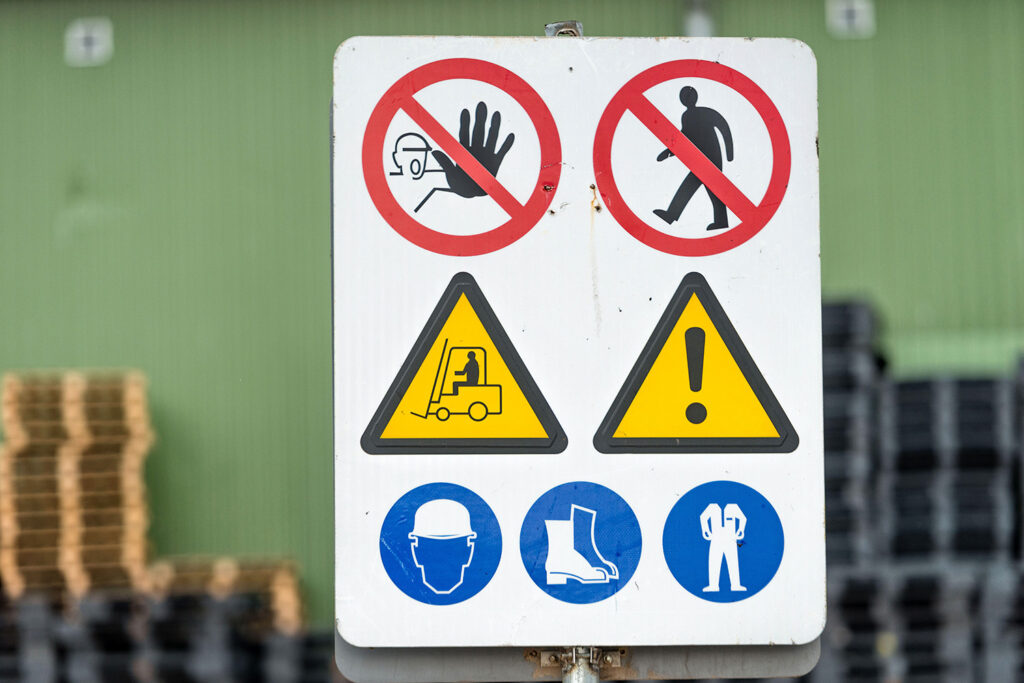
OSHA safety sign standards play a critical role in maintaining safe and healthy work environments across the United States. Established by the Occupational Safety and Health Administration, these standards ensure that visual safety communications are consistent, clear, and easily understood.
From hazard warnings to mandatory instructions and emergency exits, safety signs help prevent accidents and injuries by promptly conveying essential information.
OSHA guidelines define specific colors, symbols, and signal words—such as “Danger,” “Warning,” and “Caution”—to indicate varying levels of risk. Compliance with these standards not only supports regulatory adherence but also fosters a strong culture of safety in workplaces of all industries.
 Osha ansi safety sign standards
Understanding OSHA Safety Sign Standards: A Guide to Workplace Hazard Communication
The Occupational Safety and Health Administration (OSHA) establishes clear guidelines for the use of safety signs in the workplace to ensure effective communication of potential hazards and promote a safe working environment.
These standards fall primarily under 29 CFR 1910.145, which outlines the design, application, and use of safety signs and tags where danger, warning, caution, or safety instructions must be conveyed.
OSHA standards are aligned with the American National Standards Institute (ANSI) Z535 series, enhancing consistency in sign appearance and message clarity across industries. Proper implementation of these standards helps prevent accidents, supports regulatory compliance, and reinforces a strong safety culture by enabling workers to quickly recognize and respond to potential risks.
Employers are required to use signs when engineering or administrative controls are not sufficient to eliminate hazards, making adherence to OSHA’s sign protocols a critical component of workplace safety programs.
 Attorneys for racial discrimination
Types of OSHA-Compliant Safety Signs
OSHA categorizes safety signs based on the level of hazard severity, with each type having specific color codes, signal words, and design requirements. Danger signs indicate immediate hazards that will result in serious injury or death if not avoided, and they must have a red panel with white text and a black border.
Warning signs are used for potentially hazardous situations that could result in death or serious injury, typically displayed with an orange background and black text. Caution signs alert workers to potential hazards or unsafe practices and must have a yellow background with black text.
In addition, Notice signs are used for non-hazardous information like safety instructions or personal protective equipment (PPE) requirements, while Safety instruction signs convey general safety rules and often feature a white background with a green panel. Distinguishing between these sign types ensures appropriate responses based on the level of threat.
Design and Placement Requirements for Safety Signs
For a safety sign to be effective, it must be clearly visible, legible, and placed in a location where workers can easily see it before encountering the hazard. OSHA requires that safety signs be made from durable materials resistant to damage and environmental conditions such as moisture, heat, or chemicals.
 Australia racial discrimination
Text must be concise, easy to understand, and use standardized wording to avoid confusion. The size of letters, use of symbols, and contrast between text and background are critical to ensure readability from a safe distance.
Signs must be placed near the hazard they refer to and at eye level whenever possible. Additionally, in multilingual workplaces, using pictograms or translated text can improve comprehension. Proper installation and regular inspection ensure that signs remain effective and compliant over time.
OSHA Signage vs. ANSI Z535 Standards
While OSHA’s 1910.145 regulation provides the legal framework for safety signs in the U.S., the ANSI Z535 standards offer more detailed guidance on sign design, formatting, and consistency that complements OSHA’s requirements.
OSHA allows compliance with either its own specifications or the ANSI Z535 standards, provided the key safety messages are clearly communicated. ANSI introduces enhancements such as the standardized signal word panel, use of safety alert symbols (like the exclamation point), and more sophisticated color coding systems.
 Australian racial discrimination act 1975
It also emphasizes the use of pictorials to increase understanding across language barriers. Many organizations adopt ANSI Z535 not only to meet OSHA rules but also to benefit from improved clarity and universal recognition of safety messages in complex or multinational work environments.
| Sign Type | Signal Word | Background Color | Text/Border Color | Usage |
|---|---|---|---|---|
| Danger | DANGER | Red | White text, Black border | Immediate hazard with risk of death or serious injury |
| Warning | WARNING | Orange | Black text | Hazardous situation that could cause death or serious injury |
| Caution | CAUTION | Yellow | Black text | Potential hazard or unsafe practice |
| Notice | NOTICE | Blue | White or Black text | Non-hazard information (e.g., security, housekeeping) |
| Safety Instruction | SAFETY | White | Green panel with white text | Safety procedures, PPE requirements, first aid |
Frequently Asked Questions
What Are OSHA Safety Sign Standards?
OSHA safety sign standards are regulations that specify the design, color, and use of safety signs in workplaces to alert employees of potential hazards. These standards ensure signs are easily recognizable and understood, using specific colors and symbols. For example, red indicates danger, while yellow signifies caution. OSHA requires these signs to be visible and legible to effectively communicate risks and reduce accidents in the workplace.
Why Are Colors Important in OSHA Safety Signs?
Colors in OSHA safety signs play a critical role in quickly conveying the level and type of hazard. Red is used for danger signs, yellow for caution, orange for warning of potential hazards, and green for safety instructions or first aid. These standardized colors help workers instantly recognize the urgency and nature of a hazard, even from a distance or in stressful situations, improving response times and overall workplace safety.
When Should OSHA Safety Signs Be Used?
OSHA safety signs must be used wherever there is a potential hazard that isn’t immediately obvious and requires visual warning. This includes areas with dangerous machinery, electrical risks, or hazardous materials. Signs should be placed near the hazard and in clear view. They are required when engineering or administrative controls cannot fully eliminate a risk, ensuring employees are informed and can take appropriate precautions.
 Average racial discrimination settlement amount
Do OSHA Safety Signs Need Specific Wording?
Yes, OSHA requires safety signs to include clear, concise messaging to communicate the hazard and necessary precautions. While exact wording can vary, signs often begin with signal words like “Danger,” “Warning,” or “Caution,” followed by a brief description of the hazard. The language must be understandable to all employees, and in some cases, multilingual signs may be necessary to ensure full comprehension across diverse workforces.
Leave a Reply