
Is ga an at will employment state
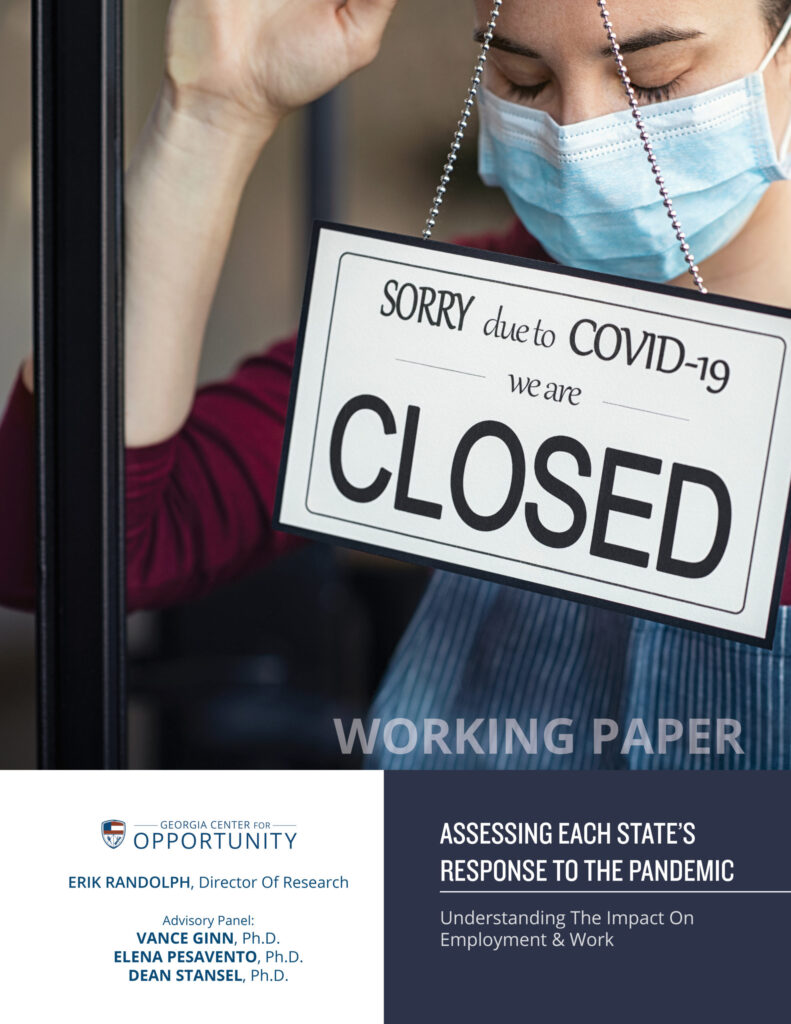
Georgia is an at-will employment state, meaning employers and employees can terminate the employment relationship at any time, with or without cause, and with or without notice.
This legal principle provides flexibility but also raises important considerations for workers and employers alike. While at-will employment allows companies to make swift personnel decisions, it also means employees can be laid off or fired for any reason that is not illegal.
Understanding the exceptions—such as protections against discrimination, retaliation, or violations of employment contracts—is crucial. This framework shapes workplace dynamics across Georgia, influencing hiring practices, employee rights, and legal obligations.
 Immigration construction workers
Is Georgia an At-Will Employment State?
Yes, Georgia is an at-will employment state, meaning that in most cases, an employer may terminate an employee at any time, with or without cause, and with or without notice. Similarly, employees are also free to leave their jobs at any time for any reason or no reason at all.
This legal doctrine provides flexibility for both employers and employees but also means that job security is not guaranteed unless there is a specific employment contract, collective bargaining agreement, or legal protection that limits the employer’s ability to terminate employment.
While at-will employment is the default rule in Georgia, there are important exceptions related to discrimination, retaliation for protected activities, and violations of public policy.
What Does At-Will Employment Mean in Georgia?
At-will employment in Georgia means that the employment relationship is presumed to be terminable at any moment by either the employer or the employee, without the need for justification.
 Immigration farm workers
This principle is codified in Georgia Code Section 34-7-1, which explicitly states that in the absence of a contract specifying a definite term of employment, the employment is considered at will. Therefore, an employer does not need to provide a reason or warning before firing an employee.
However, this freedom is not absolute—terminations that violate federal or state laws, such as those based on race, gender, religion, disability, or other protected characteristics, are illegal, even within an at-will framework. Employees cannot be dismissed for refusing to commit an illegal act or for exercising statutory rights, such as filing a workers’ compensation claim.
Exceptions to At-Will Employment in Georgia
While most employment in Georgia is at-will, several exceptions limit an employer’s ability to fire workers arbitrarily. The most significant exceptions fall into three main categories: statutory protections, contractual agreements, and public policy violations.
For instance, employers cannot terminate employees based on discrimination under Title VII of the Civil Rights Act, the Americans with Disabilities Act (ADA), or the Age Discrimination in Employment Act (ADEA).
 Agricultural workers immigration
Additionally, if an employee has a written contract or is covered by a collective bargaining agreement specifying job security or requiring “for-cause” termination, the at-will doctrine no longer fully applies.
Georgia courts also recognize a public policy exception, meaning employees cannot be fired for actions like filing a safety complaint, serving on a jury, or whistleblowing on illegal company practices.
How Employees Can Protect Themselves in an At-Will State
Since job security is inherently limited in an at-will state like Georgia, employees should take proactive steps to protect their rights. This includes retaining copies of employment contracts, company handbooks, performance reviews, and any communications related to job performance or potential disputes.
Understanding whether any company policies create a de facto contract or imply for-cause discipline is crucial. Employees should also be aware of their rights under federal and state anti-discrimination laws and know how to report unlawful termination.
 Farm workers immigration
Seeking legal counsel when facing a questionable termination—especially after engaging in protected activities such as reporting harassment or wage violations—can help determine if an exception to at-will employment applies and whether legal action is appropriate.
| Aspect | Details in Georgia |
|---|---|
| At-Will Doctrine | Yes, Georgia follows the employment at will doctrine unless an exception applies. |
| Legal Basis | Georgia Code Section 34-7-1 establishes at-will employment as the default. |
| Contract Exception | Employment is not at will if there is a written, verbal, or implied contract guaranteeing job security. |
| Discrimination Protections | Firing based on race, color, religion, sex, national origin, age (40+), or disability is illegal under federal laws. |
| Public Policy Exception | Termination is not allowed for reasons that violate public policy, such as reporting illegal activities. |
| Retaliation Protection | Employees are protected from firing for filing a complaint, requesting accommodations, or taking FMLA leave. |
Frequently Asked Questions
Is Georgia an at-will employment state?
Yes, Georgia is an at-will employment state. This means that employers can terminate employees at any time, for any legal reason, with or without cause or notice.
Similarly, employees are free to leave their jobs at any time. However, firing someone for illegal reasons—such as discrimination or retaliation—is still prohibited under federal and state laws, even in at-will states.
Can an employee sue for wrongful termination in Georgia?
Yes, employees in Georgia can sue for wrongful termination if they are fired for illegal reasons. While Georgia is an at-will state, exceptions exist.
 Percentage of farm workers who are immigrants
Employees cannot be terminated due to discrimination, retaliation for reporting illegal activity, or violation of employment contracts or public policy. Proving wrongful termination requires evidence that the firing violated these protections, even within an at-will employment framework.
Are there exceptions to at-will employment in Georgia?
Yes, Georgia recognizes limited exceptions to at-will employment. These include cases involving breach of employment contracts, violations of public policy (like firing a whistleblower), and unlawful discrimination based on race, gender, religion, or other protected classes under federal or state law.
While most employment remains at-will, these exceptions protect workers from unjust or illegal termination despite the general rule.
Do verbal agreements override at-will employment in Georgia?
In some cases, verbal agreements can override at-will employment in Georgia. If a supervisor or manager makes a clear, specific promise about job security or termination only for cause, it may create an implied contract. However, these cases are difficult to prove and require substantial evidence. Generally, without a written contract, employment is presumed to be at-will, but credible verbal commitments may be legally binding.
Leave a Reply