
Agricultural workers immigration
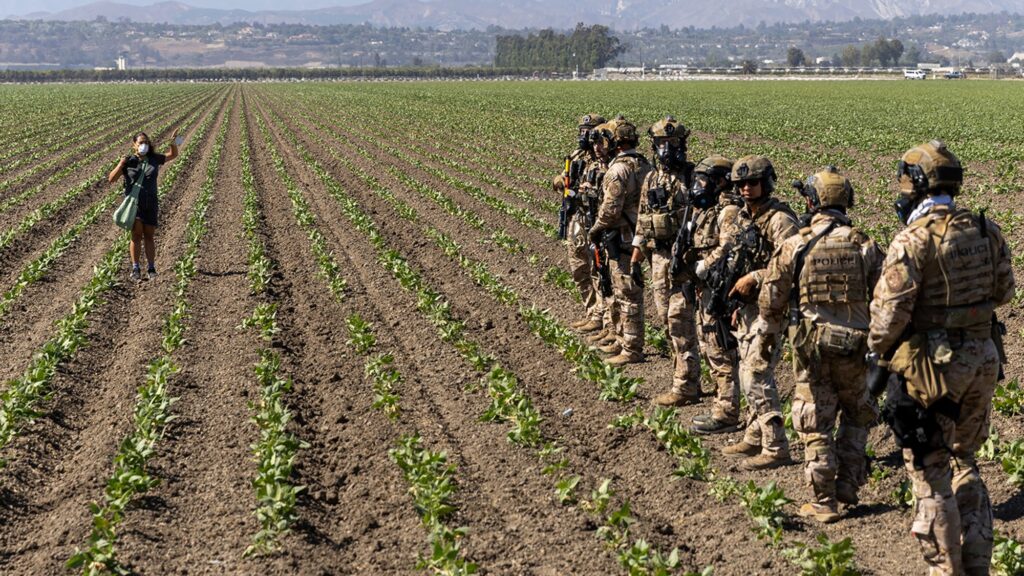
Agricultural workers play a vital role in sustaining the global food supply, yet the industry increasingly relies on immigrant labor to meet its demands.
In many countries, especially the United States, a significant portion of the farm workforce consists of immigrants, often from Mexico and Central America. These workers face challenging conditions, including long hours, low wages, and limited access to healthcare and legal protections.
Immigration policies significantly impact the availability and treatment of agricultural laborers. As debates over immigration reform continue, finding balanced solutions that protect workers' rights while supporting farm productivity remains a critical challenge for policymakers, farmers, and advocacy groups alike.
 Florida immigrant workers
Challenges and Policies Surrounding Agricultural Workers Immigration in the United States
The immigration of agricultural workers plays a crucial role in sustaining the U.S. food production system, yet it remains one of the most complex and contentious areas of immigration policy. A significant portion of the agricultural workforce in the United States consists of foreign-born laborers, many of whom enter through temporary visa programs such as the H-2A visa.
Despite their essential contributions, these workers often face substandard wages, poor housing conditions, limited legal protections, and barriers to unionization. Additionally, the seasonal and physically demanding nature of farm labor exacerbates vulnerabilities, particularly for undocumented workers who may fear deportation if they report abuses.
Policy debates continue over how to balance labor needs with humane treatment, with some advocating for pathways to permanent residency or citizenship for long-term agricultural workers. Reform proposals, such as modernizing the H-2A program or creating a blue card system similar to the EU’s model, aim to address labor shortages while improving worker rights and operational efficiency for farmers.
Overview of the H-2A Visa Program for Farm Workers
The H-2A visa program allows U.S. agricultural employers to hire foreign nationals for temporary or seasonal agricultural jobs when there is a shortage of domestic labor.
 Florida immigration workers
To use the program, farmers must demonstrate that they have attempted to recruit U.S. workers first and must provide housing, transportation, and wages set by the Department of Labor, which are often higher than the prevailing local rates. While the H-2A program has grown significantly—issuing over 400,000 visas annually in recent years—it is criticized for being bureaucratic, costly, and inflexible.
Workers on H-2A visas are tied to a specific employer, making them vulnerable to exploitation since changing jobs can jeopardize their legal status. Advocates argue that reforming the program to allow greater mobility and access to permanent residency would improve both worker protections and agricultural stability.
Impact of Undocumented Labor on U.S. Agriculture
Undocumented immigrants make up a substantial portion of the U.S. agricultural workforce, particularly in labor-intensive sectors like fruit, vegetable, and dairy farming. Estimates suggest that between 50% and 70% of farmworkers in the U.S. are undocumented, highlighting the industry’s dependence on this population.
These workers often accept lower wages and work in more hazardous conditions due to fear of detection and deportation, which can suppress overall labor standards. The lack of legal status also limits their access to healthcare, education, and social services.
 Nebraska immigrant workers
For farmers, reliance on undocumented labor poses risks, including potential labor shortages due to stricter immigration enforcement and reputational or legal liabilities. Comprehensive immigration reform that includes a legalization pathway for existing workers is frequently proposed as a way to stabilize the workforce and ensure humane conditions.
Proposed Immigration Reforms for Agricultural Workers
Various legislative efforts have aimed to address the unique needs of agricultural workers through tailored immigration reforms.
One recurring proposal is the creation of a blue card or agricultural worker visa that would offer long-term legal status to those who have worked in U.S. agriculture for a certain number of years, potentially leading to permanent residency.
Bills such as the Agricultural Worker Program Act seek to replace outdated frameworks with more flexible systems that recognize the seasonal nature of farm work and protect worker rights.
 Canada immigration news update skilled workers
These reforms typically include provisions for earned legalization, improved wage standards, and employer accountability. Supporters argue that such measures would bring millions of workers out of the shadows, strengthen food security, and uphold labor dignity, while opponents raise concerns about incentives for future unauthorized migration and strain on public resources.
| Aspect | Current Status | Reform Proposal |
|---|---|---|
| Legal Status of Workers | High proportion of undocumented or H-2A temporary visa holders | Pathway to legal residency or citizenship based on years of service |
| Employer Protections | Limited oversight; worker tied to single employer under H-2A | Allow job mobility while maintaining legal status |
| Wage and Housing Standards | Adverse Effect Wage Rate (AEWR) enforced but varies by state | Stabilized, inflation-adjusted minimum wages and improved housing requirements |
| Program Accessibility | Bureaucratic delays and high costs for small farms | Streamlined application and fee reductions for family-operated farms |
| Worker Rights Enforcement | Underreported abuses due to fear of retaliation | Strengthened labor inspections and independent advocacy access |
Frequently Asked Questions
What is the H-2A visa program for agricultural workers?
The H-2A visa program allows U.S. farmers to temporarily employ foreign workers for agricultural jobs when there is a shortage of domestic labor. Employers must prove the need, offer wages meeting the adverse effect wage rate, and provide housing and transportation. The visa is valid for up to one year and can be extended. It ensures agricultural operations continue smoothly during peak seasons while protecting workers' rights.
How do agricultural workers qualify for U.S. immigration?
Agricultural workers may qualify for U.S. immigration through temporary programs like H-2A or limited permanent pathways such as special immigrant juvenile status or family sponsorship. Some may benefit from legislation like the proposed Farm Workforce Modernization Act, which offers a path to legal status for long-term farmworkers. Meeting employment duration, good moral character, and other criteria is required. Each case depends on individual circumstances and current immigration laws.
What protections do immigrant agricultural workers have?
Immigrant agricultural workers are protected by federal and state labor laws, including minimum wage, overtime pay, safe working conditions, and housing standards under the H-2A program. They cannot face retaliation for complaining about violations. The Migrant and Seasonal Agricultural Worker Protection Act (MSPA) ensures fair treatment, proper contracts, and access to legal remedies. These safeguards aim to prevent exploitation and uphold dignity in agricultural employment regardless of immigration status.
 Canada immigration list of skilled workers
Can undocumented farmworkers apply for legal status?
Undocumented farmworkers may qualify for legal status through proposed legislation like the Farm Workforce Modernization Act, which offers a path to temporary and potentially permanent residency for those with sufficient agricultural work history. They might also be eligible through asylum, U visas for crime victims, or family-based petitions. While no current automatic legalization exists, staying informed on policy changes and consulting an immigration attorney helps explore available options under U.S. immigration law.
Leave a Reply