
Percentage of farm workers who are immigrants

Immigrant labor plays a critical role in the agricultural industry across many countries, particularly in the United States. A significant percentage of farm workers are immigrants, often forming the backbone of food production systems. Many of these workers come from Latin America and other regions, filling essential roles in planting, harvesting, and processing crops.
Despite the physically demanding nature of the work and frequently challenging conditions, immigrant farm workers continue to provide vital services. Understanding the percentage of immigrants in this workforce helps illuminate broader economic, social, and policy issues related to labor, immigration, and food security in modern agricultural systems.
Immigrant Representation in U.S. Agriculture: A Closer Look at Farm Labor Demographics
The agricultural sector in the United States relies heavily on immigrant labor, with foreign-born workers accounting for a substantial portion of the farm workforce. According to data from the U.S.
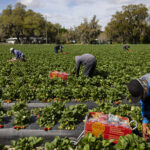 Florida immigrant workers
Department of Agriculture (USDA) and the Bureau of Labor Statistics (BLS), approximately 73% of agricultural workers are immigrants, the vast majority of whom were born in Mexico. This figure has remained relatively consistent over the past two decades, despite changes in immigration policy and enforcement.
Many of these workers are employed in labor-intensive sectors such as fruit, vegetable, and dairy production, where mechanization is limited and manual labor remains essential. A significant number of immigrant farmworkers are either undocumented or participate in the H-2A temporary agricultural visa program, which allows U.S. employers to hire foreign workers for seasonal jobs.
The dependence on immigrant labor underscores both the critical contribution of these individuals to the nation's food supply and the vulnerabilities they face, including lower wages, limited access to healthcare, and challenging working conditions.
Historical Trends in Immigrant Farm Labor Participation
Over the last century, immigrant labor has played a foundational role in U.S. agriculture, but the scale and demographics have shifted significantly. In the early 1900s, European immigrants dominated farm labor, but by the late 20th century, the workforce transitioned predominantly to Latin American, especially Mexican, workers.
 Florida immigration workers
The Bracero Program (1942–1964) marked a pivotal moment, legally bringing millions of Mexican laborers to work on American farms during labor shortages. After the program ended, many former braceros continued to work in agriculture, often without legal status, laying the groundwork for today’s labor structure.
By the 1990s and early 2000s, federal surveys such as the National Agricultural Workers Survey (NAWS) began quantifying the extent of immigrant involvement, consistently showing that over 70% of farmworkers were foreign-born. These historical shifts reflect broader economic, policy, and demographic forces that continue to shape the agricultural labor force.
Regional and Crop-Specific Variations in Immigrant Farm Employment
While the national average indicates that about 73% of farmworkers are immigrants, this percentage varies significantly by region and the type of crop produced. In states like California, which accounts for nearly half of U.S. agricultural output, the immigrant share of the farm labor force exceeds 90% in certain specialty crop sectors such as strawberries, lettuce, and almonds.
Similarly, in eastern states like Florida, immigrant labor dominates the citrus and vegetable industries. In contrast, regions specializing in large-scale, mechanized crops like corn, soybeans, or wheat in the Midwest have a lower reliance on immigrant labor, as automation reduces the need for manual harvesting.
 Nebraska immigrant workers
Nevertheless, even these regions depend on immigrant workers for tasks such as equipment operation and livestock management. These regional differences highlight how crop intensity, labor needs, and proximity to international borders influence the concentration of immigrant farm labor.
Legal Status and Labor Programs: Pathways and Challenges for Immigrant Farmworkers
The legal status of immigrant farmworkers varies widely, with many operating in a precarious legal environment. According to NAWS data, roughly 49% of all farmworkers are undocumented, while others hold temporary visas or have legal permanent resident status.
The H-2A visa program has grown rapidly over the past two decades as growers seek legal channels to hire workers amid tighter border controls and reduced unauthorized immigration. In 2022 alone, over 300,000 H-2A positions were certified by the U.S. Department of Labor. While this program provides legal employment, it ties workers to specific employers, limiting mobility and making them vulnerable to exploitation.
In contrast, undocumented workers often face additional risks, including wage theft and fear of deportation. Despite these challenges, both documented and undocumented immigrants remain the backbone of U.S. agriculture, demonstrating resilience and commitment under difficult circumstances.
| Category | Percentage of Farmworkers | Key Details |
|---|---|---|
| Immigrant Farmworkers (Total) | 73% | Majority born in Mexico; includes both documented and undocumented workers. |
| Undocumented Immigrant Workers | 49% | Face legal vulnerability and limited labor protections. |
| H-2A Visa Holders | 10–15% (growing trend) | Employed through a temporary guest worker program with employer restrictions. |
| U.S.-Born Farmworkers | 27% | Declining proportion; often in supervisory or mechanized farming roles. |
| Latino or Hispanic Farmworkers | 83% | Includes both immigrant and U.S.-born individuals; dominant demographic group. |
Frequently Asked Questions
What percentage of farm workers in the United States are immigrants?
Approximately 73% of farm workers in the United States are immigrants, mostly from Mexico. This percentage has remained relatively stable over recent decades. Immigrants play a crucial role in U.S. agriculture, often filling labor-intensive roles that are essential for food production. Many work seasonally or on temporary visas, reflecting the high demand for their labor in farming operations across the country.
Why are so many farm workers in the U.S. immigrants?
Many farm workers in the U.S. are immigrants due to labor demands in agriculture that exceed domestic workforce availability. Immigrants often accept seasonal, physically demanding jobs with lower wages that many U.S.-born workers avoid. Additionally, longstanding migration patterns, proximity to Mexico, and guest worker programs like H-2A contribute to the high immigrant presence in farming.
Has the percentage of immigrant farm workers changed over time?
Yes, the percentage of immigrant farm workers has increased significantly since the 1980s. In the 1980s, around 25–30% of farm workers were immigrants, but by the 2000s, that figure rose to over 70%.
This shift is attributed to changes in immigration patterns, stricter domestic labor regulations, and increased demand for low-wage agricultural labor, leading farmers to rely more heavily on immigrant workers.
Do immigrant farm workers have legal status in the U.S.?
A significant portion of immigrant farm workers in the U.S. are unauthorized. Studies suggest about half are working without legal authorization, while others hold temporary work visas like the H-2A visa. Some have obtained legal permanent residency or citizenship over time. The lack of legal status for many creates challenges related to labor rights, job security, and access to social services.
Leave a Reply