
What percent of agricultural workers are immigrants
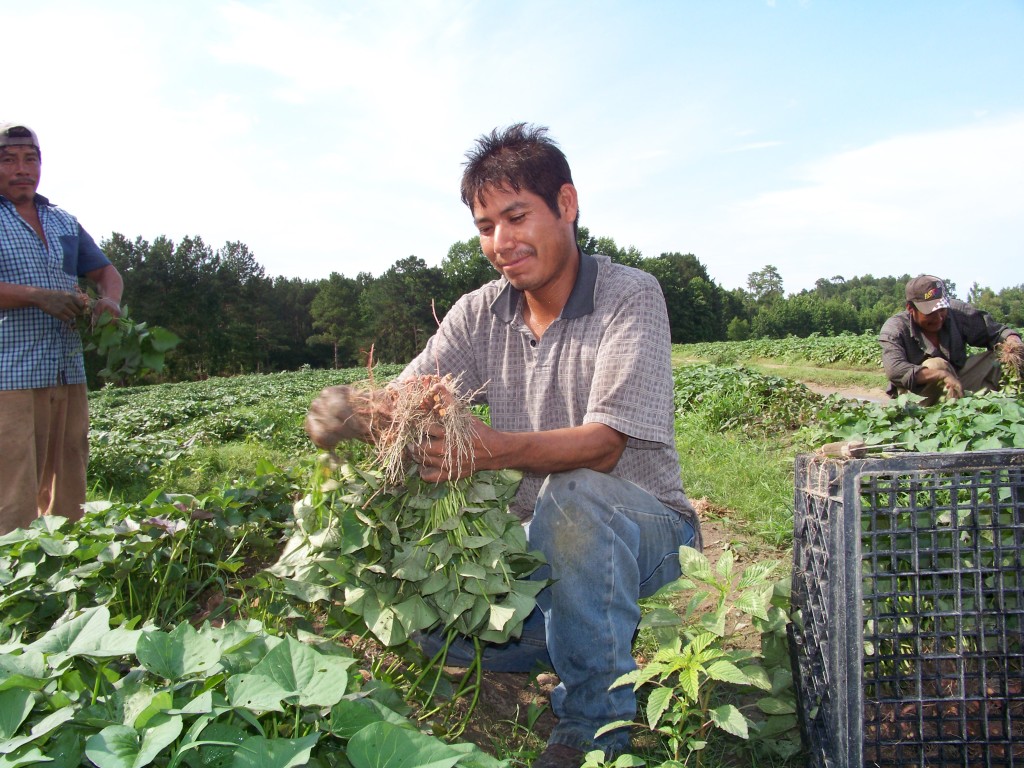
Agriculture remains a cornerstone of the U.S. economy, relying heavily on a workforce that is disproportionately composed of immigrants.
Despite advancements in automation and technology, many farms depend on manual labor for planting, harvesting, and processing crops. A significant portion of these laborers are foreign-born, often originating from Latin American countries and working under temporary visa programs or without authorization.
Studies estimate that over 70% of farmworkers in the United States are immigrants, highlighting their critical role in sustaining the food supply chain. This reliance raises important questions about labor rights, immigration policy, and the future of agricultural labor in an evolving economic landscape.
 Florida immigrant workers
What Percent of Agricultural Workers Are Immigrants in the United States?
A significant portion of the U.S. agricultural workforce consists of immigrants, many of whom play a vital role in planting, harvesting, and processing crops. According to data from the U.S.
Department of Agriculture (USDA) and the Bureau of Labor Statistics (BLS), approximately 70% to 75% of farmworkers in the United States are foreign-born, primarily from Mexico and Central American countries. This high percentage underscores the deep dependence of the agricultural sector on immigrant labor, particularly for labor-intensive activities such as fruit and vegetable harvesting.
Many of these workers are employed seasonally or on a temporary visa basis under programs like the H-2A visa, which allows U.S. agricultural employers to hire foreign nationals when there is a shortage of domestic labor.
Despite their essential contributions, immigrant farmworkers often face challenges including low wages, limited access to healthcare, and uncertain legal status, especially for those working without authorization.
 Florida immigration workers
Historical Trends in Immigrant Agricultural Labor
The reliance on immigrant labor in U.S. agriculture has deep historical roots, dating back to the early 20th century with guest worker programs like the Bracero Program (1942–1964), which brought millions of Mexican laborers to work on American farms during labor shortages caused by World War II.
After the program ended, many former Braceros continued to work in agriculture, often informally, establishing migration patterns that persist today. Since the 1980s, demographic shifts have further increased the immigrant share of farm labor, with native-born workers increasingly moving toward less physically demanding sectors.
According to the National Agricultural Workers Survey (NAWS), the proportion of foreign-born farmworkers rose from about 30% in the early 1980s to over 70% by the 2000s. These long-term trends reflect structural changes in the labor market and reinforced the agricultural industry's dependence on immigrant labor.
Demographics and Origins of Immigrant Farmworkers
The vast majority of immigrant agricultural workers in the U.S. come from Mexico and Central American nations such as Guatemala, Honduras, and El Salvador. Data from the NAWS shows that over 80% of foreign-born farmworkers are Mexican nationals, with most speaking Spanish or indigenous languages such as Mixtec or Zapotec.
 Nebraska immigrant workers
In terms of age and education, immigrant farmworkers tend to be young adults, with a median age of around 36, and often have limited formal education, which can restrict job opportunities outside of agriculture.
Furthermore, geographic distribution varies by crop: workers in California’s Central Valley are heavily involved in fruit and nut production, while those in the Southeast often work in vegetable and tobacco farming. Understanding these demographic patterns helps policymakers and advocacy groups address the unique needs of this workforce.
H-2A Visa Program and Its Impact on Agricultural Labor
The H-2A visa program enables U.S. agricultural employers to hire foreign workers for temporary or seasonal work when there is a documented shortage of U.S. workers.
Since the early 2000s, the number of H-2A visas issued has increased dramatically, rising from around 48,000 in 2005 to over 300,000 in 2022, illustrating the growing demand for immigrant labor in agriculture. While the program offers legal protections such as guaranteed wages and housing, critics argue it ties workers to specific employers, creating potential vulnerabilities to exploitation.
 Canada immigration news update skilled workers
Nonetheless, the H-2A program has become an essential pipeline for legal agricultural labor, especially as enforcement policies limit undocumented migration. This expansion reflects both the industry’s need for reliable labor and the broader trend of immigration shaping the agricultural workforce.
| Statistic | Data | Source |
|---|---|---|
| Percentage of agricultural workers who are immigrants | 70% - 75% | USDA & National Agricultural Workers Survey (NAWS) |
| Primary country of origin | Mexico (over 80% of foreign-born farmworkers) | NAWS |
| H-2A visas issued in 2022 | Over 300,000 | U.S. Department of Labor |
| Median age of immigrant farmworkers | Around 36 years | NAWS |
| Historical low point of immigrant farmworkers (early 1980s) | Approximately 30% | Historical NAWS Data |
Frequently Asked Questions
What percentage of agricultural workers in the U.S. are immigrants?
Approximately 73% of agricultural workers in the United States are immigrants, according to data from the U.S. Department of Agriculture and the Bureau of Labor Statistics.
The majority of these workers come from Mexico and Central America. Immigrants play a crucial role in U.S. farming, especially in labor-intensive sectors like fruit, vegetable, and dairy production, where domestic workers are often in short supply.
Why are so many agricultural workers in the U.S. immigrants?
Many agricultural jobs in the U.S. are physically demanding, seasonal, and often located in rural areas with low pay, making them less attractive to native-born workers.
 Canada immigration list of skilled workers
Immigrants, particularly those from Mexico and Central America, have historically filled these labor gaps due to economic necessity and established migration patterns. Additionally, family and community networks often help new immigrants find work in agriculture, reinforcing this trend over time.
Do immigrant agricultural workers have legal status in the U.S.?
Not all immigrant agricultural workers in the U.S. have legal status. Estimates suggest that about half are undocumented, while others hold temporary work visas like the H-2A visa or have legal permanent residency. The H-2A program allows U.S.
farmers to hire foreign workers for seasonal jobs, but the application process is complex. Many undocumented workers continue to find employment due to ongoing labor demands and enforcement challenges.
How does immigrant labor impact U.S. agriculture?
Immigrant labor is essential to the U.S. agricultural industry, supporting the production of crops and livestock that feed the nation. Without immigrant workers, many farms would struggle to find enough labor, potentially leading to higher food prices or reduced crop yields. Immigrants contribute to the stability and productivity of the sector, making them a vital part of the American food system and rural economies.
Leave a Reply