
Can you hire undocumented workers in california
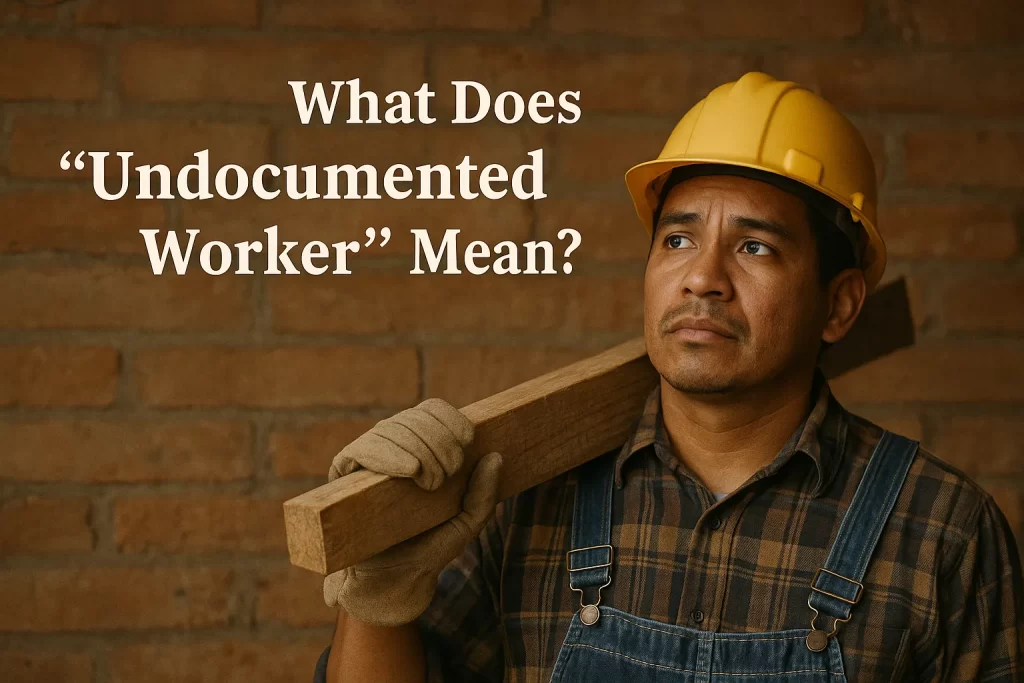
Hiring undocumented workers in California is a complex and sensitive issue governed by both state and federal laws.
While federal law prohibits the employment of individuals not authorized to work in the United States, California maintains policies that emphasize worker protections regardless of immigration status. Under California law, all workers, including undocumented individuals, are entitled to basic labor rights such as minimum wage, overtime pay, and safe working conditions.
Employers who knowingly hire undocumented workers may face federal penalties, but the state often prioritizes fair treatment and enforcement of labor standards over immigration enforcement. Understanding the legal landscape is essential for employers to navigate compliance responsibly.
 can employers hire undocumented workers
Can You Hire Undocumented Workers in California?
Under federal and California state law, it is illegal for employers to knowingly hire or continue to employ individuals who are not authorized to work in the United States. The Immigration Reform and Control Act (IRCA) of 1986 established this prohibition at the federal level, and California follows these guidelines while also implementing additional protections for immigrant workers.
Employers are required to verify the identity and work eligibility of all new hires using Form I-9, and knowingly hiring undocumented workers can result in severe penalties, including fines, criminal charges, and debarment from government contracts. However, California labor laws emphasize strong protections for all workers, regardless of immigration status, including the right to fair wages, safe working conditions, and protection from retaliation.
Employers must balance federal immigration compliance with adherence to state laws that safeguard workers’ rights, making it critical to follow proper verification procedures without engaging in discriminatory practices.
Legal Consequences of Hiring Undocumented Workers in California
Employers in California who knowingly hire or retain undocumented workers face significant legal consequences under both federal and state regulations.
 Is it a felony to hire undocumented workers
At the federal level, the U.S. Department of Justice’s Office of Special Counsel for Immigration-Related Unfair Employment Practices enforces the anti-discrimination provisions of IRCA, but also works in conjunction with U.S. Immigration and Customs Enforcement (ICE) to penalize employers who violate employment eligibility rules.
Penalties can include civil fines ranging from $573 to $21,563 per unauthorized worker, depending on the number of violations and whether they are repeat offenses. Criminal charges may apply in cases of a pattern or practice of hiring undocumented individuals.
Additionally, California employers are subject to state audits, and under the California Immigration Consultation and Investigation Program (CICIP), the Labor Commissioner can refer suspected violations to federal authorities. Employers may also lose eligibility for state contracts or funding, making compliance essential.
Employer Verification Requirements: I-9 and E-Verify
All employers in California must complete and retain Form I-9 for each employee to verify their identity and authorization to work in the United States. This form must be filled out within three business days of hire, and employees must present acceptable documents, such as a U.S. passport, Permanent Resident Card, or employment authorization document. Employers are prohibited from requesting more or different documents than what is allowed under IRCA, which protects against discriminatory practices. While E-Verify is mandatory for federal contractors and subcontractors, it is generally voluntary for most private employers in California. However, some state contracts or local jurisdictions may require its use. Participation in E-Verify helps employers confirm the I-9 information electronically through databases managed by the Department of Homeland Security and Social Security Administration, reducing the risk of inadvertently employing unauthorized workers.
 Do undocumented workers pay social security taxes
Worker Protections Regardless of Immigration Status
California law ensures that all workers, including undocumented individuals, are entitled to fundamental labor protections. Under statutes such as the California Labor Code and the Immigration Worker Protection Act (AB 450), undocumented workers have the right to minimum wage, overtime pay, safe working conditions, and protection from workplace retaliation.
Employers are prohibited from threatening to report an employee’s immigration status as a form of retaliation for asserting labor rights, such as filing a wage claim or reporting unsafe conditions.
Additionally, AB 450 restricts employers from allowing immigration enforcement agents onto nonpublic work areas without a judicial warrant and requires advance notice to employees and their representatives before an inspection of employment records. These laws reflect California’s commitment to protecting vulnerable workers while maintaining compliance with federal employment eligibility rules.
| Aspect | Federal Law | California State Law |
|---|---|---|
| Knowingly Hiring Undocumented Workers | Prohibited under IRCA; civil and criminal penalties apply | Prohibited; additional audits and reporting via Labor Commissioner |
| I-9 Verification | Mandatory for all employers | Required; must be completed within 3 business days |
| E-Verify Use | Required for federal contractors | Generally voluntary; required for certain state contracts |
| Worker Protections | Limited to workplace safety and wage enforcement regardless of status | Strong protections including anti-retaliation and advance notice for ICE raids |
| Penalties for Violations | Fines and criminal charges for pattern of violations | Fines, debarment from contracts, and state-level enforcement actions |
Legal Implications of Employing Undocumented Workers in California
California employers must navigate a complex legal landscape when considering the employment of undocumented workers, as federal law strictly prohibits knowingly hiring individuals unauthorized to work in the United States.
 Do undocumented workers pay taxes in california
While state laws like the California Employment Protection Act emphasize workplace protections for all workers regardless of immigration status, federal statutes such as the Immigration Reform and Control Act (IRCA) of 1986 mandate employment eligibility verification through Form I-9.
Employers who intentionally hire or continue to employ undocumented workers face severe penalties, including civil fines, criminal charges, and potential debarment from government contracts. However, undocumented workers are still entitled to basic labor rights under California law, including minimum wage, overtime pay, and protection from workplace discrimination and retaliation. As such, businesses must balance compliance with federal immigration enforcement and adherence to state labor standards.
Understanding Federal vs. State Employment Laws in California
The conflict between federal and state laws creates a challenging environment for employers in California. While federal law governs immigration and work authorization, California state law affirms broad labor protections for all workers, regardless of immigration status.
This means that even if a worker is undocumented, they are legally entitled to the same wage and hour protections, workplace safety standards, and anti-discrimination safeguards as documented employees. However, employers must still comply with the Immigration Reform and Control Act (IRCA), which requires verifying identity and work eligibility through the Form I-9 process.
The federal government retains exclusive authority over immigration enforcement, and knowingly hiring unauthorized workers constitutes a federal violation, regardless of state policies promoting worker protections.
Employer Responsibilities During I-9 Verification
All employers in California, regardless of company size, must complete and retain Form I-9 for every employee hired to verify identity and authorization to work in the U.S.
This process must be blind to national origin or citizenship status—employers cannot request specific documents or impose additional verification requirements on certain individuals, which could lead to discrimination claims. Employers who accept documents that appear genuine and are on the Department of Homeland Security’s List of Acceptable Documents fulfill their obligations under IRCA.
However, if an employer later discovers that an employee used fraudulent documents, failure to take action could result in penalties for knowing employment of unauthorized workers. Thus, proper I-9 procedures, including timely completion and reverification when necessary, are essential to legal compliance.
Penalties for Hiring Undocumented Workers in California
Employers who knowingly hire or retain undocumented workers face serious legal consequences at the federal level, including civil fines ranging from $573 to $21,502 per unauthorized employee, depending on repeat violations.
Criminal penalties may apply for patterns of violations, including fines and imprisonment of up to six months. While California does not impose additional state penalties specifically for employing undocumented workers, businesses may face indirect consequences such as loss of state contracts or business licenses under certain conditions.
Additionally, employers may be audited by U.S. Immigration and Customs Enforcement (ICE), leading to operational disruption and reputational harm. Understanding these enforcement risks is crucial for maintaining legal compliance and protecting business interests.
Worker Rights for Undocumented Employees in California
Despite their immigration status, undocumented workers in California possess substantial labor rights under both state and federal laws. They are entitled to the minimum wage, overtime pay, and safe working conditions governed by the California Labor Code.
Undocumented employees can file complaints with agencies like the Division of Labor Standards Enforcement (DLSE) for unpaid wages or retaliation. The California Labor Commissioner enforces these protections without inquiring into immigration status, and courts have upheld that undocumented workers can recover wages and penalties.
Furthermore, anti-retaliation laws protect employees who report labor violations, ensuring they cannot be fired or demoted for asserting their rights, making it crucial for employers to treat all workers equally under labor standards.
Impact of Sanctuary Policies on Employment Enforcement
California’s sanctuary state laws, such as the TRUST Act and Senate Bill 54, limit the cooperation between state and local agencies—including labor departments—and federal immigration enforcement. These laws restrict workplace immigration raids and prohibit employers from allowing ICE access to non-public areas without a warrant.
While such policies protect worker privacy and encourage undocumented individuals to report labor abuses without fear of deportation, they do not override federal employment eligibility requirements.
Employers remain obligated to comply with I-9 regulations and cannot use sanctuary policies as a defense for knowingly hiring unauthorized workers. Thus, these protections enhance worker safety but do not diminish federal responsibility for work authorization verification.
Frequently Asked Questions
Can employers in California legally hire undocumented workers?
No, it is illegal for employers in California to knowingly hire undocumented workers. Federal law, specifically the Immigration Reform and Control Act (IRCA) of 1986, prohibits hiring individuals not authorized to work in the U.S. Employers must verify identity and work eligibility using Form I-9. Violations can result in civil penalties, criminal charges, and fines. California law does not permit employers to bypass federal employment eligibility requirements.
What are the penalties for hiring undocumented workers in California?
Employers in California who hire undocumented workers face significant penalties under federal law. First offenses can lead to civil fines of $573 to $4,586 per unauthorized worker.
Subsequent violations increase fines up to $21,917 per worker, and criminal penalties may apply for repeat offenses. California may also impose additional penalties, including license suspension. Employers must comply with I-9 verification to avoid legal consequences and maintain workplace integrity.
Does California protect undocumented workers' labor rights?
Yes, California law protects undocumented workers' labor rights regardless of immigration status. Undocumented employees are entitled to minimum wage, overtime, safe working conditions, and protection from workplace discrimination under state labor laws.
Employers cannot retaliate against workers who report violations. State agencies like the Labor Commissioner enforce these rights. California’s policies emphasize worker protection and ensure all individuals receive fair treatment in the workplace.
Can undocumented workers sue their employers in California?
Yes, undocumented workers in California can sue their employers for labor violations, such as unpaid wages, unsafe conditions, or discrimination.
State law protects all workers, regardless of immigration status, from retaliation and ensures access to legal remedies. Courts have ruled that immigration status does not bar claims for wage theft or workplace protections. Undocumented employees can file complaints with agencies like the Labor Commissioner and pursue civil action to enforce their rights.
Leave a Reply