
Employment of undocumented workers
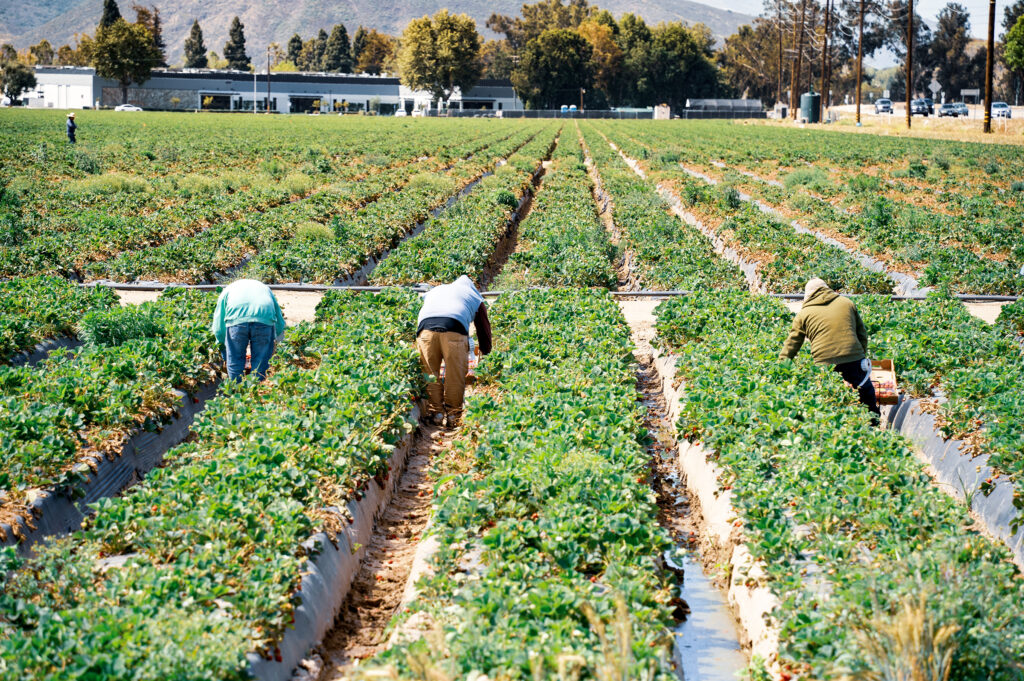
The employment of undocumented workers remains a complex and contentious issue in economies worldwide. These individuals, often seeking better opportunities, fill essential roles in industries such as agriculture, construction, and hospitality.
While their labor contributes significantly to economic output, their presence raises legal, ethical, and social concerns. Employers may face penalties for hiring undocumented workers, yet enforcement varies widely.
At the same time, debates continue over immigration policy, worker protections, and the balance between economic needs and border security. Understanding the realities behind this phenomenon is crucial for shaping fair and effective labor and immigration systems.
 How many agricultural workers in the us are undocumented
Understanding the Employment of Undocumented Workers in the U.S. Economy
The employment of undocumented workers is a complex and often controversial topic that touches on labor markets, immigration policy, economic contributions, and legal compliance. Millions of undocumented immigrants are part of the U.S. workforce, primarily in sectors such as agriculture, construction, hospitality, and food services.
While these individuals often fill labor shortages and contribute significantly to key industries, their undocumented status presents legal and ethical challenges for employers and policymakers. Federal law prohibits knowingly hiring individuals unauthorized to work in the United States, yet enforcement remains inconsistent.
As debates continue over immigration reform and workforce needs, the presence of undocumented workers underscores broader conversations about economic integration, labor rights, and national identity.
Legal Framework and Employer Responsibilities
Employers in the United States are required by law to verify the identity and work eligibility of all employees through the I-9 Employment Eligibility Verification process, as mandated by the Immigration Reform and Control Act (IRCA) of 1986. It is illegal for employers to knowingly hire or continue to employ individuals who are not authorized to work in the country.
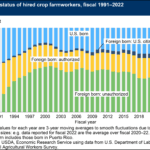 How many undocumented farm workers
However, some employers exploit the vulnerabilities of undocumented workers by offering under-the-table wages, denying benefits, or subjecting them to unsafe working conditions, knowing that these workers are less likely to report violations due to fear of deportation.
Additionally, the federal government conducts I-9 audits and workplace raids, though the frequency and scope of enforcement vary depending on administration priorities. This patchwork enforcement creates an uneven playing field, where compliant businesses may face disadvantages compared to those who hire undocumented labor at lower costs.
Economic Contributions and Labor Market Impact
Undocumented workers make substantial contributions to the U.S. economy by participating in both formal and informal labor markets. They often take on jobs that are physically demanding, low-wage, and difficult to fill, particularly in industries like agriculture, landscaping, and meat processing.
Studies have shown that undocumented labor helps sustain these sectors by providing a reliable and flexible workforce. Moreover, despite their legal status, many undocumented workers pay sales taxes, property taxes (through rent), and even Social Security and Medicare taxes using falsified or borrowed identification numbers—contributions that bolster public funds without entitling them to most benefits.
 How many undocumented immigrants are essential workers
Overall, economists generally agree that undocumented workers do not significantly displace native-born workers but instead complement the labor force by taking jobs that others are less willing to perform, thereby supporting economic productivity and consumer affordability.
Challenges Faced by Undocumented Workers
Undocumented workers frequently face significant challenges, including exploitation, wage theft, limited access to legal protections, and fear of deportation. Due to their immigration status, many are reluctant to report workplace violations such as unpaid wages, denial of overtime, or unsafe conditions, allowing employers to violate labor laws with little consequence.
They are typically excluded from unemployment insurance, workers' compensation, and other social safety nets. Language barriers, lack of legal representation, and isolation within communities exacerbate their vulnerability.
Furthermore, the constant threat of immigration enforcement actions creates psychological stress and disrupts family and work life. These systemic issues underscore the need for comprehensive immigration reform that includes pathways to legal status and stronger enforcement of labor protections for all workers, regardless of citizenship.
 How many undocumented workers
| Aspect | Impact on Employers | Impact on Undocumented Workers |
|---|---|---|
| Legal Compliance | Requires strict adherence to I-9 verification; risk of fines, audits, or criminal charges for non-compliance. | Fear of documentation checks leading to job loss or deportation; may be coerced into accepting poor terms. |
| Wages and Benefits | May reduce labor costs in the short term, but raises ethical and legal risks. | Often paid below minimum wage, denied overtime, health insurance, or paid leave. |
| Workplace Safety | Higher risk of OSHA violations due to lack of reporting by workers. | More likely to work in hazardous conditions without proper training or equipment. |
| Economic Contribution | Access to a low-cost, flexible labor force that supports operational efficiency. | Contribute billions in taxes annually despite ineligibility for most public benefits. |
| Enforcement Climate | Uncertainty due to shifting federal policies and increased ICE audits or raids. | Heightened anxiety and mobility restrictions; families may be separated. |
Frequently Asked Questions
What are the legal consequences for employers who hire undocumented workers?
Employers who knowingly hire undocumented workers can face serious penalties, including fines, criminal charges, and business closure. Under U.S. law, the Immigration and Nationality Act mandates strict compliance with employment verification (Form I-9).
First violations may result in fines per unauthorized employee, while repeat offenses increase penalties significantly. Government agencies like ICE conduct audits and worksite raids, leading to operational disruptions and reputational damage for non-compliant businesses.
Can undocumented workers file complaints against employers?
Yes, undocumented workers have the right to file complaints regarding workplace violations such as wage theft, unsafe conditions, or retaliation. Federal labor laws, including the Fair Labor Standards Act and OSHA regulations, protect all workers regardless of immigration status.
Agencies like OSHA and the Department of Labor do not report complainants to immigration authorities. However, fear of deportation often deters workers from asserting their rights, even when legally protected.
 How many undocumented workers are there in the united states
How does employing undocumented workers affect the economy?
The employment of undocumented workers has complex economic effects. These workers contribute through sales and property taxes and often fill labor shortages in sectors like agriculture, construction, and services.
However, widespread hiring without legal status can suppress wages and undermine workplace standards. Economists debate overall impacts, but many agree that comprehensive immigration reform would better align labor needs with legal protections and tax contributions.
What steps can employers take to ensure compliance with immigration laws?
Employers must verify identity and work eligibility using Form I-9 for every new hire. They should avoid discriminatory practices while ensuring all documents appear genuine and relate to the employee. Regular internal audits help detect errors early.
Participating in E-Verify, a free online program, strengthens compliance. Training HR staff on immigration rules and staying updated on legal changes also reduces risks of hiring unauthorized workers by mistake.
Leave a Reply