
Employment for undocumented workers

Undocumented workers play a significant yet often overlooked role in the U.S. economy, contributing to industries such as agriculture, construction, and hospitality.
Despite their labor, they face systemic barriers to legal employment, fair wages, and workplace protections. The absence of legal status leaves many vulnerable to exploitation, deportation, and limited access to essential services.
Policies surrounding immigration and work authorization remain highly contentious, creating uncertainty for both workers and employers. Addressing the challenges faced by undocumented workers requires a balanced approach that considers economic realities, human rights, and comprehensive immigration reform to build a more just and inclusive labor system.
 Employment of undocumented workers
Employment Opportunities and Challenges for Undocumented Workers in the United States
Undocumented workers in the United States face a complex landscape when it comes to employment, navigating a system that often marginalizes their contributions while simultaneously relying on their labor.
Despite their lack of legal immigration status, millions of undocumented individuals are part of the U.S. workforce, particularly in sectors such as agriculture, construction, hospitality, and domestic services. Their unauthorized status limits access to formal labor protections, fair wages, and safe working environments, making them vulnerable to exploitation, wage theft, and unsafe conditions.
Additionally, they are excluded from federal employment benefits, including unemployment insurance, Social Security, and workers’ compensation. Fear of deportation discourages many from reporting abuses, further entrenching cycles of exploitation.
Although some local and state policies offer limited protections or pathways to work permits, the federal framework remains largely exclusionary. Nonetheless, these workers play a critical role in the U.S. economy, underscoring the contradiction between economic dependence and legal exclusion.
 How do undocumented workers help the economy
Legal Barriers to Formal Employment for Undocumented Workers
Undocumented workers are generally prohibited from working legally in the United States because they lack authorization from U.S. Citizenship and Immigration Services (USCIS). To obtain lawful employment, individuals must provide valid documentation such as a Social Security number and proof of work eligibility, which undocumented people typically cannot produce.
Employers who knowingly hire unauthorized workers face civil and criminal penalties, including fines and potential loss of business licenses. The Immigration Reform and Control Act (IRCA) of 1986 made it illegal to hire individuals not authorized to work, while also requiring employers to verify identity and work eligibility through Form I-9.
Although some undocumented workers use falsified or borrowed documents to gain employment, doing so exposes them to risks of detection, termination, and deportation. These legal barriers not only restrict access to formal jobs but also perpetuate reliance on cash-based, informal labor markets where employers are less accountable.
Economic Contributions of Undocumented Workers
Despite their marginalized legal status, undocumented workers make substantial contributions to the U.S. economy. They fill essential roles in industries with labor shortages and often take on jobs that native-born workers are less likely to pursue due to low pay or difficult working conditions.
 How do undocumented workers pay into taxes
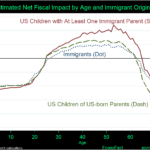
According to research by the Institute on Taxation and Economic Policy, undocumented immigrants contributed an estimated $26.8 billion in federal taxes and $9 billion in state and local taxes in 2022, even though many do not qualify for corresponding benefits. They contribute to Social Security through payroll taxes—often without being able to claim benefits due to invalid Social Security numbers.
Their labor supports key sectors such as farming, food service, and caregiving, helping sustain local economies and reduce consumer prices. Recognizing their economic impact, some economists argue that creating a pathway to legal work status would increase tax revenues, improve working conditions, and enhance overall economic productivity.
Worker Protections and Advocacy Efforts
Although undocumented workers lack access to many federal labor protections, they are still entitled to certain rights under U.S. law, including the right to safe working conditions, minimum wage, and protection from workplace discrimination.
The Fair Labor Standards Act (FLSA), Occupational Safety and Health Act (OSHA), and anti-discrimination laws enforced by the Equal Employment Opportunity Commission (EEOC) apply regardless of immigration status.
However, enforcement remains weak due to fear of retaliation or deportation, which prevents many from coming forward. Advocacy groups and worker centers play a vital role in educating undocumented workers about their rights, offering legal support, and organizing campaigns for fair treatment.
In some states and cities, local laws provide additional safeguards—for instance, allowing workers to file wage theft claims without fear of immigration enforcement. Expanding access to legal representation and strengthening collaboration between labor agencies and immigrant communities are critical steps toward ensuring equitable treatment.
| Aspect | Description | Relevant Law/Policy |
|---|---|---|
| Work Authorization | Undocumented individuals lack legal permission to work in the U.S., limiting access to formal employment. | Immigration Reform and Control Act (IRCA) of 1986 |
| Tax Contributions | Millions pay federal, state, and local taxes using Individual Taxpayer Identification Numbers (ITINs). | Internal Revenue Code; IRS ITIN Program |
| Labor Rights | Entitled to minimum wage, safe workplaces, and freedom from discrimination, regardless of status. | Fair Labor Standards Act (FLSA), OSHA, EEOC Guidelines |
| Protections from Exploitation | Can file complaints for wage theft or unsafe conditions without mandatory immigration status checks. | Department of Labor Whistleblower Protections |
| Local Initiatives | Some cities offer worker protection laws and legal defense funds for immigrant workers. | Local Ordinances (e.g., NYC Right to Counsel for Workers) |
Challenges and Realities of Employment for Undocumented Workers in the U.S.
Undocumented workers in the United States face a complex web of legal, economic, and social challenges that shape their experiences in the labor market. Despite their significant contributions to industries such as agriculture, construction, hospitality, and domestic services, these individuals operate in a state of constant vulnerability due to their immigration status.
Without legal authorization, they are often excluded from labor protections, minimum wage enforcement, and safe working conditions, making them prime targets for exploitation and wage theft. Fear of deportation discourages many from reporting abusive employers or demanding fair treatment, trapping them in cycles of economic marginalization.
Moreover, the lack of access to formal identification and Social Security numbers forces many into the underground economy, where cash-based jobs offer no benefits or job security. As policy debates continue over immigration reform and workplace rights, the reality remains that millions of undocumented laborers remain essential yet invisible cogs in the American economy.
Legal Barriers to Formal Employment
Undocumented workers are systematically excluded from legal employment in the formal economy due to the absence of U.S. work authorization.
Federal law requires all employees to verify identity and eligibility through forms like the I-9, a process that undocumented individuals cannot complete honestly without risking detection.
This creates a Catch-22: while many employers knowingly or unknowingly hire undocumented laborers, these workers must use falsified documents, placing them in a precarious legal position.
As a result, they are denied access to employment-based benefits, union protections, and governmental oversight, reinforcing their marginalization in the workforce. Even when contributing to social security through payroll taxes, they are often ineligible to claim future benefits, creating a one-sided economic contribution.
Exploitation and Workplace Vulnerabilities
Because of their unauthorized status, undocumented workers are frequently targets of labor abuse and exploitation. Employers may withhold wages, impose unsafe working conditions, or demand excessive hours without overtime compensation, knowing that employees are unlikely to report violations.
The fear of deportation and family separation discourages many from seeking help from labor boards or legal authorities. This atmosphere of intimidation and silence enables systemic wage theft and undermines fair labor standards across entire industries.
In some cases, workers face threats or retaliation simply for inquiring about their rights, reinforcing a culture of power imbalance that benefits unscrupulous employers while eroding workplace integrity.
Role of Undocumented Labor in Key Industries
Several sectors of the U.S. economy rely heavily on the undocumented workforce, particularly in labor-intensive fields where native-born workers are less likely to take jobs under prevailing wages or conditions.
In agriculture, for example, a significant portion of farm labor is performed by undocumented immigrants, ensuring the availability of affordable produce. Similarly, the construction and hospitality sectors frequently employ undocumented individuals in roles ranging from cleaners to kitchen staff to manual laborers.
These contributions are economically vital, helping sustain local economies, support small businesses, and maintain service levels. Despite their critical role, these workers remain largely invisible in policy discussions and are rarely acknowledged for their direct impact on national productivity.
Access to Labor Protections and Unionization Efforts
While undocumented status limits formal rights, U.S. labor laws such as the National Labor Relations Act (NLRA) technically protect all workers, regardless of immigration status, from retaliation for organizing or forming unions.
However, in practice, many undocumented workers are unaware of these protections or too afraid to assert them. Grassroots organizations and labor advocates have made strides in empowering migrant worker coalitions, helping them pursue grievances through legal channels or public campaigns.
Still, barriers to unionization remain high due to language differences, lack of legal resources, and employer intimidation. Expanding access to legal aid and worker education is essential to enabling these laborers to claim their rights and participate in broader labor movements.
Various policy initiatives have aimed to address the status of undocumented workers, including proposals for a pathway to citizenship, temporary work visas, or broader immigration reform.
Programs like the proposed Dream Act or expansions of DACA seek to protect certain vulnerable populations, but comprehensive solutions for the broader undocumented labor force remain stalled.
Some advocates support guest worker programs that provide legal employment status while addressing labor shortages, though critics argue these can create dependency and new forms of exploitation.
A more inclusive immigration policy framework could reduce underground employment, increase tax revenues, and ensure that all workers, regardless of status, are treated with dignity and fairness in the labor market.
Frequently Asked Questions
Can undocumented workers legally work in the United States?
No, undocumented workers cannot legally work in the United States. U.S. law requires all employees to be authorized to work, and employers must verify eligibility through Form I-9.
Hiring undocumented workers is illegal and can result in penalties for both the worker and employer. While some individuals work without authorization, they lack legal protections and face risks such as deportation and exploitation in the workplace.
What jobs do undocumented workers typically have?
Undocumented workers often work in industries like agriculture, construction, landscaping, hospitality, and domestic services. These jobs may rely on cash payments or informal hiring, making them more accessible to those without legal status.
Although these roles are essential to the economy, undocumented workers in such positions may face low wages, unsafe conditions, and limited access to labor protections due to fear of deportation.
Can undocumented workers report workplace abuse or unsafe conditions?
Yes, undocumented workers have the right to report unsafe working conditions, wage theft, and abuse under U.S. labor laws, regardless of immigration status.
Agencies like OSHA and the Department of Labor protect worker rights confidentially. Fear of deportation often prevents reporting, but these agencies typically do not share information with immigration enforcement. Workers are encouraged to seek help from legal aid groups or worker centers.
Do undocumented workers pay taxes in the U.S.?
Yes, many undocumented workers pay federal, state, and local taxes, including sales tax, property tax (directly or through rent), and income tax.
Some use an Individual Taxpayer Identification Number (ITIN) to file returns. The IRS collects billions in taxes from undocumented workers annually, though they often cannot claim certain benefits like Social Security. Paying taxes helps support public services and demonstrates economic contribution.
Leave a Reply