
Can undocumented workers pay taxes
Undocumented workers contribute to the U.S. economy in numerous ways, including through the payment of taxes. Despite their immigration status, many pay federal, state, and local taxes, often using Individual Taxpayer Identification Numbers (ITINs) or other methods.
Millions file tax returns annually, contributing billions to Social Security, Medicare, and public services they may never personally access. This raises important questions about economic participation, fairness, and tax policy.
While federal law requires tax compliance regardless of immigration status, misconceptions persist about undocumented workers’ fiscal impact. Exploring who pays, how much, and what they receive in return reveals a complex reality often overlooked in public debate.
 Do immigrant workers pay taxes
Can Undocumented Workers Pay Taxes?
Yes, undocumented workers in the United States can and often do pay taxes, despite their immigration status. Many contribute to federal, state, and local tax systems through income, payroll, sales, and property taxes—either directly or indirectly.
A significant number obtain an Individual Taxpayer Identification Number (ITIN) from the Internal Revenue Service (IRS) to fulfill their tax obligations legally. The IRS allows individuals without Social Security numbers, including undocumented immigrants, to use an ITIN to file tax returns.
These workers pay billions of dollars annually into the U.S. tax system, including substantial contributions to Social Security and Medicare, even though most are ineligible to receive benefits from these programs. Their tax contributions support public services and infrastructure, highlighting their economic role in American society.
How Do Undocumented Workers File Taxes?
Undocumented workers can file taxes using an Individual Taxpayer Identification Number (ITIN), which the IRS issues regardless of immigration status. To obtain an ITIN, individuals must complete Form W-7 and submit required identification documents. Once issued, an ITIN allows them to file federal tax returns and report income accurately.
 Do illegal immigrant workers pay taxes
Many undocumented workers file taxes to comply with legal obligations, build a record of residency, claim refundable tax credits—such as the Child Tax Credit if they have qualifying dependents with Social Security numbers—or increase their chances of future immigration relief.
Although ITINs do not authorize work or confer legal immigration status, they are a key tool that enables undocumented individuals to participate in the formal tax system and demonstrate financial responsibility.
What Types of Taxes Do Undocumented Workers Pay?
Undocumented workers contribute to multiple layers of taxation, including federal income tax, state income tax, payroll taxes (such as Social Security and Medicare), sales tax, and property tax—either directly through rent payments or embedded in consumer prices.
When employers withhold payroll taxes from undocumented workers' wages, these funds go into the U.S. Treasury, but most of these workers cannot access Social Security or Medicare benefits later due to their lack of valid work authorization.
 Do undocumented workers pay social security
Still, the Social Security Administration’s Earnings Suspense File holds billions of dollars in untaxed earnings attributed to mismatched Social Security numbers, much of which stems from undocumented workers. These tax contributions underscore the significant fiscal impact of undocumented individuals on local and national economies.
Do Undocumented Workers Receive Tax Refunds or Benefits?
Undocumented workers who file taxes using an ITIN are generally not eligible for most federal tax benefits tied to work authorization, such as the Earned Income Tax Credit (EITC), unless they meet specific criteria.
However, if an undocumented worker has children who are U.S. citizens or legal residents with valid Social Security numbers, they may qualify to claim the Child Tax Credit (CTC) on their return. In such cases, the worker could receive a partial refund, especially if the credit exceeds their tax liability.
While they do not benefit from programs like Social Security or unemployment insurance that their payroll taxes support, this limited access to refunds helps low-income families and reflects the complex intersection of tax law and immigration policy.
| Tax Type | Paid by Undocumented Workers? | Eligibility for Benefits | Key Notes |
|---|---|---|---|
| Federal Income Tax | Yes (via ITIN) | No major benefits | Workers may claim Child Tax Credit if dependents have SSNs |
| Social Security & Medicare (FICA) | Yes (often withheld) | Generally no | Over $13 billion annually contributed to Social Security in suspense accounts |
| Sales Tax | Yes | N/A | Applies to everyday purchases (food, clothing, services) |
| Property Tax | Indirectly (via rent) | N/A | Landlords pass property taxes to tenants through rent |
| State Income Tax | Yes (in most states) | No | Varies by state; some allow ITIN filers to comply |
Undocumented Workers and Their Role in the U.S. Tax System
It is a common misconception that undocumented workers do not contribute to the U.S. tax system, but in reality, millions of undocumented immigrants pay federal, state, and local taxes each year. Many use an Individual Taxpayer Identification Number (ITIN) to file tax returns, even though they are not eligible for a Social Security number.
The Internal Revenue Service (IRS) accepts tax filings from individuals with ITINs, and as a result, undocumented workers contribute billions of dollars annually to programs like Medicare and Social Security, although they are generally not eligible to receive benefits from them.
These tax contributions support public services such as infrastructure, education, and emergency services, demonstrating that undocumented workers play a substantial and often overlooked role in strengthening the U.S. economy.
How Undocumented Workers File Taxes Using an ITIN
Undocumented workers can file federal taxes using an Individual Taxpayer Identification Number (ITIN), which the IRS issues to individuals who are not eligible for a Social Security number but have tax-filing obligations. The ITIN allows them to report income and pay applicable taxes, even without legal immigration status.
Taxpayers apply for an ITIN by submitting Form W-7 along with their tax return and required documentation. Millions of ITINs are issued each year, showing that compliance with tax laws extends across immigration statuses, reinforcing the fact that many undocumented individuals actively engage in the formal tax system.
Yes, undocumented immigrants often pay payroll taxes, including Social Security and Medicare, through employer withholdings.
Because many work using either an ITIN or a fraudulent Social Security number, their contributions are deposited into the system under names that do not match official records. This creates what is known as the Social Security Earnings Suspense File, where billions of dollars in contributions cannot be correctly credited.
Despite contributing, undocumented workers are generally ineligible to collect Social Security retirement benefits or Medicare, making their payments a net gain for the programs' financial sustainability.
The Impact of Undocumented Workers on State and Local Taxes
Undocumented workers contribute significantly to state and local tax revenues through sales taxes, property taxes (directly or via rent), and, in some states, income taxes. Several states, including California, New York, and Illinois, allow ITIN filers to pay state income taxes, increasing funding for public services.
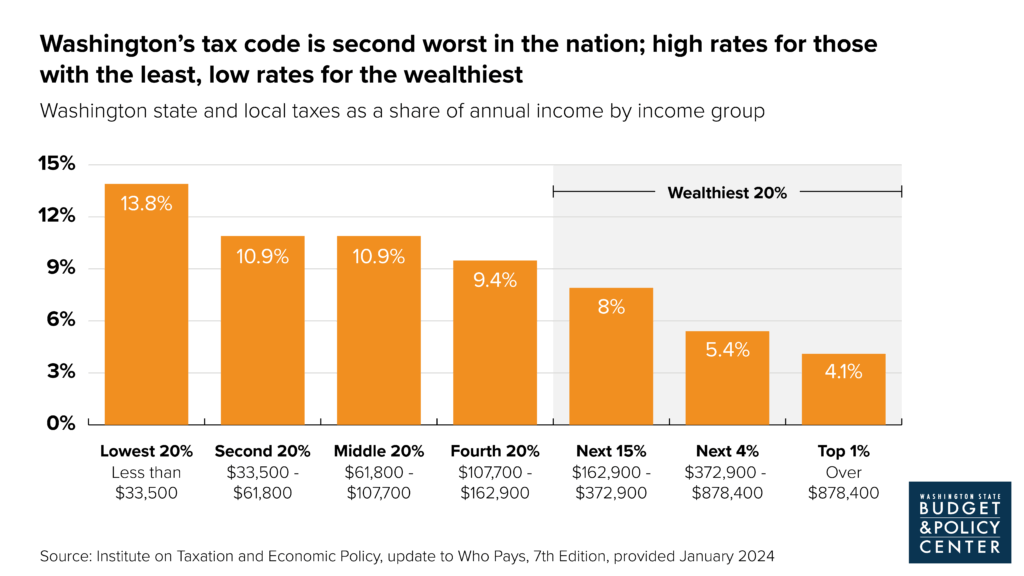
According to studies by the Institute on Taxation and Economic Policy (ITEP), undocumented households pay an estimated $27 billion annually in state and local taxes. These funds support schools, roads, and public safety, highlighting the broader fiscal impact of undocumented workers beyond the federal level.
Federal Tax Compliance Among Undocumented Households
Research indicates that a substantial portion of undocumented households comply with federal tax laws, particularly when they have mixed-status families or wish to claim certain tax benefits. The IRS does not share immigration information with enforcement agencies, which encourages truthful tax reporting.
Moreover, undocumented workers may claim the Child Tax Credit (CTC) or the Additional Child Tax Credit if they have qualifying children with Social Security numbers. This compliance demonstrates a commitment to tax responsibilities and reflects the integration of undocumented workers into the legal economic framework of the United States.
Economic and Policy Implications of Tax Contributions by Undocumented Workers
The tax payments made by undocumented workers have significant economic implications, effectively subsidizing public programs and enhancing tax revenue without corresponding benefit access. These contributions improve the fiscal outlook for entitlement programs such as Social Security, which face long-term funding challenges.
From a policy perspective, the current system raises questions about fairness and inclusion, as workers who pay into the system are barred from receiving benefits. Recognizing these contributions could inform future immigration and tax reforms aimed at creating a more equitable and transparent system.
Frequently Asked Questions
Can undocumented workers legally pay taxes in the United States?
Yes, undocumented workers can legally pay taxes in the United States. The IRS allows individuals without Social Security numbers to apply for an Individual Taxpayer Identification Number (ITIN) to fulfill tax obligations. Paying taxes does not grant legal status, but it supports public services and establishes a record of contributions. Many undocumented immigrants file taxes annually using an ITIN to comply with federal tax laws.
No, undocumented workers who pay Social Security taxes typically do not receive benefits such as retirement or disability payments. Their contributions go into the system, often creating surplus funds, but eligibility for benefits requires lawful immigration status and qualifying work credits. Despite ineligibility, paying payroll taxes helps support the overall Social Security program, benefiting current and future eligible recipients.
Undocumented workers can file taxes using an Individual Taxpayer Identification Number (ITIN) issued by the IRS. To apply, they must submit Form W-7 along with required documentation, such as a passport. Once approved, the ITIN allows them to file federal tax returns and report income. Many use this method annually to meet tax obligations, even without legal work authorization or a Social Security number.
Why do undocumented workers choose to pay U.S. taxes?
Undocumented workers often pay U.S. taxes to contribute to society, maintain financial records, and demonstrate compliance. Paying taxes can support future immigration applications, such as those based on good moral character. It also helps fund public services and may improve credibility with authorities. Many view it as a civic responsibility, regardless of immigration status, and use an ITIN to file returns accurately.
Leave a Reply